

Marketing automation software has transformed the way businesses approach their marketing strategies. These tools allow you to streamline tasks and create personalized campaigns across multiple channels. By automating repetitive tasks, businesses can focus on creating content that truly engages their audience.

Choosing the right marketing automation software can significantly boost your marketing efforts and drive better results. There are many options available, each with unique features and benefits. Some platforms are user-friendly, like HubSpot, which is praised for its ease of use and deep analytics capabilities. Others, such as Act-On, offer powerful automation beyond regular email marketing, making it a valuable asset for sales and marketing teams.
Comparing the leading marketing automation platforms reveals both similarities and differences. Some platforms focus more on user engagement across various messaging channels, like Iterable, which supports diverse marketing campaigns for B2C markets. Looking into these differences helps you choose the best tool for your unique needs.
Key Takeaways
- Automation tools enhance marketing efficiency and engagement.
- Picking the right tool is crucial for marketing success.
- Understanding each platform’s features is key for selection.
Understanding Marketing Automation
Marketing automation helps you manage marketing tasks more efficiently. By using software, you can automate repetitive actions, target specific audiences, and personalize messaging. This not only saves time but enhances engagement with your audience.
Defining Marketing Automation
Marketing automation uses software to automate repetitive marketing tasks. It’s like having a digital assistant that helps you send emails, post on social media, and track user behavior. This software streamlines work, making complex campaigns easier to handle. With the right tools, you can segment your audience based on their actions and interests. This means you can send targeted messages at the right time. This approach aims to improve customer relationships and increase the effectiveness of your campaigns.
Benefits of Automation in Marketing
Automation in marketing offers several key advantages. It helps you save time by handling routine tasks, allowing you to focus on strategy and creativity. With marketing automation, you can deliver highly targeted messages to the right audience, improving customer engagement and increasing conversion rates. You also gain valuable insights through detailed analytics, helping you measure the success of campaigns. Additionally, it ensures consistent communication with your audience, ensuring no potential lead falls through the cracks.
Key Components of Marketing Automation Software
Marketing automation software includes several core components, making it a robust tool. Email marketing is a primary feature, allowing automated, targeted messaging. Lead management helps track interactions and nurture prospects through the sales funnel. Analytics and reporting offer insights into campaign performance, highlighting what works and what doesn’t. Social media automation schedules posts and monitors engagement, enabling you to manage multiple platforms efficiently. Customer segmentation divides your audience based on specific criteria, ensuring personalized communication. By incorporating these features, marketing automation software assists you in creating more efficient and impactful marketing strategies.
Core Features of Marketing Automation Tools
Marketing automation tools help streamline marketing efforts by integrating essential features that enhance efficiency and effectiveness. These tools cover diverse functions including email marketing, lead generation, segmentation, and comprehensive campaign management.
Email Marketing Capabilities
Email marketing is a central feature of many marketing automation tools. You can create personalized email campaigns with templates and scheduling options. A core element is automation, which allows you to send emails based on user actions or set timelines. This ensures that your messaging is timely and relevant.
These tools often include options for A/B testing to see which emails perform best. This helps you refine your strategies for better engagement and conversion. Tools usually support integration with other platforms to manage and track contacts efficiently.
Lead Generation and Management
Lead generation is crucial for building your client base, and marketing automation tools excel in this area. They offer features to capture leads from various channels like websites, social media, and webinars. Once collected, leads are organized in a central database.
Management involves nurturing these leads through targeted content and communicating via automated sequences. You can create customized workflows to guide leads through the sales funnel, ensuring they receive the right information at each stage. This helps in increasing conversion rates and customer retention.
Segmentation and Personalization
Segmentation is about grouping your audience based on criteria like behavior, demographics, or past interactions. This allows you to target messages more effectively. Marketing automation tools offer advanced capabilities to sort and filter your contacts.
Personalization goes hand in hand with segmentation, enabling you to tailor content to individual preferences. By customizing communication, you can significantly improve engagement and foster a stronger connection with your audience. Automation tools support dynamic content and personalized recommendations.
Campaign Management and Scheduling
Running multiple campaigns can be overwhelming, but marketing automation tools simplify this process. They provide a centralized platform to design, launch, and monitor campaigns across different channels. You can ensure that your messaging aligns with your brand’s voice and objectives.
Scheduling is another key feature, allowing you to plan campaigns in advance. This ensures timely delivery, leveraging optimal exposure times. By scheduling, you can maintain consistent communication with your audience, which is vital for keeping them engaged and informed.
Workflows and Customer Journeys
Workflows help map out the journey your customers take from awareness to conversion. Automation tools enable you to design complex workflows that automate repetitive tasks and trigger actions based on user behavior. This tailored approach ensures that customers receive relevant content and nudges at each stage.
By visualizing customer journeys, you can identify potential drop-off points and areas needing improvement. This insight helps optimize the customer experience and streamline processes, leading to better engagement and satisfaction.
Reporting and Analytics Insights
Data is invaluable in assessing the effectiveness of marketing efforts. Marketing automation tools offer robust reporting and analytics features. You can track key metrics like open rates, click-through rates, and conversion rates, allowing you to measure the success of your campaigns.
These insights are crucial for making informed decisions and optimizing future strategies. With detailed performance reports, you can identify trends and areas for improvement, ensuring that your marketing approach remains data-driven and results-oriented.
Software Integration and Ecosystem
Marketing automation software greatly benefits from seamless integration capabilities. Efficient CRM integration is key in managing customer relationships, while robust third-party integrations broaden the software’s usefulness and connectivity to other tools.
CRM Integration and Management
Integrating marketing automation software with Customer Relationship Management (CRM) systems is crucial for effective lead management. Many platforms, like Hubspot, offer this integration, providing a unified view of customer interactions. This connection ensures that you can track leads from initial contact through to conversion, aligning sales and marketing efforts.
CRM integration facilitates streamlined data sharing, reducing errors and improving efficiency. You gain valuable insights into customer behavior, which helps in tailoring marketing strategies to meet customer needs. Automated tasks such as lead scoring and nurturing also improve, enhancing the overall customer experience.
Third-Party Integrations and Ecosystem
Third-party integrations expand the capabilities of marketing automation tools by connecting them with other essential business applications. Many platforms support connections with ERP systems, email marketing tools, and analytics software, creating a more comprehensive data ecosystem.
An extensive integrations list allows for flexibility and customization, letting you choose the best tools to meet your needs. For instance, integrating with platforms like Salesforce enables deeper analytics and reporting features, which are crucial in evaluating marketing performance. By connecting multiple software solutions in this way, you enhance collaboration across departments and ensure that all teams have access to consistent, up-to-date information.
Comparison of Leading Marketing Automation Platforms
Understanding the strengths and features of different marketing automation platforms can help you choose the best fit for your needs. Assessing aspects like user interface, integration capabilities, and pricing models are crucial in making an informed decision.
HubSpot Marketing Hub Review
HubSpot Marketing Hub is known for its user-friendly interface and comprehensive features. It integrates seamlessly with other HubSpot tools, making it ideal for those already using the platform. You can benefit from its email marketing, social media, and analytics features. HubSpot offers a free tier, which is great if you’re beginning with limited budget. The software provides robust reporting tools but might seem pricey for extensive feature use.
GetResponse Versatility Analysis
GetResponse stands out for its versatile features, including email marketing, landing pages, and webinars. This makes it a good option for diverse marketing needs. You’ll find the drag-and-drop builder easy to use for email campaigns. GetResponse is budget-friendly, with different plans to suit various business sizes. However, users might encounter limitations with advanced automation options compared to more premium solutions.
Keap’s CRM and Marketing Automation
Keap, formerly Infusionsoft, combines CRM with marketing automation, offering a streamlined approach to customer management and communication. If you’re focused on small business needs, Keap is suitable because of its user-friendly design and ability to manage contacts. It includes sales pipeline and task automation features. Some users report that Keap’s learning curve is steeper, but the platform provides substantial support and training resources.
ActiveCampaign for Advanced Users
ActiveCampaign is a strong choice if you need advanced automation and CRM features. It excels in sophisticated email marketing and automation capabilities, letting you create detailed and personalized customer journeys. Advanced users appreciate its robust A/B testing and reporting options. While its features are comprehensive, some might find the initial setup complex without prior automation experience.
Marketo’s Enterprise-Level Solutions
Marketo specializes in enterprise-level marketing automation, offering advanced features like lead management and account-based marketing. This platform integrates well with CRM tools like Salesforce, making it suitable for large businesses. Marketo offers detailed analytics and robust automation, but with a steeper price, it might not be practical for smaller businesses.
Pardot for B2B Marketing
Pardot, a Salesforce product, focuses on B2B marketing automation. It’s excellent for companies already using Salesforce due to seamless integration. Pardot offers strong lead generation and nurturing capabilities. Its reporting and ROI tracking are particularly beneficial in B2B sales cycles. While powerful, Pardot’s pricing and complexity may be a hurdle for some smaller or less tech-savvy teams.
Comparing Mailchimp and Constant Contact
Mailchimp and Constant Contact are well-known for their email marketing features but with notable differences. Mailchimp offers a free plan with basic features and is good for startups. It includes audience segmentation, A/B testing, and basic automation. Constant Contact provides a user-friendly experience with additional support, such as event management tools. It’s a great choice if personal support is a priority. Though both are similar, they serve different user needs based on features and budget.
Advanced Features and Innovations
Marketing automation software has evolved to include sophisticated tools that enhance campaign effectiveness. Artificial intelligence, machine learning, and multichannel marketing are driving advanced features, while user-friendly interfaces ensure accessibility.
AI and Machine Learning in Marketing
AI and machine learning are transforming how businesses approach marketing. Predictive analytics help you anticipate customer behavior and tailor marketing efforts accordingly. By using data from customer interactions, AI can improve targeting in campaigns and personalize content for your audience.
Automated tools enable efficient a/b testing, optimizing campaign performance by determining which elements resonate best with your audience. This ensures that your strategies are data-driven and effective.
E-commerce and Multichannel Marketing
Seamless integration with e-commerce platforms allows for effective management of customer interactions across different channels. With multichannel marketing, you can reach your audience through email, social media, and more, ensuring consistent messaging. Marketing automation platforms streamline this process, making it easy for you to create cohesive campaigns.
Omnichannel marketing takes this a step further by providing a unified experience across all touchpoints. This ensures a more personalized and engaging customer journey, leading to better retention and sales growth.
Analyzing User-Friendly Interface Design
A user-friendly interface is crucial in marketing automation software. It simplifies complex tasks, making them accessible to marketers of all skill levels. Intuitive dashboards and clear navigation allow you to focus on strategy rather than technical details.
Visual workflows help you design and automate campaigns, providing a clear overview of processes and performance metrics. This transparency aids in quick decision-making and strategy adjustments.
Leveraging Customer Data
Utilizing customer data effectively can transform your marketing efforts by improving how you engage with your audience. It helps to refine customer profiles, enhance segmentation, and boost campaign effectiveness.
Customer Segmentation and Profiling
Creating detailed customer segments is crucial for targeted marketing. By analyzing data, you can divide your customers into groups based on shared characteristics like age, location, or buying behavior. This helps in crafting personalized messages that resonate with each group.
With better customer segmentation, your campaigns can focus on specific needs, leading to improved customer support and higher engagement.
Building comprehensive customer profiles aids in understanding personas deeply, allowing for more impactful marketing strategies and better allocation of resources.
Creating Effective Customer Journeys
A customer journey involves all interactions a user has with your brand, from awareness to purchase and beyond. Data helps map these journeys to understand every touchpoint.
By leveraging insights from tools like customer data platforms, you ensure each interaction is meaningful. This approach enhances customer engagement and increases the chances of conversion.
Tailoring the journey based on unique customer preferences can boost lead scoring accuracy, providing your sales team with more qualified leads and improving customer experience overall.
Email Personalization and Campaign Optimization
Personalized emails can significantly elevate your marketing campaigns. By tapping into customer data, you can craft emails that address specific interests and behaviors. This personalized approach leads to higher open rates and customer satisfaction.
Effective email marketing features include automation that triggers emails based on user actions, ensuring timely and relevant communication.
By analyzing campaign performance data, you can continually optimize your email strategies, ensuring they align with customer expectations and contribute positively to your contact management efforts.
User Experience and Accessibility
New advancements in marketing automation software make it easier for users to create campaigns. Features like drag-and-drop editors and landing page builders streamline the process.
Additionally, SMS and social media campaign capabilities allow versatile communication strategies.
Ease of Use: Drag-and-Drop Editors and Templates
Simple drag-and-drop editors help users design campaigns without needing technical skills. These editors allow you to organize elements by dragging them into place.
Templates provide starting points for emails, forms, or landing pages, saving time.
Mailerlite offers intuitive drag-and-drop functionality. It simplifies the process, even for beginners.
This ease allows you to focus on strategy rather than technical details. The use of templates helps maintain consistency across campaigns, ensuring your branding remains strong.
Landing Page Builder Efficiency
Creating effective landing pages is critical for converting visitors. Many automation tools include landing page builders to help you design attractive pages quickly.
These tools allow you to add images, text, and forms to capture information from potential customers.
The efficiency of these builders means you can test different designs to see which performs best.
With Mailerlite, the process becomes seamless, enabling you to create polished, professional pages in minutes. This saves time and allows you to focus on analyzing results and optimizing campaigns.
SMS and Social Media Campaign Functionality
Communication through SMS and social media platforms is vital for reaching a broader audience. Many marketing automation platforms support these functions, helping you create and manage campaigns efficiently.
You’ll find features that allow easy scheduling and tracking of social media posts. SMS marketing helps send timely messages that engage your audience.
Combining these tools expands your reach and ensures messages are consistent across channels. This integration with tools like Mailerlite gives you the ability to manage campaigns in one place, enhancing both efficiency and impact.
Future Trends in Marketing Automation
In the rapidly changing digital world, marketing automation continues to evolve. Key trends are focused on predictive analytics, adaptation to new technologies, and the role of content. These advancements aim to enhance marketing strategy and streamline marketing campaign management.
Predictive Analytics and Market Forecasting
Predictive analytics is transforming how you can approach your marketing strategy. By using data-driven insights, these tools anticipate customer behaviors and preferences, allowing for more accurate market forecasting.
This approach helps in tailoring marketing campaigns to meet specific audience needs, maximizing engagement and conversions.
With advancements in AI and machine learning, predictive features are now embedded in leading marketing automation tools. You can automatically segment audiences and predict future trends, helping you stay ahead in the competitive marketplace.
Adaptation to New Technologies
Adapting to new technologies is essential for staying competitive. The integration of AI and machine learning into automation systems streamlines processes, such as lead scoring and personalized content delivery.
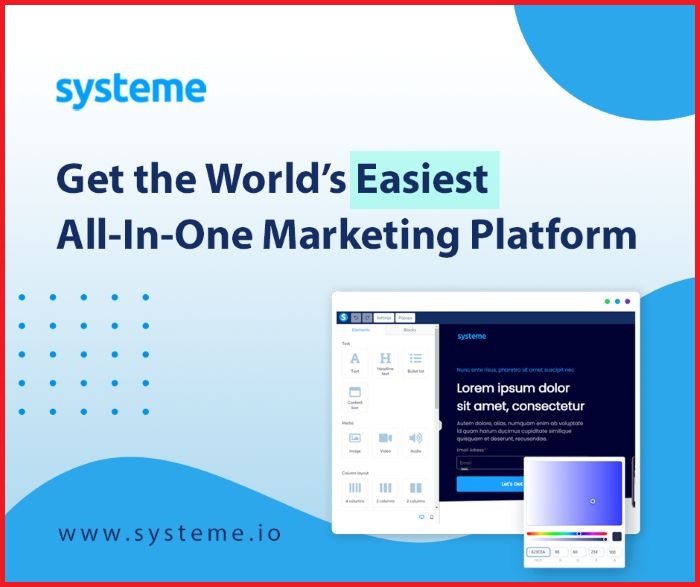
This integration is particularly beneficial for platforms like systeme.io, which focus on efficient and effective campaign management.
Automation tools now offer advanced features such as chatbots, voice search capabilities, and personalized user experiences. By utilizing these technologies, you can create more dynamic interactions with your audience, improving both engagement and customer satisfaction.
The Role of Content in Automation Strategies
Content plays a vital role in automation strategies by driving engagement and fostering community relationships. Automated systems can tailor content, making it more relevant to individual customers, which enhances the effectiveness of your marketing campaign management.
Additionally, automation tools assist in scheduling and distributing content across multiple platforms. This ensures consistent communication with your audience and increases brand visibility.
Developing a strong content strategy, supported by automation, empowers you to deliver compelling messages that resonate with your audience.
Frequently Asked Questions
When choosing marketing automation software, consider features, scalability, pros and cons, CRM integration, cost, and analytics. Here are some common questions users have.
What are the key features to look for in marketing automation software?
Look for features like email marketing, lead nurturing, and multi-channel campaign management. Tools such as Pardot provide CRM integration and ROI reporting. Each feature should align with your specific marketing needs.
How do different marketing automation platforms compare in terms of scalability?
Scalability varies across platforms. Solutions like Salesforce’s Pardot are ideal if you’re heavily invested in the Salesforce ecosystem, ensuring smooth expansion as your business grows. Think about both current needs and future growth when evaluating options.
What are the pros and cons of the top marketing automation tools currently available?
Platforms like HubSpot and Eloqua stand out for CRM integration and omnichannel marketing, respectively. Tools such as TikTok are noted for automating ad placement. Each platform comes with unique strengths and potential drawbacks based on the specific features and integrations provided.
How does marketing automation software integrate with existing CRM systems?
Integration is critical for seamless data flow. Many platforms, such as Pardot, offer tight integration with CRM systems like Salesforce. This ensures that all customer interactions are tracked and managed effectively across both platforms.
What is the average cost of implementing a marketing automation platform for a mid-sized business?
Costs can vary greatly depending on features and the number of users. Generally, expenses can range from a few hundred to several thousand dollars monthly. Consider additional costs such as setup fees, training, and support when budgeting.
Which marketing automation tools offer the best analytics and reporting features?
Analytics are key for measuring success. Platforms like Iterable and HubSpot provide robust analytics and reporting. Keep an eye on features like customizable reports, real-time data, and integration with other tools to track performance effectively.


