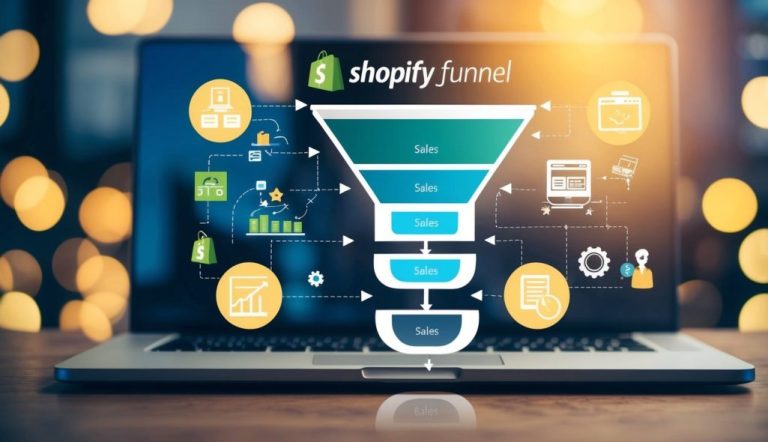
In the competitive world of sales, a streamlined process is crucial for success. A free sales funnel template can help you organize and manage your sales opportunities with ease. These templates often present a visual representation of the buying journey, making it easier to track and optimize each stage.

Many businesses focus on maximizing conversion rates and increasing revenue efficiently. With a sales funnel template, you can customize each stage to suit your specific business needs. Whether you’re a small business or a larger enterprise, these tools offer valuable insights and can be adapted for different sales strategies.
You don’t have to navigate the complex world of sales funnels on your own. With resources like customizable templates from trusted providers such as Salesflare and Canva, you have the tools to enhance your sales operations right at your fingertips.
Key Takeaways
- Free templates help simplify sales funnels.
- Customization enhances your sales funnel strategy.
- Resources are available for different business needs.
Understanding the Sales Funnel
A sales funnel is a model that illustrates the journey a customer takes from initial awareness to the final purchase. Each stage of the funnel plays a crucial role in guiding potential customers to become loyal clients.
The Importance of a Structured Sales Process
Having a structured sales process is vital for successfully leading potential customers through the funnel. It allows you to systematically engage with leads, track progress, and optimize strategies at each stage. A structured process helps ensure that no lead falls through the cracks, ultimately boosting conversion rates.
Benefits of a Structured Sales Process:
- Consistent customer experience
- Improved lead management
- Enhanced team efficiency
This approach provides a clear roadmap for both sales teams and prospects.
Fundamental Stages of a Sales Funnel
Sales funnels typically encompass several key stages: Awareness, Interest, Desire, and Action.

- Awareness: Potential customers first learn about your product or service. Effective marketing can enhance this stage.
- Interest: Prospects explore your offerings further. They seek information and compare options.
- Desire: This is where you nurture their interest, using content to showcase benefits and advantages.
- Action: Finally, prospects are ready to make a purchase decision.
Each stage requires targeted strategies to guide prospects forward.
B2B vs. B2C Sales Funnels
The structure of sales funnels can vary significantly between B2B and B2C models. B2B sales funnels often involve longer cycles and multiple decision-makers. The focus is on detailed information and building strong relationships. B2C funnels, however, tend to be shorter with more impulse-driven decisions.
Key Differences:
- B2B: Longer decision process, emphasis on relationships
- B2C: Faster decisions, emotional triggers
Understanding these distinctions is critical for tailoring your approach to different audiences.
Digital Marketing and Its Impact on the Sales Funnel
Digital marketing plays an essential role in expanding the reach and efficiency of your sales funnel. It offers tools and platforms to engage with audiences at every stage. Techniques like SEO, social media, and email marketing are instrumental in attracting and converting leads.
Strategies to Implement:
- Use SEO to boost awareness and attract potential customers
- Leverage social media for building interest and engagement
- Implement email campaigns to nurture desire and drive action
In today’s digital age, an integrated marketing approach is crucial for optimizing funnel performance.
Components of a High-Converting Sales Funnel
To create a high-converting sales funnel, it’s essential to focus on capturing leads, nurturing them, and converting them into customers. Using tools like CRM systems can enhance your effectiveness in managing these tasks.
Lead Generation Techniques
Effective lead generation is the first step in your sales funnel. You can use various methods to attract potential customers. Content marketing is a powerful strategy where you provide valuable information through blogs, videos, or eBooks to engage visitors. Social media marketing is another way to reach a broader audience by sharing engaging content that attracts interest.
Landing pages play a crucial role in converting traffic into leads. These pages should have clear calls-to-action and relevant information to capture visitor details. Offering a free resource like a webinar or downloadable guide can incentivize visitors to provide their contact information.
Lead Nurturing Strategies
Once you have leads, nurturing them is vital to turning potential customers into buyers. Regular email campaigns keep your brand in front of prospects and provide personalized content that addresses their needs or interests. Personalization in these communications can significantly increase engagement rates.
Implementing a drip campaign allows you to send a series of targeted messages over time, gradually leading prospects through the decision-making process. Educational content and customer testimonials can reinforce trust and lead to higher conversions.
Improving Conversion Rates
Improving conversion rates involves optimizing every stage of your funnel. Start by analyzing user behavior on your website to identify areas where visitors drop off. A/B testing different elements such as headlines, images, or button colors can reveal what works best.
Offer clear value propositions and eliminate any barriers to purchase, such as complicated checkout processes or lack of payment options. Use testimonials and reviews to build trust and encourage immediate action. Highlighting scarcity, like limited-time offers, can also drive quicker decisions.
The Role of Customer Relationship Management (CRM)
A CRM system is critical in managing interactions with leads and customers. It helps you track customer data and analyze the effectiveness of your funnel at each stage. With CRM, you can automate many aspects of your sales process, from sending follow-up emails to scheduling reminders for your sales team.
CRM systems provide insights into customer behavior and preferences, enabling you to tailor your communications and offers accordingly. This personalized approach leads to higher engagement and conversion rates, effectively turning initial leads into qualified leads and loyal customers.
Using a CRM also ensures that you sustain long-term relationships, even after the purchase, by providing continuous value and support.
Designing Your Sales Funnel Template
Designing a sales funnel template involves understanding key features, customizing it for your business, and applying best practices. These templates help streamline the sales process and improve efficiency. By focusing on layout, stages, and customization, you can create a funnel that meets your needs.
Key Features of Sales Funnel Templates
A well-designed sales funnel template includes clear stages to guide leads through the buying journey. Common stages are awareness, interest, decision, and action. Each stage should have specific goals and actions.
Visual elements like charts or graphs make it easier to follow. For instance, Canva’s templates provide visual aids that enhance clarity. Easy access to metrics is another essential feature, enabling you to track performance and make informed decisions.
A good template also allows for data tracking such as conversion rates and revenue. This data can help you adjust your strategy to improve results.
Customizing Templates for Your Sales Process
To customize your sales funnel template, first define your target audience and understand their needs. This helps in tailoring each stage of the funnel to meet those needs. Adjust the funnel’s stages based on your specific sales goals.
Use platforms like Salesflare to input customer data, customize stages, and manage leads efficiently. Add or remove stages based on your specific sales strategy.
Personalize templates by integrating your company’s branding elements such as colors and logos. Ensure that it reflects the unique aspects of your business. This makes your sales funnel more relatable to your potential customers.
Examples and Best Practices
Using well-established sales funnel templates can serve as useful starting points. A popular example is the Live Webinar Funnel, ideal for selling high-ticket products.
Best practices include regular updating of your sales funnel to keep it relevant. Monitor its effectiveness by reviewing metrics such as lead conversion and adjusting strategies as needed. A/B testing different elements can also help enhance performance.
Successful sales funnels are often simple yet effective, like the Fishbowl Funnel which uses a free offer to capture leads. Following such examples can inspire your own funnel design.
Tools and Resources
In today’s competitive business world, leveraging the right tools can streamline your sales process. Integrating CRM systems with sales funnels, utilizing effective sales pipeline and forecasting tools, and accessing free templates appear to be essential components for optimizing workflows.
CRM and Sales Funnel Integration
Integrating a robust Customer Relationship Management (CRM) system with your sales funnel can provide great benefits. It allows you to capture and organize customer data, helping you track every interaction. This integration ensures seamless communication across your team, enabling better understanding and engagement with potential leads.
For instance, platforms like Salesforce and HubSpot offer in-depth integrations that enhance visibility into customer activities. These systems give insights into where prospects are in the sales funnel and automate routine tasks, freeing up time for more important activities.
Sales Pipeline and Forecasting Tools
Efficient sales pipeline and forecasting tools help you project future sales and identify potential bottlenecks in your pipeline. Tools like Pipedrive and Zoho CRM provide you with the ability to create a comprehensive sales pipeline template. This helps in tracking deals as they progress through various stages.
Forecasting tools also enable you to predict sales outcomes by analyzing past performance and current data. By comparing actual sales with predictions, you can refine your strategies and make informed decisions.
Free Templates and Where to Find Them
Having access to free sales funnel templates can be a valuable asset for your business. These templates offer a ready-made structure for building your sales funnel quickly and efficiently. Websites like Canva provide customizable templates for designing visually appealing funnels. Similarly, Salesflare offers templates for both Excel and Google Sheets, allowing easy tracking and analysis of your sales processes.
Optimizing Through Analytics and Feedback
Incorporating robust analytics and customer feedback into your sales funnel strategy can significantly enhance performance. This approach helps you assess key sales funnel stages, improve customer retention, and boost overall sales productivity. By focusing on data and feedback, you ensure each stage of your funnel operates efficiently and adapts to changing market needs.
Measuring Sales Funnel Performance
Assessing the performance of each stage in the sales funnel is crucial. Look at key metrics like conversion rates, lead times, and sales growth. Use tools like Google Analytics or specialized sales software to track these metrics regularly. Create a simple table to organize data and observe trends. This helps pinpoint stages that may need attention, allowing you to take action to improve your overall sales performance.
Example Metrics to Track:
- Conversion Rate: Percentage of leads converted to sales
- Lead Time: Average time from initial contact to sale
- Churn Rate: Rate at which customers stop buying
These insights can guide strategic decisions and ensure every stage of your funnel is optimized to meet your goals.
Using Customer Feedback to Refine the Funnel
Customer feedback is a powerful tool for refining your sales funnel. Collect feedback through surveys or direct interviews, focusing on their experiences at various sales stages. Make it a routine to review this input and identify recurring issues or opportunities for enhancement.
Once you gather insights, implement changes that address common concerns or requests. This approach supports improved customer retention by ensuring their needs are met.
Consider engaging customers post-purchase to gather feedback on their experience. Ask questions about ease of navigation, satisfaction with the purchase process, and how likely they are to recommend your product.
This information helps adjust your funnel to better align with customer expectations, heightening satisfaction and loyalty.
Adapting to Market Changes
Adapting your sales funnel to market changes is key to staying relevant. Monitor industry trends and competitor actions to determine shifts that might impact your market.
Regularly update your funnel strategies to align with new customer behaviors or expectations. For instance, adjust your messaging or marketing tactics to cater to emerging needs or preferences.
Stay attuned to seasonal trends or economic shifts that could affect buying habits. A flexible approach ensures your sales funnel continues to perform strongly, even in a dynamic market.
Proactively adopting changes not only boosts your sales figures but also enhances long-term customer retention and satisfaction by addressing evolving demands.
Advancing Beyond the Sales Funnel
Navigating sales doesn’t end with building an effective sales funnel. It’s about understanding and improving the buying journey while focusing on customer retention.
For businesses, especially in SaaS and enterprise environments, adapting the funnel model can lead to lasting relationships and increased sales.
The Buying Journey and Customer Retention
In the buying journey, understanding the steps leading to a purchase decision is crucial. You need to create touchpoints that guide potential customers smoothly from awareness to decision-making.
During this journey, it’s vital to build trust and credibility.
Customer retention hinges on maintaining relationships post-purchase. After acquiring a customer, ensure satisfaction by providing excellent support and personalized communication. Loyalty programs and feedback loops can also enhance retention.
Keeping an eye on churn rates, which indicate lost customers, is essential. By minimizing churn, you foster a stable customer base that contributes to long-term success.
Expanding to SaaS and Enterprise Sales Funnels
For SaaS businesses, a specialized sales funnel is vital. The SaaS sales funnel focuses on acquiring long-term subscribers rather than one-time buyers.
You need to offer trials or demos to attract prospects, followed by clear onboarding processes. Continuous engagement through updates and support keeps customers active.
In enterprise sales funnels, the process differs significantly from consumer-focused funnels. It involves longer sales cycles, often tailored to specific organizations.
You might employ account-based marketing, which targets decision-makers within enterprises. These tailored approaches require understanding complex buying processes and company structures.
By aligning your funnel strategy with the intricacies of enterprise sales, you can secure larger accounts and foster profitable partnerships.
Effective Strategies for Sharing Your Templates
To effectively share your sales funnel templates, consider using lead magnets and content marketing to attract potential users. Also, social sharing and collaborations can enhance visibility and reach, drawing more attention and engagement.
Lead Magnets and Content Marketing
Use lead magnets to draw interest. Offer free templates in exchange for email sign-ups. This method helps you build a contact list and engage directly with your audience.
Creating a compelling lead magnet requires identifying what your audience finds valuable.
Content marketing can amplify your reach. Write blog posts or create videos demonstrating how to use your templates effectively.
This approach not only shares your templates but also positions you as an expert. Additionally, consider featuring success stories from users who have benefited from your templates.
Social Sharing and Collaborations
Social platforms boost sharing potential. Use platforms like LinkedIn, Twitter, or Pinterest to showcase your templates.
On these platforms, regularly engage with your audience and encourage them to share your templates with their networks.
Collaborations can extend your reach. Partner with influencers or other businesses that have a similar audience.
This can be done through guest blogging, joint webinars, or co-hosted events. These partnerships not only share your templates but also introduce you to new audiences, enhancing credibility and trust.
Frequently Asked Questions
Learn how to create a free sales funnel template and explore options for downloading templates in various formats. Find out where to access tools and resources at no cost.
What are the steps to create a free sales funnel template?
To create a sales funnel template, start by identifying each stage of your funnel, like awareness and interest. Next, design a process where potential clients move smoothly through these stages.
Use free online tools to build and customize your template.
How can I download a sales funnel template for Excel at no cost?
Platforms such as Salesflare offer sales funnel templates that you can download for Excel and Google Sheets without any charge.
These templates help you track sales opportunities and conversion rates effectively.
What is the process for building a sales funnel from scratch?
Begin by defining your target audience and understanding their needs. After that, map out each step of the customer journey from first contact to purchase.
Use available free tools to construct and test your funnel, refining it over time.
Are there any free editable sales funnel templates available?
Yes, there are many editable sales funnel templates online.
These templates often allow customization and can be adapted to fit specific business needs, like adding lead magnets or quizzes to engage the audience.
How can I find a simple sales funnel template without any charge?
Use sales platforms and marketing blogs that offer free templates. For example, Dream Digital Marketing provides templates specifically designed to be straightforward and easy to implement.
What options exist for obtaining a sales funnel template in PDF format for free?
You can search for business and marketing websites that offer free PDFs. Many sites allow you to download templates in this format. This gives you a convenient way to print and review them. Look for sites that specialize in providing comprehensive tools and resources for building funnels.