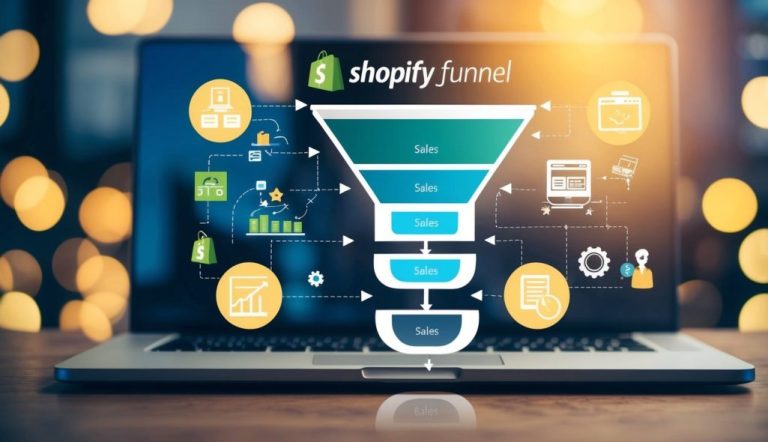
Creating an effective email funnel can significantly enhance your digital marketing strategy. Wondering how to guide potential customers smoothly from awareness to purchase? Designing email funnel templates can streamline this journey by nurturing leads and keeping them engaged. By tailoring each stage of your funnel, you can improve conversion rates and build authority in your niche.

An email funnel helps you maintain regular communication with your audience, turning casual browsers into loyal customers. Using tools like lead magnets and captivating content, you can draw in prospects and offer value that keeps them interested. When done correctly, email funnels can boost customer retention and maximize your return on investment.
To create successful email funnels, focus on understanding your audience’s needs and providing targeted content. Segmenting your email list ensures that the right message reaches the right people. Measuring the effectiveness of your funnel allows you to make necessary adjustments for optimal results.
Key Takeaways
- Design email funnel templates to guide leads and improve conversions.
- Regular communication can turn prospects into loyal customers.
- Segmenting and targeted content enhance audience engagement.
Understanding Email Marketing Funnels
An email marketing funnel guides your audience from the first contact with your brand to becoming loyal customers. To make this process effective, you need to focus on the funnel’s components and the stages from awareness to conversion.
Components of an Effective Email Funnel
Creating an effective email funnel involves several key components that work together to guide potential customers through the journey. First, automation tools are crucial. They help in managing and sending targeted emails at the right times. You can set triggers for actions like subscribing or abandoning a cart, ensuring timely engagement.
Next is segmentation. By dividing your audience into smaller groups based on interests or behaviors, you can tailor your messages for better relevance. This increases the chances of conversions as your emails meet specific needs.
Lead magnets are also vital. These are incentives like free ebooks or discounts that encourage people to subscribe. They help you collect valuable contact information and start building a relationship with your prospects.
Using these components strategically can improve your conversion rates by funneling leads smoothly through the journey.
Stages of Email Funnel: Awareness to Conversion
The email funnel consists of different stages that nurture leads from awareness to conversion. The first stage is the Awareness Stage. Here, your goal is to make a great first impression. You introduce your brand and share valuable content that piques interest, such as blog posts or informative guides.
Once awareness is established, you move to the Engagement stage. In this phase, your focus is on engaging subscribers with personalized content and offers. This could include tailored newsletters or exclusive promotions that resonate with their interests.
Finally, the Conversion stage is where you nudge your leads to take action, like making a purchase or signing up for a service. Offering a limited-time discount or a special bonus can be effective here. Each stage should aim to move prospects forward, enhancing the chances of successful conversions. Understanding and optimizing these stages can significantly boost your marketing strategy’s effectiveness.
The Importance of Email Lists
An email list is a vital asset for any business that uses email marketing. It helps you reach your target audience directly and personalize your communication. This section covers how to effectively build and segment your email list, as well as strategies for boosting open rates.
Building and Segmenting Your Email List
Building an email list requires collecting subscribers who are genuinely interested in your products or services. You can do this by offering sign-up forms on your website, blogs, or social media. Consider using lead magnets, like free e-books or discounts, to encourage sign-ups.
Once you have a list, segmentation becomes crucial. By dividing your list into smaller groups based on demographics, behaviors, or interests, you can send tailored content that resonates with each segment. For example, send different offers to new subscribers and loyal customers.
Segmentation leads to higher engagement rates. By sending relevant content, subscribers are more likely to open your emails and click on links. This personalized approach not only increases conversions but also fosters long-term loyalty.
Increasing Open Rates and Click-Through Rates
Open rates are determined by how many recipients open your emails, while click-through rates measure how many people click on links within those emails. Engaging subject lines and personalized greetings can significantly boost your open rates.
Make your subject lines concise but intriguing. Personalization doesn’t stop there. Use the recipient’s name and tailor the message content to their preferences. Ensure your calls to action are clear and persuasive, encouraging readers to click through.
A/B testing different elements, like subject lines and email designs, helps understand what works best for your audience. By continuously optimizing these factors, you can increase both open rates and click-through rates, driving better results from your email campaigns.
Designing Your Email Funnel Template
Designing an email funnel template involves understanding the components that lead to successful conversions. Incorporating automation can enhance efficiency and ensure timely communication with your audience.
Key Elements of High-Converting Sales Funnel
A high-converting sales funnel is essential to guide potential customers from initial interest to final purchase. Begin with a clear value proposition. This means explaining to the customer why they should engage with your emails. Use engaging subject lines that capture attention immediately.
Create email content that addresses the needs and concerns of your audience. Use stories or testimonials to build trust. Call-to-action (CTA) buttons should be prominent and persuasive, encouraging readers to take the next step.
Segment your email list to ensure you send relevant messages to the right people. For instance, if someone has shown interest in a specific product, send them more information and special offers about it.
Monitor your conversion rates to see which elements are working well and which need improvement. Testing various subject lines, CTAs, and content styles will help you refine your approach.
Leveraging Email Automation
Using email automation tools can streamline your funnel and improve efficiency. These tools help in sending emails based on specific behavioral triggers, like signing up for a newsletter or abandoning a cart.
Popular automation tools allow you to pre-schedule emails for timely delivery. For example, a welcome email can be sent immediately after signup, followed by a series of nurturing emails to engage new subscribers.
Automation also allows for personalized communication, which can significantly increase engagement rates. Use data collected through your interactions to tailor messages to individual preferences and behaviors.
For efficient automation setup, consider integrating your email platform with your CRM system. This ensures that all customer interactions are tracked and utilized for more targeted marketing. Incorporating these strategies will help optimize your email funnel for better performance.
Creating Captivating Content
Creating content that captures your audience’s interest is key to nurturing potential customers effectively. By focusing on clear calls-to-action, offering valuable educational content, and showcasing your product through demos and trials, you can guide your audience smoothly through the marketing funnel.
Crafting Effective Calls-to-Action
Calls-to-action (CTAs) are essential for driving engagement. A strong CTA clearly directs your audience on what to do next. Use action-oriented language like “Start Your Trial” or “Get Your Free Guide.”
Placement also matters—ensure CTAs are visible but not intrusive. Interactive elements such as buttons can make CTAs stand out. Personalization, such as using the recipient’s name, can increase responsiveness. Tailor the CTA to fit the stage in the funnel for a more targeted approach.
The Role of Educational Content
Educational content helps build trust and establishes your authority. Share useful information that addresses common problems or questions. This can include blog posts, whitepapers, and how-to guides.
Interactive elements like quizzes or webinars engage users and enhance understanding. By providing solutions, you nurture potential customers and guide them to consider your product. Tailor the complexity of the content to your audience’s knowledge level; simpler resources for beginners, in-depth analyses for more experienced audiences.
Product Demos and Trials
Product demos and trials give potential customers a firsthand look at what you offer. Showcase key features and benefits to illustrate real-world applications. Video demos are engaging and allow users to see the product in action.
Free trials offer a no-risk opportunity for users to explore. Highlight the ease and advantages of signing up. Include support options like FAQs or live chat to assist during the trial period, enhancing user experience and increasing conversion chances.
Maximizing Conversions with Lead Magnets
To improve conversions, use effective lead magnets and optimize landing pages. By crafting engaging lead magnets and fine-tuning your landing pages, you can capture more leads and drive them through your sales funnel.
Developing Engaging Lead Magnets
Choosing the right lead magnet is crucial for higher conversions. Start by understanding your audience’s needs and interests. Create content that offers clear value, whether it’s a free eBook, checklist, or webinar. Each lead magnet should be designed to solve a specific problem your audience faces.
Make it visually appealing to catch the eye. Use simple graphics and straightforward text. The content should be easy to access after signing up. Test different types of lead magnets to see what resonates with your audience. An engaging lead magnet funnel template can guide you in structuring this process effectively.
Optimizing Landing Pages for Lead Capture
A well-designed landing page is essential for capturing leads. Start with a clear headline that grabs attention. The headline should describe the benefit of your lead magnet. Use bullet points or short paragraphs to explain its features. Your purpose is to convey why your lead magnet is worth their time.
Place the opt-in form above the fold for visibility. Ask only for necessary information, like an email address, to minimize barriers to entry. Make sure your landing page loads quickly and is mobile-friendly. You can create a high-converting landing page using tools and templates found in solutions like lead magnet templates. By focusing on these elements, you increase the chances of successful lead capture.
Leveraging Email Campaigns for Customer Retention
Employing email campaigns can significantly boost customer retention by keeping your brand at the forefront of your customers’ minds. Key elements like drip campaigns and follow-up emails ensure your messages are timely and relevant to each recipient’s journey.
Effective Retention Strategies
To retain customers effectively, you should tailor your email content to meet their specific needs and preferences. Personalization is crucial. Use customer data to address them by name, recommend products they might like, or congratulate them on recent achievements.
Incorporate social proof by highlighting user reviews or customer testimonials. Showing that others have had positive experiences can build trust and encourage repeat business. Promoting exclusive offers or loyalty rewards in your emails can also uplift retention rates.
Implementing Drip Campaigns and Follow-Up Emails
Drip campaigns allow you to send automated, scheduled emails based on customer interactions. This ensures you deliver the right message at the right time, guiding your audience through different stages of their journey. It’s an efficient way to nurture relationships and keep engagement consistent.
Follow-up emails are vital after significant milestones, such as a purchase or subscription. Sending a thank-you email or requesting feedback can strengthen your connection with the customer. These touchpoints demonstrate your commitment to their satisfaction and encourage ongoing loyalty.
Enhancing ROI with Upselling and Cross-Selling
Boosting your ROI through upselling and cross-selling requires a strategic approach. These techniques can effectively increase conversion rates and enhance the customer journey by offering value-adding products or services.
Strategies for Upsell and Cross-Sell
To maximize the benefits from upselling, you should identify key moments in the customer journey. This involves placing strategic offers when a customer is about to checkout or shortly after a purchase. Timing is crucial to encouraging customers to consider additional items.
Cross-selling involves recommending complementary products that enhance the customer’s purchase. For example, a company might suggest accessories that go with the main product, like phone cases when purchasing a new smartphone. Using personalized recommendations based on past purchases can significantly increase success.
Consider creating tailored email campaigns that highlight relevant product suggestions for each customer segment. This personalization helps improve conversion rates by offering items that truly interest the consumer, further enhancing your ROI.
Building Authority and Trust Through Social Proof
Using social proof in your marketing strategy can significantly enhance your brand’s credibility and trust. By focusing on customer testimonials and referrals, you can effectively strengthen your authority and encourage potential clients to engage with your business.
Harnessing Testimonials and Referrals
Testimonials are powerful tools for building authority. When customers share their positive experiences, it reassures potential buyers about your service quality.
Including real customer quotes in your emails adds authenticity and helps promote trust. You could use a dedicated email segment to spotlight client success stories or feature satisfied customer experiences through social mentions.
Referrals are another impactful method. Word-of-mouth recommendations carry weight because people trust their peers.
Encourage customers to refer friends by offering incentives or creating referral programs. This not only expands your customer base but also positions your existing clients as brand advocates.
Utilizing both testimonials and referrals will strengthen your brand’s authority by leveraging the power of social proof, enhancing customer trust and credibility.
Advanced Techniques for Segmenting and Targeting
Using advanced techniques in email segmentation and targeting can improve how you communicate with your audience. By understanding each stage of a customer’s journey, you can send personalized messages that lead them from the consideration stage to making a purchase.
Bridging Lead Nurturing and Sales Funnel Stages
To effectively move leads through the sales funnel stages, you need precise email segmentation.
Grouping your audience based on criteria, like interests and behavior, helps tailor messages for each lifecycle stage. This means sending the right content at the right moment to nurture leads progressively.
During the consideration stage, focus on personalized emails that address potential customers’ specific needs or questions. Highlighting benefits and solutions to their problems encourages them to move towards purchasing. Craft clear and compelling subject lines to capture attention quickly.
Recognize where your leads are in the buyer’s journey. This helps in delivering emails that resonate well with their current needs and readiness to buy. By bridging lead nurturing with the sales funnel, you ensure that each interaction is relevant, improving your conversion rates.
Measuring Success and Optimizing the Funnel
Tracking and improving your email funnel is crucial to boost its performance. Focus on key metrics to guide your strategy and enhance effectiveness.
Key Metrics to Track Performance
Monitoring the success of your email funnel involves focusing on specific metrics. Open rates are vital because they show how well your subject lines attract attention. A higher open rate often translates to greater engagement.
Conversion rates are perhaps the most critical metric to measure. These rates identify how many of your subscribers take the desired action, like making a purchase. They provide insights into the effectiveness of your content and calls to action within the funnel.
ROI, or return on investment, helps you understand the financial success of your campaigns. High ROI indicates that your email marketing efforts are yielding profitable results.
Leverage analytics tools to track these metrics. For instance, using platforms to visualize your sales funnels allows for quick adjustments in your marketing campaigns. These insights help refine your approach, leading to improved outcomes and higher subscriber retention.
Frequently Asked Questions
Creating a successful email marketing funnel involves designing a series of emails, understanding key components, using strategies for conversion, measuring success, and leveraging automation. Here’s how you can navigate these steps effectively.
How do I design an effective email marketing funnel?
Start by identifying your target audience and their needs. Create tailored content that speaks directly to them.
Use segmentation to group subscribers based on their behavior or interests. This will help you send more relevant emails, enhancing engagement and conversion rates.
What are the key components of an email funnel?
An effective email funnel includes lead magnets, welcome emails, nurturing sequences, and conversion emails. Each component serves a unique purpose, guiding subscribers from initial interest to final purchase. Integrate compelling calls to action to prompt subscribers to move to the next stage.
What strategies can I use to optimize my email funnel for conversions?
Utilize A/B testing to determine which subject lines, email formats, and content work best for your audience.
Personalization is crucial—customize emails by including the subscriber’s name and recommending products based on their previous interactions. Test different sending times to see what yields the best open and click rates.
How can I measure the success of my email funnel?
Track key performance indicators such as open rates, click-through rates, and conversion rates.
Use analytics tools to gather insights on subscriber behavior and engagement. This data helps you refine your email strategy, ensuring that your funnel is effectively driving sales.
What is the ideal sequence of emails in a marketing funnel?
A typical sequence starts with a welcome email, followed by educational or value-driven content. Next, introduce your products or services with clear benefits.
Use a gentle push towards conversion with limited-time offers or exclusive discounts, then conclude with a follow-up to maintain engagement.
How can automation improve the performance of an email funnel?
Automation streamlines the email marketing process. It ensures timely and consistent communication with subscribers. It allows you to set up sequences that trigger based on customer actions, increasing efficiency and personalization. This saves time and enhances the user experience by delivering the right message at the right moment.