

Free sales funnels can transform the way you engage with customers online. Whether you are a small business owner or just starting in digital marketing, you need to understand how to build effective sales funnels.
You can create pathways that guide potential buyers toward making a purchase without spending any money upfront by using free sales funnel tools.
There are many free platforms available to help you design and optimize your sales funnel. With tools like involve.me’s drag and drop editor and MyMap.AI’s intuitive AI-powered optimization, you can effortlessly build engaging and efficient funnels.
These tools let you focus on tailoring the funnel to your audience’s needs, which enhances conversion rates.
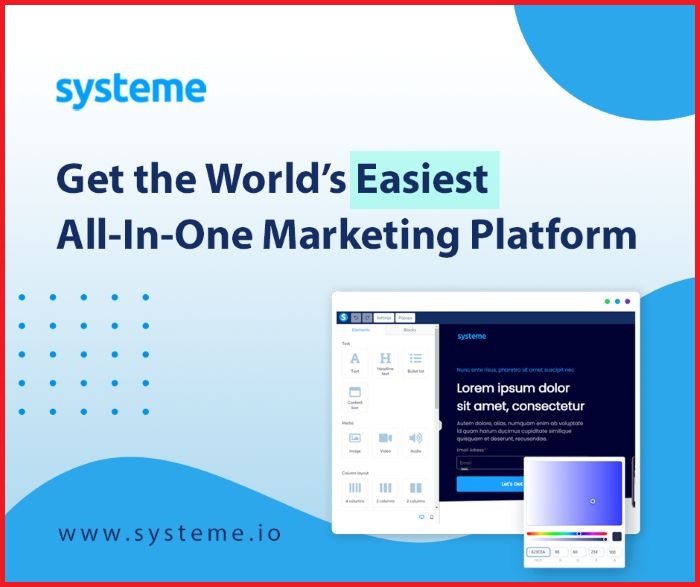
Engaging potential buyers and converting prospects into customers is at the heart of any successful sales funnel. Platforms like Systeme offer features like email marketing, webinars, and analytics even on their free plans, making it possible for you to refine your strategies continuously. With the right free tools, you can scale your efforts, ensuring growth and sustained success.
Key Takeaways
- Use free tools to design your sales funnels effectively.
- Engage potential buyers to convert them into customers.
- Optimize and scale your strategies for long-term growth.
Understanding Sales Funnels
Sales funnels are essential in guiding potential customers through the sales process, turning them into paying customers. Their effectiveness depends on clearly defining each phase and effectively managing customer interactions.
Definition and Importance
A sales funnel is a marketing model illustrating the journey from potential customer to paying customer. It shapes how you handle customer relationships and is crucial for a successful sales process.
By identifying and nurturing leads, you increase the chance of conversion. A solid sales funnel helps in mapping out the steps, ensuring you capture potential customers’ interest and guide them smoothly through each stage.
Key Components of Effective Sales Funnels
To build effective sales funnels, focus on three main stages: awareness, consideration, and decision. In the awareness stage, you capture the attention of potential customers through marketing efforts like ads or social media.
During the consideration stage, nurture these leads with targeted content or offers. The decision stage involves converting prospects into paying customers by addressing their needs and offering solutions.
Incorporating templates or a sales funnel builder can streamline the creation process, allowing you to focus on capturing and converting leads effectively.
Designing Your Sales Funnel
Creating an effective sales funnel involves understanding your customers’ needs and mapping their journey. This process ensures that each step of the sales funnel aligns with customer expectations, making it easier to address pain points and guide them through the sales process.
Identifying Customer Pain Points
To design a sales funnel, start by identifying pain points. These are the challenges your potential customers face. Understanding these will help you craft messages and solutions tailored to their needs.
Analyze Feedback: Look at customer reviews, surveys, and social media comments to gather insights.
Research Competitors: See how competitors solve similar issues. This can offer valuable insights and help differentiate your offerings.
Engage Directly: Talk to your audience through interviews or live chats. Direct interaction provides firsthand knowledge of their challenges.
Addressing pain points early in your sales funnel can significantly enhance customer satisfaction and drive conversions.
Mapping the Customer Journey
Once you identify pain points, map the complete customer journey. This is the roadmap of how users interact with your brand from awareness to purchase.
Awareness Stage: Engage through engaging content and ads. Highlight solutions to their pain points.
Consideration Stage: Offer detailed information like case studies or product demos. This helps in building trust.
Decision Stage: Present strong calls to action and testimonials. Include clear benefits and reasons to buy.
Mapping each stage ensures you deliver the right message at the right time, keeping customers engaged and moving through the sales process smoothly. This approach not only enhances their experience but also boosts your funnel’s efficiency.
Attracting Potential Buyers
To attract potential buyers effectively, focus on leveraging social media and crafting compelling content strategies. Utilize tools like Facebook ads to target specific demographics and offer resources like eBooks to capture interest and collect leads.
Leveraging Social Media
Social media platforms offer powerful tools to reach your audience. Facebook ads allow you to target users based on interests, behavior, and demographics. These ads can introduce your product or service to new potential buyers who are likely to be interested.
Create engaging content to generate interest. Videos, infographics, and interactive posts can boost engagement. Consider using platforms like Instagram and Twitter for more real-time interaction.
Respond promptly to comments and messages to build trust and rapport with your audience. This real-time communication can improve your chances of converting interest into leads.
Crafting Effective Content Strategies
Craft content that speaks directly to your audience’s needs and interests. Offering a valuable eBook in exchange for contact details is an effective lead magnet. This strategy works well because people are more willing to share their information if they see clear value in return.
Ensure your content is varied and consistent. Regular blog posts, newsletters, and webinars can keep your audience engaged. Tailor the content to address common pain points and offer solutions.
Utilize keywords relevant to your niche within the content to improve visibility on search engines. This approach can attract more potential buyers by making your offerings easier to find online.
Converting Prospects Into Customers
To convert potential customers to paying customers, you should utilize strategies like lead magnets and engaging webinars. These methods are effective in capturing interest and nurturing a relationship with your audience.
Utilizing Lead Magnets
Lead magnets are valuable resources offered for free in exchange for a potential customer’s contact information. This strategy helps you build a list of quality leads who are genuinely interested in your product or service. Common types of lead magnets include eBooks, checklists, and exclusive reports.
When designing a lead magnet, focus on solving a specific problem for your audience. Make sure it aligns with their needs and interests. The visual appeal and deliverability of your lead magnet matters, so consider using attractive design and easy distribution methods to ensure satisfaction.
Creating Engaging Webinars
Webinars are interactive seminars conducted online. They are powerful tools to engage potential customers, showcasing your expertise and building trust. A well-structured webinar can convert viewers into loyal paying customers by providing valuable insights and answering questions directly.
To create an engaging webinar, plan content that resonates with your audience’s needs. Use a mix of presentation slides, live demos, and Q&A sessions to keep attendees involved. Promote the webinar through different channels to reach a wider audience and ensure you provide easy access for seamless participation.
Optimizing and Scaling
Effective sales funnels require continuous improvement and expansion. Optimizing involves refining each funnel stage to increase sales, while scaling focuses on reaching a larger audience.
Testing and Analytics
To enhance your sales funnel, it’s crucial to rely on testing and analytics. Start with A/B testing to determine which elements of your funnel perform best. Look at different parts, such as headlines, call-to-action buttons, and images.
Use analytics tools to track customer behavior and conversion rates. You should know where customers drop off and which steps lead to higher engagement and sales. These insights help in identifying bottlenecks and improving weak areas. Implement real-time monitoring for immediate feedback and allow quick adjustments. Continually refine your funnel to ensure it meets customer needs.
Scaling Your Sales Funnel
Scaling means adapting your funnel to handle more leads without sacrificing quality. Focus on automating repetitive tasks like email marketing and lead scoring. Automation tools can help to maintain efficiency as your audience grows.
Expand your reach through diverse marketing channels. Social media platforms and pay-per-click (PPC) advertising can help to attract more leads. Optimize your content for search engines to increase visibility. Additionally, consider segmenting your audience to better tailor your funnel to different customer needs. Scaling efforts should always aim to keep or even increase your conversion rates as you grow.
Frequently Asked Questions
This section addresses common questions about free tools, templates, and how sales funnels can support business growth effectively.
What are the best free tools for creating a sales funnel for small businesses?
For small businesses, some of the best free tools include UpLead’s sales funnel templates and free funnel building options that can help organize and streamline your processes. These tools often include integrations with email marketing and payment platforms.
How can I utilize a sales funnel template effectively without incurring costs?
You can make use of free sales funnel templates by focusing on customization that suits your business needs. Adjusting these templates to fit your products or services can enhance engagement. UpLead offers a variety of templates designed to boost sales efforts without needing to spend extra money.
Are there any reputable free sales funnel builders tailored for affiliate marketing?
For affiliate marketing, free builders like those offered by Involve.me can be particularly useful. They provide customizable options to create funnels that align with affiliate strategies, helping increase conversion rates efficiently without added costs.
Which platforms offer the best free versions of sales funnel builders?
Platforms like Involve.me offer robust free versions with extensive templates and tools to engage audiences and boost conversions. These platforms are known for being user-friendly and adaptable, making them a valuable choice for cost-conscious marketers.
How do sales funnels contribute to business growth and are they cost-effective?
Sales funnels are effective in guiding potential customers through the buying process, leading to higher conversion rates and customer retention. Free tools, like those from SmartReach, offer features that can be just as effective as paid versions in driving business growth.
Can free AI-powered funnel builders compete with paid versions in terms of performance?
Free AI-powered funnel builders often provide competitive features that rival paid versions. While paid options might offer advanced analytics or integrations, many free builders come with robust features that support efficient funnel creation. These can be ideal for businesses looking for budget-friendly solutions.


