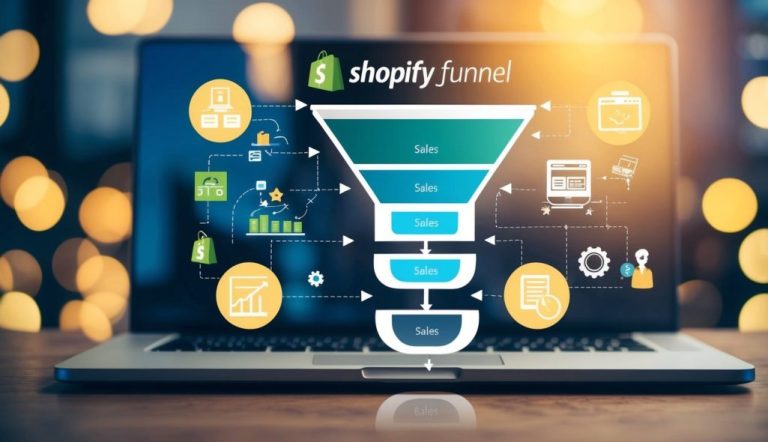
Understanding the top of the sales funnel is crucial for anyone looking to attract potential customers effectively. At this stage, you draw in prospects and introduce them to your brand. By using broad marketing techniques, you can capture interest and begin building a relationship with your audience.

The top of the funnel, often referred to as TOFU, focuses on building awareness and interest without pushing for a sale. This is where you should make sure your content is engaging, informative, and relevant to the needs of your target audience. Content such as blog posts, social media updates, and videos can be effective at this level.
Effective strategies at the TOFU stage involve leveraging digital tools to optimize and measure your efforts. This means you should use analytics to understand engagement levels and continuously improve your tactics. By focusing on what works and refining your approach, you can increase the likelihood of converting leads further down the funnel.
Key Takeaways
- Engage prospects with broad-reaching content.
- Focus on awareness and relationship-building.
- Use analytics for continuous improvement.
Fundamentals of the Sales Funnel
The sales funnel is an essential tool for guiding potential customers from initial awareness to a final purchase. Understanding its structure helps businesses optimize each step to enhance customer conversion and retention.
Defining the Sales Funnel Concept
A sales funnel represents the journey a customer takes from discovering a product to making a purchase. It consists of several stages, often depicted as a funnel, due to the narrowing focus as customers get closer to buying. Typically, these stages include Awareness, Interest, Desire, and Action. Each stage requires different strategies to move prospects along the funnel effectively. For example, during the Awareness stage, marketing efforts aim to capture the interest of a wide audience, while the Action stage involves closing the sale with targeted offers or incentives.
Benefits of a Well-Structured Funnel
A well-structured sales funnel boosts efficiency in converting leads to customers. It allows you to identify and address potential drop-off points. By understanding customer behavior at each stage, you can refine marketing techniques, reduce costs, and increase sales. A clear funnel provides insights into customer preferences and helps tailor messages to resonate with the audience. Additionally, tracking analytics through the funnel can reveal which stages need more attention, ensuring resources are allocated where they’re most effective. This structured approach can ultimately lead to stronger customer relationships and improved return on investment.
Understanding the Top of the Funnel
The top of the funnel focuses on attracting new leads and building brand awareness. At this stage, your goal is to reach a large audience and introduce them to your products or services. Various tactics like content marketing, social media promotion, and search engine optimization are used to capture interest. It’s a crucial point where you make a first impression and educate potential customers about what you offer. Engaging content and outreach strategies can help draw in potential buyers and move them down to the next stages of the sales funnel. By effectively managing the top of the funnel, you set a strong foundation for future interactions with your audience.
Strategies for Attracting Prospects
To effectively attract prospects to the top of your sales funnel, focus on content marketing, social media engagement, pay-per-click advertising, and search engine optimization. These strategies will help you draw attention and convert interest into valuable leads.

Content Marketing Essentials
Creating informative and engaging content is crucial. You should develop blogs, videos, and infographics that address the interests and pain points of your target audience. By providing valuable information, you draw attention without direct sales pressure.
Use a content calendar to plan and organize regular posts. This keeps your material fresh and consistent. Offer downloadable resources like whitepapers or guides to encourage lead generation by exchanging content for contact information.
Leveraging Social Media
Social media platforms are powerful tools for connecting with potential customers. Choose platforms that your audience frequents. Whether it’s Instagram for visuals or LinkedIn for professionals, tailoring your message to the right channel is key.
Engage regularly by posting updates, sharing relevant articles, and responding to comments and messages promptly. This builds a community and fosters interest in your offerings. Host live sessions or Q&A events to connect more personally with your audience.
Pay-Per-Click Campaigns
Pay-per-click (PPC) campaigns can rapidly increase visibility. Platforms like Google Ads allow you to target specific demographics and keywords, ensuring your ads reach the right people. Set a budget and monitor the performance of your ads.
A/B testing is beneficial to refine messaging and design. Analyze click-through rates and conversion metrics to optimize your strategy for better returns. PPC can quickly boost new visitor counts and gather data on what resonates most with your audience.
Search Engine Optimization
Optimizing your website for search engines can improve your organic reach. Focus on integrating relevant keywords into your site’s content, meta tags, and descriptions. This helps search engines understand your content and rank it higher in search results.
Create quality backlinks by collaborating with reputable sites. A technically sound website that loads quickly and is mobile-friendly further enhances your visibility. Regularly update content to keep it relevant and engaging, which contributes to better search engine performance.
Lead Capture Techniques
Lead capture is essential for attracting potential customers and moving them into the sales funnel. Key techniques involve creating effective landing pages, offering attractive lead magnets, utilizing webinar sign-ups, and integrating subscription forms. Each method is designed to capture interest and convert visitors into leads.
Effective Landing Pages
To capture leads effectively, landing pages need to be well-designed and strategically focused. Keep your pages simple and direct, removing unnecessary distractions. Use a clear call-to-action (CTA) to guide visitors on what to do next. Make sure the headline is compelling and quickly communicates the value proposition.
Ensure that your landing page loads quickly and is mobile-friendly. This will help keep visitors engaged. Use high-quality images or videos to grab attention and make your message more appealing. A successful landing page should also include testimonials or social proof to build trust and credibility. Test different layouts and CTAs to find what works best in converting visitors into leads.
Offering Lead Magnets
Lead magnets are valuable resources given away for free in exchange for contact information. They can come in forms such as eBooks, checklists, or templates. The key is to offer something highly relevant to your target audience’s needs or interests.
Make sure your lead magnet promises a clear benefit, like solving a specific problem or answering a pressing question. Offer it prominently on your webpage with an enticing title and description. Simplify the opt-in process to lower barriers to entry.
Consider segmenting your offers to match different customer personas within your audience. This ensures that you’re appealing to various needs and preferences, increasing the chances of capturing more leads.
Webinar Sign-ups
Conducting webinars allows you to engage directly with your audience while capturing leads simultaneously. Promote your webinars through social media, email marketing, or your website to reach a wider audience.
Choose topics that are of great interest to your target audience. Subjects should be informative and offer real value. During the webinar, engage with participants through Q&A sessions. This interaction not only keeps them interested but helps build a relationship with your brand.
Remember to collect sign-up information through a registration page. Use this data to follow up with attendees and non-attendees, guiding them further down your sales funnel. Record the webinar for those who miss the live session, offering another opportunity to capture leads.
Subscription Forms
Subscription forms are essential tools for capturing leads, particularly through email marketing. Position these forms strategically on your website, such as in a pop-up, sidebar, or at the end of blog posts. Keep the form straightforward: the fewer fields, the better the sign-up rate.
Offer an incentive for subscribing, such as a discount, exclusive content, or regular updates on interesting topics. Clearly communicate the value subscribers will get from signing up. Make sure you regularly update and test different form placements and designs to maximize sign-up rates.
Integrate subscription forms with your email marketing platform to smoothly automate follow-ups, which can help move subscribers through the sales funnel efficiently.
Metrics and Performance Indicators
Understanding key metrics and performance indicators at the top of the sales funnel helps optimize strategies for better results. These measurements highlight areas like traffic volume, lead quality, and conversion rates, enabling you to make informed decisions to improve sales outcomes.
Traffic Analysis
Analyzing traffic metrics is essential for evaluating how many potential customers visit your site. Key metrics include bounce rate, unique visitors, and session duration. A high bounce rate might suggest issues with your site’s content or design.
Unique visitors track the number of distinct individuals accessing your site, while session duration indicates how long they stay engaged.
Utilize tools like Google Analytics for detailed insights and custom reports, which will help you track these factors effectively. By focusing on these metrics, you can understand how well you’re attracting and retaining visitor interest.
Lead Quality Assessment
Assessing lead quality involves determining how well your leads fit your ideal customer profile. Metrics such as visitor demographics, source of traffic, and interaction levels provide insight into lead potential.
Visitor demographics give you data about age, location, and interests, helping you tailor your marketing efforts. Source of traffic analysis tells you where visitors are coming from, such as social media or organic search.
These metrics are crucial as they spend considerable time filtering out less promising leads from more promising ones. Using tools to segment and score leads can enhance this assessment process.
Conversion Rates
Conversion rate metrics are vital for understanding how effectively you turn visitors into leads or customers. These are typically calculated by dividing the number of conversions by total visitors and multiplying by 100.
This percentage gives you a clear picture of performance at the top of the funnel. A higher conversion rate indicates effective content and calls to action.
You can improve conversion rates by testing different strategies, refining your messaging, or optimizing landing pages. Regular tracking and analysis of this metric can significantly influence your sales strategy, ensuring resources are used efficiently.
Challenges at the Top of the Funnel
At the top of the sales funnel, businesses often face challenges related to improving website engagement, balancing lead quantity with quality, and dealing with broader economic shifts. Addressing these issues effectively is crucial for enhancing the efficiency of the sales process.
Addressing High Bounce Rates
High bounce rates can be a significant problem at the top of the funnel. They indicate that visitors leave your site before exploring further. This could be due to slow page loading times, confusing navigation, or irrelevant content. To lower bounce rates, ensure your website is user-friendly and responsive.
Optimize your site for fast loading speeds by compressing images and using efficient coding practices. Well-organized content that answers common visitor questions can also encourage exploration. Analyze data from tools like Google Analytics to identify pages with high bounce rates and test different improvements.
Managing Lead Volume Versus Quality
Generating a high volume of leads is beneficial only if these leads are likely to convert. It’s important to strike a balance between quantity and quality of leads. Focus your efforts on targeting specific audiences that align with your product or service.
Use targeted advertising to reach more relevant prospects. Personalized content can also improve lead quality by appealing directly to your desired audience’s needs and interests. Regularly review your lead sources and scoring process to adjust your strategies.
Tools like CRM systems can help manage and analyze your lead pipeline effectively. Consider implementing strategies from industry experts on improving lead quality, such as those found in the 7 Major Sales Funnel Challenges article.
Navigating Economic Changes
Economic changes can impact customer behavior at the top of the funnel. You need to be adaptable and aware of market trends to maintain funnel effectiveness during economic shifts. Monitor economic indicators and be prepared to adjust your marketing strategies.
Flexibility is key, allowing you to shift focus to more resilient market segments. Develop marketing messages that resonate with the current economic landscape and highlight the value of your offerings. Stay informed by regularly reviewing economic forecasts and consumer behavior reports.
For more insights, you can explore approaches to overcoming sales funnel challenges, such as those discussed in the Five Sales Funnel Challenges article.
Tools for Funnel Optimization
To enhance your sales funnel, you must use software that streamlines processes, increases efficiency, and improves tracking. Here are key tools to consider: CRM software, marketing automation platforms, and analytics tools. Each type of tool offers unique benefits for optimizing different stages of your funnel.
CRM Software Solutions
CRM (Customer Relationship Management) software is essential for managing interactions with potential customers. It helps you organize and analyze customer data, which is crucial for personalizing communication and nurturing leads.
Many CRM solutions, like HubSpot or Salesforce, offer features like contact management, task automation, and sales forecasting. These tools enable you to maintain a comprehensive view of customer interactions, improving engagement and helping convert leads into sales.
A good CRM software can automate follow-ups and personalize messages based on customer behavior. This helps in building stronger relationships and ensures that opportunities are not missed. Additionally, CRMs often have reporting features that provide insights into sales performance and customer preferences.
Marketing Automation Platforms
Marketing automation platforms enable you to streamline your marketing efforts by automating repetitive tasks like email campaigns, social media posting, and ad management. These platforms save time and allow you to focus on strategy, rather than manual execution.
Tools such as HubSpot and Mailchimp offer features to segment audiences and tailor communications. Automated workflows can nurture leads by sending targeted messages at optimal times. This keeps prospects engaged and moves them through the funnel efficiently.
Using marketing automation, you can track the effectiveness of all marketing channels, which provides data to refine strategies. By analyzing campaign performance, you make informed decisions to optimize conversion rates better.
Analytics and Tracking Tools
Analytics and tracking tools are vital for understanding how users interact with your funnel. They help measure performance at every stage, identifying where improvements are needed.
Google Analytics is a popular tool that provides insights into user behavior, traffic sources, and conversion paths. It allows you to track website performance and understand what is driving conversions or drop-offs.
Advanced tools, like Mixpanel or Hotjar, offer additional features such as heatmaps, session recordings, and advanced segmentation. These insights are invaluable for optimizing user experience and ensuring your funnel is efficient.
By regularly reviewing analytics, you can adapt strategies quickly and maintain a competitive edge in reaching your sales goals.
Emerging Trends in Funnel Development
Understanding the latest trends in funnel development is crucial for enhancing user engagement. Innovations like AI, personalization, and voice search optimization are reshaping how businesses connect with their audience.
AI and Machine Learning Integration
Artificial Intelligence (AI) and machine learning are becoming essential in sales funnels. AI can analyze user behavior and predict future actions, refining what content or products to present. By harnessing data, these technologies provide insights that help tailor marketing strategies.
AI-driven tools can automate email campaigns, personalize recommendations, and dynamically adjust digital advertisements based on user interactions.
Machine learning enhances customer experiences by learning from past interactions. For example, it can optimize chatbots to handle customer queries more effectively.
Integrating AI into your sales funnel is vital as it helps automate repetitive tasks while offering personalized experiences. This shift significantly boosts efficiency and customer satisfaction, making AI an integral part of modern sales strategies.
Personalization Techniques
Personalization in sales funnels has moved beyond just addressing the customer by their name in emails. Now, it involves tailoring experiences based on user preferences, browsing history, and behavior. This personal touch not only increases engagement but also builds stronger customer relationships.
You can use dynamic content on websites to show products that align with a user’s past browsing or purchase patterns. Another effective technique is segmenting email lists based on customer data such as demographics or previous purchases.
By delivering content that speaks directly to individual interests, you increase the likelihood of conversion. In a noisy digital world, personalization helps your message stand out, making it a key component of successful sales funnels today.
Voice Search Optimization
Voice search is rapidly changing how users interact with search engines. Optimizing your sales funnel for voice search is becoming more important as devices like smart speakers gain popularity. This means adapting your content to match how people speak naturally, often with conversational phrases and questions.
Start by including longer-tail keywords and natural language in your SEO strategy. Additionally, ensure your website loads quickly and is mobile-friendly, as these factors are crucial for voice search rankings.
Implementing structured data can also enhance your content’s visibility in voice search results. Embracing these adjustments helps you maintain competitiveness in an age where voice interactions are increasingly dominant.
Case Studies
In exploring top-of-the-funnel success and learning opportunities, real-world examples provide practical insights. Here are stories of both achievements and lessons learned.
Success Stories
A standout example is Basecamp, a project management tool that effectively attracts potential customers at the top of the funnel. By using organic search, educational content, and free trials, they engage users early. Their strategy involves sharing helpful guides and case studies to address customer needs and goals, creating a robust introduction to their product.
Another example is CrazyEgg, which uses a five-stage funnel starting with awareness to convert visitors. This approach helps them highlight product features and engage users with personalized content along each stage of the journey, setting a standard for successful top-of-the-funnel engagement.
Learning from Failure
Knowing what can go wrong is just as vital. Some campaigns fail due to a lack of clear targeting in top-of-funnel activities. For instance, campaigns might attract a broad audience without understanding specific needs, leading to low engagement rates.
Failing to provide value-rich resources can result in high drop-off rates. Case studies indicate that neglecting customer needs or failing to follow up with engaging content can lead to funnel inefficiencies.
Ensuring you research your target audience and deliver relevant content is essential. By addressing these issues, you can avoid potential pitfalls and improve your marketing effectiveness.
Continuous Improvement
To keep your sales funnel effective, focus on continuous improvement. This involves refining processes through feedback, testing different approaches, and enhancing team skills.
Feedback Loops and Adjustments
Creating feedback loops is essential for ongoing success. Regularly gathering input from your sales team helps pinpoint challenges and discover opportunities.
Encourage team members to share their experiences and insights. Analyzing this feedback can reveal patterns and suggest adjustments to your sales strategies.
Implement changes based on the collected feedback to refine sales pitches or modify target markets. This iterative process ensures that your sales methods adapt to changing customer needs and market conditions.
Frequent reviews and incorporating team insights make your sales process more dynamic and responsive.
A/B Testing for Optimal Results
A/B testing is a powerful tool to improve your sales funnel. Test different versions of sales pitches, emails, or landing pages to determine what resonates best with your audience.
This method helps you identify which elements drive conversions and which need adjustment.
Start by selecting specific variables to test, such as headlines or call-to-action buttons. Monitor the performance metrics of each variant and analyze the results to choose the most effective option.
Continually testing and refining these elements will maximize your conversion rates and enhance the overall efficiency of your sales funnel.
Training and Team Development
Investing in training and team development is crucial for improving sales performance. Regular training sessions equip your team with the latest techniques and market knowledge.
Focus on developing skills such as negotiation, communication, and product knowledge to boost confidence and effectiveness.
Encourage team members to engage in workshops, online courses, or industry conferences. Supporting professional growth helps retain talent and fosters a culture of continuous learning.
A well-trained team is adaptable and capable of overcoming new challenges, ensuring sustained success in your sales efforts.
Frequently Asked Questions
The top of the sales funnel is crucial in attracting potential customers. It focuses on grabbing attention and building interest before moving leads further through the funnel.
What are some typical activities at the top of the sales funnel?
At this stage, activities usually involve introducing people to your brand. This might include social media posts, blog articles, and advertisements. These activities aim to create awareness and capture attention without pushing for an immediate sale.
How does content marketing differ at the top of the funnel compared to the bottom?
Content at the top focuses on information that educates and engages a broad audience. It includes blog posts, videos, and infographics that address general questions. At the bottom of the funnel, content becomes more specific, targeting those ready to make a purchase.
What is the purpose of the top of the funnel in marketing strategy?
The main goal is to increase brand awareness and attract potential leads. Rather than pushing for immediate sales, it’s about building recognition and nurturing interest so that potential customers move further down the funnel toward making a purchase.
How do you measure success for top of funnel marketing initiatives?
Success can be measured by tracking metrics like website traffic, social media engagement, and the number of new leads. These indicators show how effectively your strategies are bringing new people into the funnel.
What role does SEO play in top of funnel marketing efforts?
SEO is crucial for driving organic traffic from search engines. By optimizing your content for relevant keywords and queries, you ensure that your brand appears in search results, increasing visibility at the awareness stage.
Can you differentiate between top-of-funnel and middle-of-funnel marketing tactics?
Top-of-funnel tactics focus on reaching a wide audience to create awareness. This is done through social media or broad-topic blog posts. Meanwhile, middle-of-funnel tactics are more targeted. They engage people who have already shown interest with webinars, case studies, or email nurturing campaigns.