If you’re looking to boost your business strategy, consider building an effective opportunity funnel. An opportunity funnel helps businesses attract, assess, and capture valuable prospects, leading them through a structured sales process. By guiding prospects from initial awareness to interest and finally to action, you increase the chances of converting them into loyal customers.

The structure of an opportunity funnel is crucial for aligning your sales pipelines and optimizing the sales process. This approach not only organizes your sales efforts but also enhances the way you build customer relationships. It reveals critical insights into your sales pipeline, allowing you to understand the market and buyers better, as noted in the article on opportunity funnels and sales pipeline insights.
By incorporating an efficient opportunity funnel, businesses can fine-tune their pricing strategies and lead generation efforts. Real-world case studies and testimonials can be leveraged to demonstrate success and encourage prospects to move down the funnel. Gaining entrepreneurial insights from successful models, such as the approaches discussed by Forbes on building opportunity funnels, can provide the inspiration needed to maximize your business potential.
Key Takeaways
- Use an opportunity funnel to enhance the sales process.
- Align sales pipelines with customer relationships for better results.
- Leverage case studies to improve lead conversion.
Understanding the Opportunity Funnel
The opportunity funnel is a strategic process used to guide potential customers from initial awareness to the final purchase. This tool helps you track and optimize how prospects move through different stages, making it vital for improving conversion rates.
Defining an Opportunity Funnel
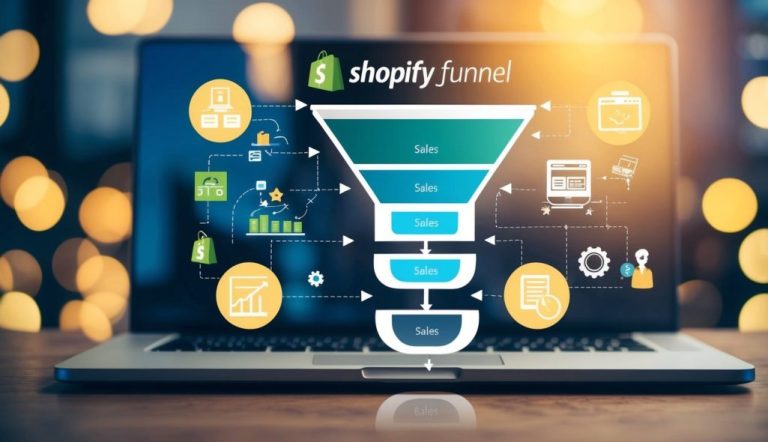
An opportunity funnel is a structured approach to nurture potential sales leads. It starts with attracting prospects who might be interested in your product or service. The funnel narrows as prospects move through different stages, filtering out those less likely to convert. This process is essential for focusing resources on the most promising opportunities.
The funnel’s shape illustrates how many prospects enter at the top and how few become actual customers at the bottom. By managing this funnel, you can improve efficiency and outcomes. Learn more about building these funnels in this guide.
Stages of an Opportunity Funnel
The stages include awareness, consideration, evaluation, and purchase. In the awareness stage, potential customers learn about your product. During consideration, they compare with other options. Evaluation involves deeper analysis, sometimes with demonstrations or trials. Finally, the purchase stage is where deals are finalized and conversion happens.
Each stage requires different strategies to engage prospects effectively. By analyzing where most prospects drop off, you can identify and improve weaker points in your funnel. Detailed insights into these stages can help refine your sales process. For more insights, explore this resource.

Aligning Sales Pipelines and Funnels
Aligning sales pipelines and funnels can help streamline your sales process. This alignment ensures you manage leads effectively through each stage of the sales funnel while optimizing conversion rates and sales metrics.
Integrating Sales Pipeline with Funnel Stages
Integrating the sales pipeline with the stages of a sales funnel requires focus on both the seller’s and buyer’s actions. Your sales pipeline tracks your team’s actions, like calls and meetings, designed to move leads forward. On the other hand, the sales funnel highlights how leads transition from interest to decision, mapping the customer’s journey.
To align these elements, you should ensure that each pipeline stage matches a corresponding funnel stage. This means every action in the pipeline supports a step in the funnel. For example, initial contact in your pipeline should correspond with the awareness stage in the buyer’s journey.
Aligning these steps helps you understand where specific actions can have the most impact, making it smoother to guide leads from one stage to the next. It also helps your sales team know what actions to prioritize for efficient lead management.
Conversion Rates and Sales Metrics
Monitoring conversion rates and sales metrics is crucial when aligning sales pipelines and funnels. Conversion rates illustrate how effectively leads move through each stage of the sales funnel. By tracking these rates, you can identify which stages need improvement.
Sales metrics like the number of qualified leads and closed deals provide insight into pipeline performance. Understanding these metrics helps you pinpoint where bottlenecks occur within either the funnel or pipeline. For example, many leads may drop off between specific stages, indicating a need for process changes.
Regular evaluation of these metrics ensures that your sales team can adjust strategies to improve conversion rates, ultimately leading to higher closing rates and better overall sales performance. This alignment not only streamlines the sales process but also enhances customer experience and satisfaction.
Optimizing the Sales Process
Improving the sales process involves refining strategies and using the right tools to enhance productivity and conversions. Sales reps play a critical role by applying effective techniques and utilizing resources like sales funnel templates to guide and streamline their efforts.
Strategies for Sales Reps
Sales reps can boost productivity by focusing on a systematic approach to the sales process. This includes setting clear goals and tracking progress regularly. Time management is essential; prioritize high-potential leads and allocate time effectively.
Coaching and training are also vital. Regular feedback and skill-building sessions help reps stay informed about best practices. Using data to tailor your pitch and improve personalization increases conversion rates. Practice active listening to understand customer needs better, and address them clearly.
Engage with prospects through multiple channels, such as email and social media. This multi-channel approach broadens your reach and keeps prospects engaged. Implementing these strategies improves not just productivity but also effectiveness in closing deals.
Sales Funnel Templates and Tools
A well-structured sales funnel template helps reps visualize each stage of the sales process and identify where improvements are needed. Templates guide you through stages from lead generation to closing.
Several tools offer customizable templates, allowing you to tailor them to specific business needs. CRM software often includes features that help automate and track progress, improving efficiency and accuracy.
Consider using analytics tools to gather insights on funnel performance. By analyzing this data, you can refine the funnel, focusing on areas that need attention. Efficient tools and templates serve as a foundation for a streamlined, effective sales process that boosts conversions. Implementing these resources supports a consistent and organized approach to sales.
Building Customer Relationships
Building customer relationships is key to guiding potential buyers through the purchasing decision. By focusing on their experiences and interactions, you gain valuable insights into their needs and expectations.
Importance of Customer Journey
Understanding the customer journey is essential for strengthening your connection with clients. From awareness and discovery to the final purchase, each stage impacts their decision. Knowing the journey helps tailor your approach to meet customer needs.
By engaging effectively at each stage, you increase the chances of a positive customer experience. This means being responsive and attentive, which fosters trust and loyalty. Mapping out the journey can highlight areas for improvement, ensuring you offer the best support possible.
CRM and Relationship Management
Customer Relationship Management (CRM) tools are vital in managing customer relations efficiently. They help you track interactions and gather crucial data on your clients. This data aids in personalizing communications, enhancing the overall customer experience.
Using CRM systems allows you to anticipate customer needs and preferences, making your approach more targeted. It also streamlines processes, so you can address issues quickly and effectively. By integrating CRM into your strategy, you strengthen your ability to nurture long-term relationships.
Understanding the Market and Buyers
To connect effectively with ideal customers, you need a clear understanding of both the market and the buyers within it. This involves creating detailed buyer personas and gathering valuable market insights.
Creating a Buyer Persona
Developing a buyer persona helps you identify attractive candidates for your products or services. A buyer persona is a detailed profile representing your ideal customers. To create one, consider factors like age, gender, occupation, income, and interests. Determine their pain points and what solutions they seek.
Ask yourself questions to define your persona: What challenges do they face? What are their goals? How do they make purchasing decisions? Use surveys, interviews, and data analysis to gather relevant information. This persona will guide your marketing efforts, ensuring you tailor messages effectively to meet your audience’s needs.
Gathering Market Insights
Understanding market insights involves analyzing industry trends and consumer behavior. Start by identifying competitors and studying their strategies. Examine what makes them successful and where they might fall short.
Use tools like surveys, focus groups, and market reports to get a clear picture of buyer preferences. Monitor social media and online forums to stay updated on customer opinions and emerging trends. Keeping track of these insights helps adjust your strategies to stay aligned with market demands and remain competitive. By regularly updating this knowledge, you keep your approach fresh and relevant.
Pricing Strategies
Effective pricing strategies can significantly influence your sales funnel and drive potential customers toward conversion. By understanding the core value of your product and how it fits within the market, you can set competitive prices that align with customer expectations.
Determining Product Pricing
When setting a price, assess your product’s core value. Consider how it improves productivity or solves a problem. For SaaS sales funnel optimization, tiered pricing or freemium models might be effective. They cater to different customer segments and encourage users to upgrade as they see the value.
Research your competitors to ensure competitive pricing. Offering discounts or limited-time offers can attract more prospects. Evaluate whether your customers are price-sensitive or value-driven, as this will affect pricing strategy decisions. Continuously monitor market trends to adjust as necessary, ensuring your pricing remains relevant and appealing.
Leveraging Case Studies and Testimonials
Case studies and testimonials are important for building trust and showcasing real-world success. They provide insights into how products or services have benefited others, especially from well-known entrepreneurs.
The Power of Success Stories
Success stories offer a firsthand look at how others have achieved their goals using specific strategies or tools. When you read about how NBCUniversal used funnel analysis to increase viewership by 10%, it highlights the effectiveness of their methods. These real-world examples can guide your decisions and inspire confidence.
Testimonials add credibility by showing genuine experiences. Customers sharing their positive outcomes can act as powerful advertising. Video testimonials, as suggested by ClickFunnels, can be especially convincing as they provide authentic, relatable voices. By integrating these elements, you can enhance the customer experience and effectively demonstrate the value of your offerings.
Developing Effective Lead Generation
To develop effective lead generation, it’s essential to employ strategies that target the right audience and convert them into meaningful opportunities. This involves capturing and nurturing potential customers through a well-structured process.
Strategies for Capturing Leads
Lead Generation Tactics: Use a mix of methods like content marketing, social media, and email campaigns. These approaches attract interest by providing valuable information to potential leads.
Cold Calling and Outreach: Initiate contact with potential customers through cold calling. This direct approach identifies and converts hot leads, turning initial interest into sales opportunities.
Optimizing Your Marketing Funnel: Structure your marketing funnel to guide leads from awareness to conversion. Create engaging content for each stage to maintain interest and build trust with your audience.
By implementing these strategies effectively, you can increase the chances of turning opportunity leads into loyal customers.
Entrepreneurial Insights and Business Ideation
Creating new businesses means turning ideas into real-world opportunities. Entrepreneurs must identify and explore potential ventures, evaluate the investment required, and recognize what makes successful entrepreneurs achieve their goals. Let’s discuss this journey.
From Idea to Business Opportunity
To transform a business idea into an opportunity, start by researching market needs. Look for gaps that your idea can fill. Then, identify your target audience and understand their problems.
Next, evaluate the investment required. Consider costs like production, marketing, and labor. Make sure the potential returns justify this commitment.
Check out strategies used by successful entrepreneurs. Smartly building opportunity funnels can attract and assess business prospects. Constant improvement of these methods ensures you’re always focusing on promising ventures, driving your success further.
Frequently Asked Questions
When dealing with opportunity funnels, you might have questions about creating templates, examples in practice, and important metrics. This section covers these areas, including stages of funnels and strategies in business.
How can I create an effective opportunity funnel template?
Start by defining the stages of your funnel clearly. Use models such as the AIDA framework to map out awareness, interest, desire, and action. This structure helps in guiding your prospects through each stage toward a final sale.
What are some common examples of opportunity funnels in use?
An example includes e-commerce sales funnels, where potential customers are guided from browsing to purchase. Another example is the B2B sales funnel, where multiple decision-makers are involved in a longer process.
Can you explain the five stages of the sales funnel?
The five stages typically consist of awareness, interest, evaluation, decision, and purchase. Each stage aims to move the prospect closer to a final sale by addressing different needs and questions they might have.
What is involved in constructing a comprehensive opportunity funnel report?
A comprehensive report involves tracking key statistics at each stage. Include conversion rates, customer interactions, and lead sources. Such information provides insights into what works and where improvements can be made.
How does the three funnel strategy work in a business context?
The three funnel strategy usually includes the top, middle, and bottom funnels. At the top, the focus is on attracting new leads. The middle involves nurturing those leads, while the bottom is about closing the deal.
What key metrics should I track within an opportunity funnel?
You should track metrics like conversion rates, lead quality, and customer engagement. These metrics help determine the effectiveness of each funnel stage and inform strategies for improvement.