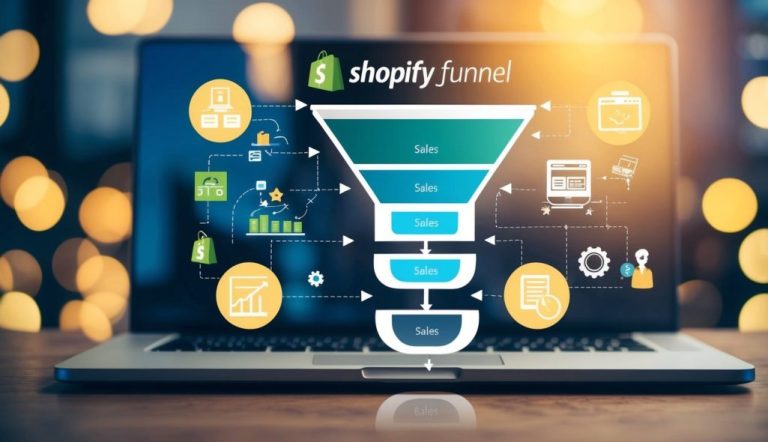
Visualizing the path your customers take can greatly enhance your marketing efforts. A marketing funnel diagram is a tool that breaks down this journey into different stages. The diagram helps you see how customers move from first learning about your product to eventually making a purchase decision. It provides valuable insights on optimizing each stage to increase conversions.

Understanding these stages is crucial. Each part of the funnel plays a role, from grabbing attention with engaging content to nurturing leads until they’re ready to buy.
By using a funnel diagram, you can identify what strategies work best for different stages of the customer journey, making your marketing more effective. If designed well, this can lead to a smoother process that guides more potential buyers down the sales funnel.
Creating a successful marketing funnel diagram doesn’t have to be complex. There are plenty of tools available to help you map this journey, ensuring that you reach your target audience more effectively.
If you’re interested in learning more, online platforms like Visual Paradigm offer templates to get you started.
Key Takeaways
- A funnel diagram is essential for mapping customer journeys.
- Optimizing each funnel stage boosts conversion rates.
- Visual tools simplify creating effective funnel diagrams.
Understanding Marketing Funnels
Marketing funnels map the journey of potential customers from first learning about your business to becoming repeat buyers. You can visualize each step and focus on improving interactions at each stage, increasing conversion and building customer loyalty.
Concept and Purpose
A marketing funnel is a visual tool that illustrates how potential customers interact with your business. Its main purpose is to help you track and improve customer journeys.
Each stage in the funnel narrows as prospects become more likely to convert. This approach lets you identify barriers and opportunities at various points. By doing so, you can enhance marketing strategies.

Funnels often incorporate social media and email campaigns to guide decisions. These tools help nurture leads, boosting their movement toward conversion.
Marketing vs. Sales Funnel
Marketing funnels focus on generating interest and guiding leads towards a purchase. They involve creating brand awareness and engaging potential customers with targeted content and advertisements.
Sales funnels, on the other hand, deal with the actual closing of the sale. They concentrate on addressing specific customer needs and objections with the aim of finalizing a purchase.
While marketing funnels aim to attract and educate prospects, sales funnels push these qualified leads toward completing a transaction.
Stages of the Marketing Funnel
The marketing funnel typically consists of several key stages. These include awareness, interest, consideration, conversion, loyalty, and advocacy.
In the awareness stage, potential customers discover your business through various channels. As they move into the interest phase, they start exploring your products or services.
This leads to the consideration stage, where they weigh options and compare alternatives. Once they decide to buy, they enter the conversion stage.
Post-purchase, building loyalty becomes crucial as you encourage repeat business. Ideally, satisfied customers reach the advocacy stage, where they promote your brand to others, boosting your reach and credibility.
Designing a Marketing Funnel Diagram
Creating a marketing funnel diagram involves understanding crucial components, customizing templates, and utilizing modern software. You can effectively illustrate the customer’s journey while ensuring clarity and simplicity.
Essential Components
A well-designed marketing funnel diagram includes several key components. These typically cover stages like awareness, interest, desire, and action. Each stage represents a step in the customer’s journey, starting from initial contact to final conversion.
Visual elements such as arrows and lines can show the flow from one stage to the next. The use of different colors helps differentiate each part. Icons or symbols can add clarity, making it easier to understand.
Keeping the design simple ensures that the focus remains on the customer’s journey instead of on the complexity of the graphic.
Customizing Templates
Customizing your marketing funnel template allows you to tailor it to specific needs or objectives. Templates can be easily adjusted to fit your brand’s identity.
This could mean changing colors to match your brand palette or rearranging sections to highlight different priorities.
You can include additional stages if your customer journey is more complex. Some online platforms offer free templates that are ready for further customization, such as those from Visual Paradigm.
Modifying these templates lets you build a unique approach that meets your business goals.
Utilizing Software for Diagramming
Using the right software makes designing a funnel diagram more efficient. Tools like Miro, PowerPoint, and Visual Paradigm Online offer a range of features tailored for creating such diagrams.
For example, Visual Paradigm supports real-time collaboration, allowing multiple team members to work together.
You can export diagrams in formats like PNG or PDF for easy sharing.
Software tools simplify the design process with built-in elements and drag-and-drop functionality. This makes it easy to focus on content rather than technical challenges, ensuring a smooth and efficient design experience.
Attracting the Target Audience
Effectively reaching your target audience is crucial in the initial stages of the marketing funnel. Building brand awareness, content marketing, and using paid advertising are key strategies to attract potential customers. Each approach plays a significant role in establishing a strong and compelling presence.
Building Brand Awareness
Creating strong brand awareness is essential to draw potential customers to your business. Begin by ensuring a consistent brand message across all platforms. Branding should reflect your company’s values and mission.
Social media is a powerful tool for increasing brand visibility. Platforms like Instagram, Facebook, and Twitter allow you to engage directly with your audience.
Regularly posting engaging content and interacting with users can significantly boost your brand’s recognition.
Videos and visual content can also enhance brand awareness. Eye-catching visuals draw attention and are easily shareable, helping to widen your reach.
Remember to maintain your branding consistently throughout all multimedia content. This builds a cohesive identity that customers can recognize.
Content Marketing and SEO
Content marketing is your gateway to providing valuable information to your potential customers. This involves creating blog posts, articles, and videos that speak directly to their needs and interests.
To do this well, understand your audience’s pain points and provide solutions through your content.
Incorporate search engine optimization (SEO) practices to improve content visibility.
Optimize keywords, meta tags, and descriptions to enhance your site’s search engine ranking. This increases your chances of being discovered by users who are searching for solutions that your business offers.
SEO-friendly content not only attracts more visitors but also builds credibility. By consistently publishing useful, optimized content, you can establish your authority in your industry.
Paid Advertising Strategies
Paid advertising is a direct method to attract potential customers. Use platforms like Google Ads and social media ads to target your desired audience.
These ads allow you to specify demographics, interests, and behaviors, ensuring your ads reach those most likely to be interested in your products or services.
Paid ads can be featured in various formats, including text, image, and video. Diversifying your ad types can capture multiple audience segments.
It’s important to continually test and adjust your strategies to maximize return on investment.
Using both broad and specific keywords in your ads helps cast a wide net while reaching niche markets.
Effective paid advertising requires time, analysis, and adjustment to ensure it successfully brings in new leads.
Nurturing Leads Through the Funnel
Nurturing leads is a crucial process that transforms interest into actionable engagement. In this section, you’ll explore how effective communication and strategic tactics can guide potential customers from initial awareness to decision-making. Key methods include using compelling messages, well-timed calls to action, and personalized email campaigns.
Effective Messaging and Calls to Action
Crafting messages that resonate with your audience is pivotal. Effective messaging should align with the needs and preferences of your leads.
In the awareness stage, your primary goal is to capture attention with clear and concise statements.
Use calls to action (CTAs) to guide your leads through the stages of the funnel. CTAs should be direct and relevant, encouraging specific actions, like signing up for a newsletter.
A well-placed CTA can significantly boost conversion by turning potential interest into active steps.
Email Marketing and Landing Pages
Email marketing plays an integral role in nurturing leads. By delivering personalized content, you keep leads engaged and informed.
Segment your email list based on the level of interest and tailor messages accordingly. This approach helps ensure that the content is relevant to the recipient’s journey.
Landing pages are another key element. They should be simple and focused, with one primary goal.
Each landing page should align with the message in your emails, reinforcing the calls to action. Ensuring consistency between your emails and landing pages helps maintain the lead’s interest and smooth passage through the funnel stages.
Engagement and Evaluation
Continuous engagement is essential as leads move through the funnel. Use surveys, polls, and interactive content to keep communication active.
Engagement not only builds trust but also provides valuable data on the lead’s journey, helping tailor future interactions.
Evaluation is crucial for measuring success. Analyze metrics like open rates for emails or conversion rates on landing pages.
This data allows you to refine your strategies and improve effectiveness.
Regularly assess how well your tactics encourage movement from the interest stage to the final conversion point.
By evaluating these interactions, you ensure that your methods remain productive and responsive to lead behavior.
Frequently Asked Questions
Marketing funnel diagrams are essential for businesses. They help map out customer journeys and identify key stages in the marketing process.
What are the different stages included in a marketing funnel?
A marketing funnel typically includes stages like awareness, interest, decision, and action. Each stage helps in guiding potential customers from learning about your product to making a purchase.
Some models also include post-purchase stages focused on loyalty and advocacy.
How can I create a marketing funnel diagram using PowerPoint?
To create a marketing funnel diagram in PowerPoint, use the shape and text tools to design funnel layers. Templates for charts can also help.
Begin by sketching out each stage of the funnel and then refine the layout by adding labels and colors.
Where can I find a free template for a marketing funnel diagram?
Free templates for marketing funnel diagrams are available on several websites. A quick search online should lead you to resources like template libraries on platforms used by marketers.
Websites like HubSpot and Canva often have free templates available for download.
In what ways does a sales funnel differ from a marketing funnel?
A sales funnel focuses on converting leads into paying customers, emphasizing the latter stages of decision and purchase.
A marketing funnel, however, is broader and includes actions that generate awareness and interest long before a sale is made. Both serve unique roles in customer engagement.
Can I generate a marketing funnel chart online without cost?
Yes, you can create a marketing funnel chart online for free with various tools.
Websites like Canva or online diagram tools offer free plans with basic features included. These platforms provide drag-and-drop interfaces and pre-built templates to help streamline the process.
What are the key components of the funnel method in marketing?
The funnel method in marketing relies on understanding and optimizing each stage of the customer journey. Key components include audience targeting, content creation for each stage, and metrics to track success. It requires careful planning to move prospects efficiently from awareness to repeat purchases.