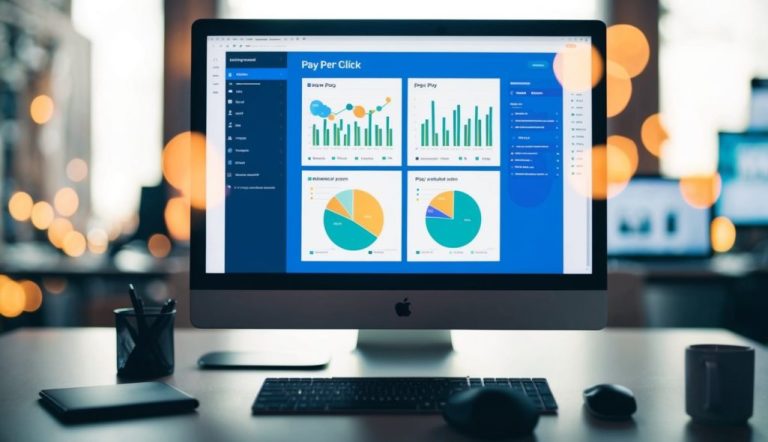
Choosing between content marketing and PPC can be a challenging decision for any business.
Content marketing shines through for its ability to build long-term relationships and cost-effectiveness. It allows you to organically attract an audience by providing valuable information that meets their needs. This approach not only enhances your brand’s reputation but also significantly boosts SEO by creating high-quality content that ranks well in search engines.
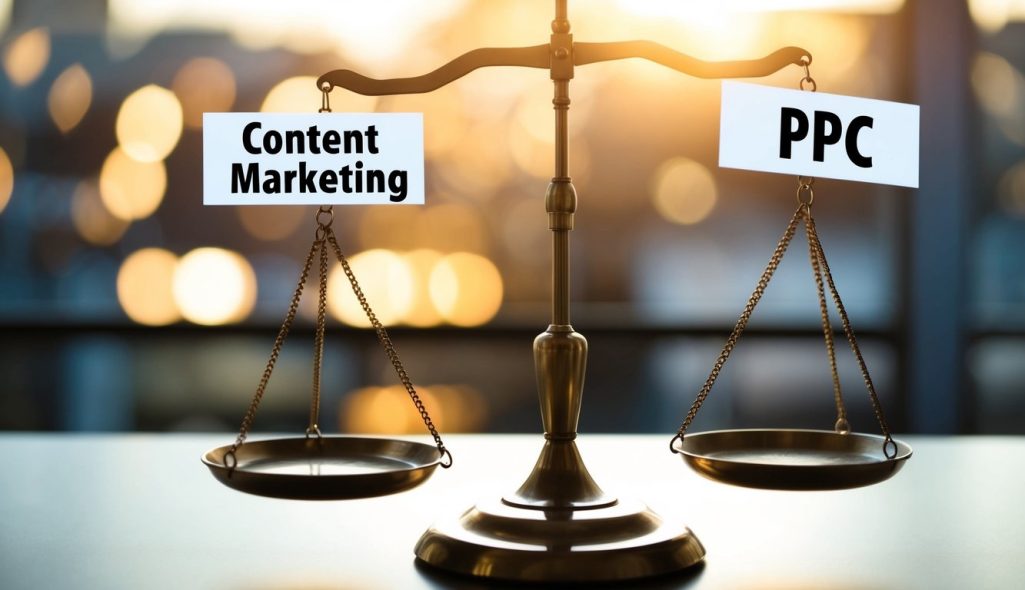
On the other hand, PPC is a powerful tool when you need immediate visibility and results. It places your ads directly in front of potential customers, driving quick traffic to your site. While PPC doesn’t directly improve SEO, it excels at generating rapid awareness and conversion when executed with a clear strategy. The key is to determine which strategy or combination suits your business goals and budget.
Both methods have their pros and cons, but effectively combining content marketing and PPC can maximize your marketing impact. A strong, well-rounded strategy will ensure you reach your audience in different ways, leveraging the strengths of both approaches for overall success.
Key Takeaways
- Content marketing builds long-term relationships and boosts SEO.
- PPC offers quick visibility and rapid awareness.
- Combining both strategies maximizes marketing impact.
Understanding Content Marketing
Content marketing focuses on creating and sharing valuable content to attract and engage an audience. This approach can increase brand awareness and generate organic traffic.
The following subsections will cover what makes content high-quality, the role of SEO, various content formats, and how valuable content engages audiences.
Defining High-Quality Content
High-quality content is crucial in content marketing. It is informative, engaging, and relevant to your target audience. Such content answers questions, solves problems, or entertains. High-quality content often includes well-researched blog posts, interesting videos, and detailed infographics.
Creating this type of content requires understanding your audience’s needs and preferences. It’s important to use a consistent voice and tone that aligns with your brand’s identity. This helps build trust and credibility with your audience. Consistency in publishing and maintaining high standards adds value to your content strategy.
Role of SEO in Content Marketing
Search Engine Optimization (SEO) plays a vital role in content marketing. By optimizing content for search engines, you improve its visibility and organic reach.
This involves using relevant keywords, optimizing meta tags, and ensuring fast page load times.
SEO integrates with content marketing to drive organic search traffic. Tools like Google Analytics help you track performance and adjust your strategy for better results. Knowing what keywords your audience searches for can guide your content production, ensuring that it meets their needs and ranks well on search engines.
Content Formats and Their Impact
Different content formats serve various purposes and audiences. Blog posts are ideal for detailed information and boosting SEO. Videos engage visually and are particularly effective for tutorials and storytelling. Podcasts allow for in-depth discussions and can be consumed while multitasking, making them popular.
Infographics simplify complex information and are highly shareable on social media. Choosing the right format depends on your message and audience preference. Diverse content formats keep your audience engaged and can increase your organic reach by appealing to different consumption habits. Consider combining formats for a comprehensive approach.
Valuable Content: The Heart of Engagement
Valuable content is central to engaging your audience. It should address real problems and needs, offering solutions and insights. This type of content strengthens brand loyalty and encourages sharing. Compelling content prompts readers to interact, whether through comments, shares, or subscriptions.
To produce valuable content, focus on originality and authenticity. Avoid generic topics and delve into your specific industry expertise. Consistent engagement builds a community around your brand, enhancing both visibility and credibility in your niche. Remember, the heart of engagement is delivering content that your audience finds valuable and relevant.
Exploring Pay-Per-Click (PPC)
Pay-Per-Click (PPC) advertising is a method where you pay a fee each time someone clicks on your ad. This approach offers quick visibility and can lead to a high return on investment (ROI).
Basics of PPC Marketing
At its core, PPC marketing involves placing ads in search engine results pages (SERPs) or on various websites. Google Ads is one of the most popular platforms providing this service. It allows you to bid on keywords relevant to your business. When users search for these keywords, your ad may appear.
Your ads can be displayed in various formats, such as text, display, or shopping ads. This enables you to choose the best format for reaching your audience. An infographic or visual ad might be more engaging for certain products or services.
Advantages of PPC Advertising
One major advantage of PPC advertising is its potential for quick results. Unlike organic strategies like SEO, PPC can generate immediate visibility for your business. This increased visibility helps in accelerating lead generation.
PPC is highly measurable, offering detailed analytics on clicks, click-through rates (CTR), and more. These metrics let you evaluate your campaign’s performance effectively. You can easily adjust your strategies to enhance ROI. This ability to target and measure boosts the effectiveness of your ad spend.
Keywords and Targeted Traffic in PPC
Targeting the right keywords is essential for attracting targeted traffic. In PPC, you select keywords that potential customers might use when searching for products or services like yours. This targeting ensures that your ads appear in front of interested prospects.
It’s important to conduct thorough keyword research. Tools can help you identify keywords with high search volume but moderate competition. This strategy maximizes your ads’ success by attracting relevant visitors, increasing the chance of conversions.
Analyzing PPC Conversion Rates
Conversion rates indicate the efficiency of your campaign in turning clicks into actions, like purchases or inquiries. Analyzing these rates helps you understand how well your ads are performing and where improvements are needed.
Key factors affecting conversion rates include ad copy, targeted keywords, and landing pages. A well-structured landing page is crucial, as it needs to engage visitors and encourage them to take action. Regularly reviewing and optimizing your ads and landing pages based on performance data can lead to improved conversion rates and better overall campaign success.
Comparing Content Marketing and PPC
When analyzing content marketing and PPC, focus on how they differ in driving traffic and generating leads. Explore how budget, ROI, and timelines influence decision-making. Evaluate their potential benefits when strategically combined.
Impact on Traffic and Leads
Content marketing and PPC impact traffic and lead generation in distinct ways. With content marketing, you create valuable content that attracts visitors organically. It builds visibility and credibility over time, increasing web traffic and engagement.
In contrast, PPC is a paid strategy that drives immediate website traffic. By paying for ads, you target specific audiences and increase your chances of converting traffic into leads quickly. This short-term approach can boost conversion rates when executed effectively.
Both strategies are useful depending on your goals. If your goal is immediate results, PPC can jump-start traffic. For lasting impact, content marketing will enhance your brand and lead generation over time.
Budget Considerations and ROI
Budget and ROI are crucial when choosing between content marketing and PPC. Content marketing typically has higher upfront costs due to content creation, but it offers long-term benefits without ongoing payments. Once content is published, you can achieve lasting visibility and engagement.
With PPC, you pay for each click or impression, requiring a flexible budget. This can be useful if you need quick results. However, costs can increase if campaigns aren’t managed effectively, affecting your return on investment.
When budgets are limited, consider combining both strategies. Content marketing builds a foundation for brand trust while PPC boosts visibility and engagement in the short term. Weigh the potential sales impact against your budget.
Long-Term vs Quick Results
One key difference between these strategies is the timeline for results. Content marketing focuses on long-term growth. By consistently publishing quality content, you improve search rankings, increase web traffic, and boost trust and credibility.
PPC delivers quick results. It’s an ideal option for short-term promotions, product launches, or temporary boosts in website traffic. Ads can be tailored to reach specific audiences and achieve measurable results rapidly.
Your marketing goals will determine which approach you prioritize. If long-term engagement and brand loyalty are important, invest in content marketing. For immediate lead generation and increased sales, PPC is effective.
Synergies and Strategic Integration
Using content marketing and PPC together can enhance your marketing strategy. Content marketing establishes a robust foundation by building trust and credibility. Meanwhile, PPC accelerates traffic and conversions, guiding potential customers through your sales funnel.
Integrating these strategies allows for cross-channel visibility and retargeting potential. Use PPC to draw attention to high-performing content, boosting its reach and engagement. You can also analyze PPC data to refine your content marketing efforts, ensuring your approach is aligned with customer actions.
Together, these strategies can fulfill diverse marketing goals. Develop a full-funnel marketing strategy to leverage both their strengths, enhancing your brand’s visibility and increasing leads and sales.
Maximizing Impact with Content Marketing
Maximizing the impact of content marketing involves a strategic approach to building brand awareness and leveraging SEO benefits. Enhancing engagement through rich media and tailoring content ideas to different marketing goals further enhances the effectiveness of your marketing efforts.
Building Brand Awareness Through Content
Creating content that resonates with your audience is key to building brand awareness. You can use blog posts, ebooks, and social media posts to share your brand’s story and values. These formats help you connect with your audience emotionally, making them memorable.
By focusing on your buyer persona, you can create content that appeals directly to their interests and needs. Consistency is crucial. Regularly publishing content keeps your brand at the top of your audience’s mind. Incorporate elements of your brand, like logos and trademarks, to reinforce brand identity. Measuring results through engagement metrics helps you understand what works and refine your strategy for continuous improvement.
SEO Benefits of Content Marketing
Content marketing is essential for improving search engine rankings. By using keywords related to your industry and audience, you can increase visibility on search engines. Blog posts are particularly effective in incorporating these keywords naturally.
High-quality content attracts backlinks, which are important for SEO. These links act as endorsements, telling search engines that your content is valuable. Besides text, you can enhance SEO with images, infographics, and videos, which also engage users.
Regularly updating your content ensures relevance, which search engines favor. Pay attention to user experience, as page loading speed and mobile optimization also affect rankings. This strategy results in compounding benefits, where the impact grows over time.
Enhancing Engagement with Rich Media
Rich media is a powerful tool for boosting audience engagement. Videos, infographics, and interactive content capture attention and encourage sharing.
Video content, such as interviews or behind-the-scenes clips, can convey complex ideas quickly and entertainingly. Infographics simplify data and statistics, making them easier to understand and more likely to be shared on social media. Interactive content, like quizzes and polls, invites participation and fosters a sense of community.
Combining these formats with a clear call to action can guide your audience further along the buyer’s journey. Engaging content often leads to better public relations and customer loyalty.
Content Ideas for Different Marketing Goals
Different marketing goals require varied content strategies. For brand awareness, focus on content that tells your brand’s story and highlights what sets you apart.
For lead generation, consider offering downloadable resources like ebooks or webinars that provide value in exchange for contact information. If the goal is customer retention, create case studies and success stories to show the benefits of your products or services. Use social media posts to maintain communication and share updates.
Tailor your content to fit different stages of the buyer’s journey, ensuring the right message reaches the right audience at the right time. Keeping your objectives clear helps in crafting content that achieves measurable results.
Optimizing PPC for Maximum ROI
To maximize ROI in PPC advertising, focus on crafting a strong strategy, effectively using retargeting, managing your budget wisely, and optimizing for conversions. These steps ensure that your PPC efforts drive valuable traffic and boost your bottom line.
Crafting Effective PPC Advertising Strategy
Creating a successful PPC strategy requires understanding your audience and crafting targeted ads that speak to their needs.
Use keywords wisely by conducting thorough research to select the most relevant terms. This step increases your click-through rates and attracts more targeted traffic.
Employ different ad formats like search ads and display ads. Each serves a unique purpose in your sales funnel.
For instance, a search ad can capture intent-driven traffic, while display ads can build brand awareness.
Regularly test and refine ad copy to find what resonates best with your potential customers. By continuously optimizing your ads, you ensure they remain relevant and cost-effective.
Leveraging Retargeting and Display Ads
Retargeting is a powerful tactic to re-engage users who’ve shown interest in your products but haven’t completed a purchase.
By tracking past visitors, you can serve them with personalized ads that encourage customer action.
Display advertising extends your reach with visually engaging ads. Utilize display ads to target new audiences on websites and social media platforms.
These ads keep your brand in mind, increasing the likelihood of conversions.
Combine retargeting with display ads for a synergistic effect, enhancing your overall marketing efforts. This blend helps in maintaining a strong presence across multiple channels.
Budget Allocation and Cost Management
Effective budget management is crucial to maximizing ROI.
Start by setting a clear budget that aligns with your marketing goals. Then, monitor your cost-per-click (CPC) and adjust bid amounts based on performance.
Use automated bidding strategies in platforms like Google Ads to optimize costs without manual intervention. This approach ensures you get the most value within your marketing budget.
Regular analysis of spending patterns helps identify areas for adjustment. By reallocating funds to better-performing ad groups, you can improve your overall campaign effectiveness.
Conversion Optimization in PPC Campaigns
Achieving high conversion rates is a key indicator of successful PPC campaigns.
Focus on tailoring landing pages to match the intent and message of your ads.
Use A/B testing to evaluate different elements like headlines, calls to action, and layouts. This method helps identify which combinations yield the highest conversions.
Leverage conversion tracking tools to measure customer actions accurately. Understanding which ads drive the most engagement allows you to tweak your strategy for optimal results.
By prioritizing conversion optimization, you enhance both your PPC performance and return on investment.
Content Marketing and PPC in the Digital Landscape
To succeed in today’s digital landscape, it is essential to understand how content marketing and PPC can work together. Using both strategies effectively can boost brand awareness, drive traffic, and improve engagement. The sections below explore different ways to leverage these methods in your marketing strategy.
The Role of Social Media Platforms
Social media platforms like YouTube and Facebook play a significant role in both content marketing and PPC campaigns. They offer unique opportunities for targeting and engaging with your audience, allowing you to tailor your message to specific demographics.
High-quality content, such as engaging videos and well-crafted social media posts, can enhance your brand’s visibility and credibility.
By using these platforms wisely, you can create a strong presence that attracts and retains customers.
PPC on platforms like Google Ads allows you to reach broader audiences quickly. It can boost immediate visibility and drive targeted traffic to your site. Balancing organic content and paid ads helps you achieve a dynamic online presence.
Integration with Other Marketing Channels
Integration means combining content marketing and PPC with channels like email marketing and SEO. You can enhance your digital marketing strategies by creating a cohesive brand message that spans multiple platforms.
For example, you can use PPC to drive traffic to high-quality blog posts or guest blogging articles on third-party websites. This strategy not only improves website traffic but also boosts your organic search rankings over time.
SEO techniques can further enhance these efforts by ensuring your content ranks well in search results. This holistic approach maximizes the reach and impact of your marketing efforts. A unified strategy provides more consistent and effective communication with your audience.
Adapting Strategies for the Buyer’s Journey
Adapting your strategies to match the buyer’s journey ensures that your content and ads are relevant and timely.
During the awareness stage, focus on creating brand awareness through social media posts and informative articles.
As potential customers move into the consideration stage, PPC can be used to drive them to in-depth content that answers their questions and addresses their needs. This tactical approach assists in guiding prospects down the funnel.
Finally, at the decision stage, targeted ads and strong calls to action can convert browsers into buyers. By tailoring your approach to each stage, you create a seamless journey that supports customer needs and builds trust.
Longevity and Sustainability in Digital Marketing
Longevity in digital marketing arises from creating sustainable strategies that withstand changing trends.
Content marketing delivers value over time by building trust and lasting relationships through organic content.
PPC provides immediate benefits and boosts visibility, but combining it with content marketing can create a balanced and enduring approach. This strategy results in long-term brand growth and recognition.
To sustain success, focus on consistently delivering valuable content and refining your advertising tactics. Adapting to market changes while maintaining a clear and consistent message ensures your marketing efforts remain effective and relevant.
Frequently Asked Questions
Choosing between content marketing and PPC can be complex. Each approach offers benefits and risks concerning traffic, ROI, and audience engagement. Understanding these differences will help you make better marketing decisions.
How do content marketing strategies impact organic traffic compared to PPC campaigns?
Content marketing focuses on creating valuable content that brings in organic traffic over time. It enhances search engine positioning, leading to increased visibility.
PPC campaigns, meanwhile, generate traffic rapidly through paid ads, but this traffic stops when the ads end.
What are the long-term ROI differences between content marketing and PPC?
Content marketing typically offers a higher long-term ROI. Once established, high-quality content continues to attract traffic without ongoing costs.
PPC requires continuous funding to maintain traffic, making it potentially costly long-term. Content marketing builds assets that can provide returns indefinitely.
In what ways do content marketing efforts complement PPC advertising?
Content marketing enhances PPC by establishing trust and spreading brand awareness. A strong content base supports PPC strategies by engaging users who want to learn more after clicking ads. This combined effort leverages both approaches for optimal results.
Can content marketing alone drive sufficient leads compared to PPC?
Content marketing can generate leads efficiently, but it often requires more time. It builds a strong foundation that attracts leads through organic search.
PPC is better for immediate lead generation, making them effective when used together.
How does audience engagement differ between content marketing and PPC strategies?
Content marketing fosters deeper engagement by providing valuable articles, videos, or infographics. It encourages audience interaction and loyalty.
PPC often leads to quick engagement through click-throughs, but longer-term retention typically stems from thorough, quality content.
What are the main cost considerations when choosing between content marketing and PPC?
Content marketing involves initial expenses for content creation and distribution. It also has ongoing but typically lower costs as the content becomes self-sustaining. On the other hand, PPC requires ongoing payments and budgets for ad campaigns. Additionally, costs may rise with competition and bidding strategies.