Sales funnels for restaurants are a strategic tool to guide potential customers through a deliberate journey, ultimately converting them into loyal patrons. Understanding each stage of the funnel, from building awareness to nurturing and converting leads, can dramatically increase your restaurant’s revenue.
The process involves attracting new visitors, engaging them effectively, and ensuring they return for future visits.
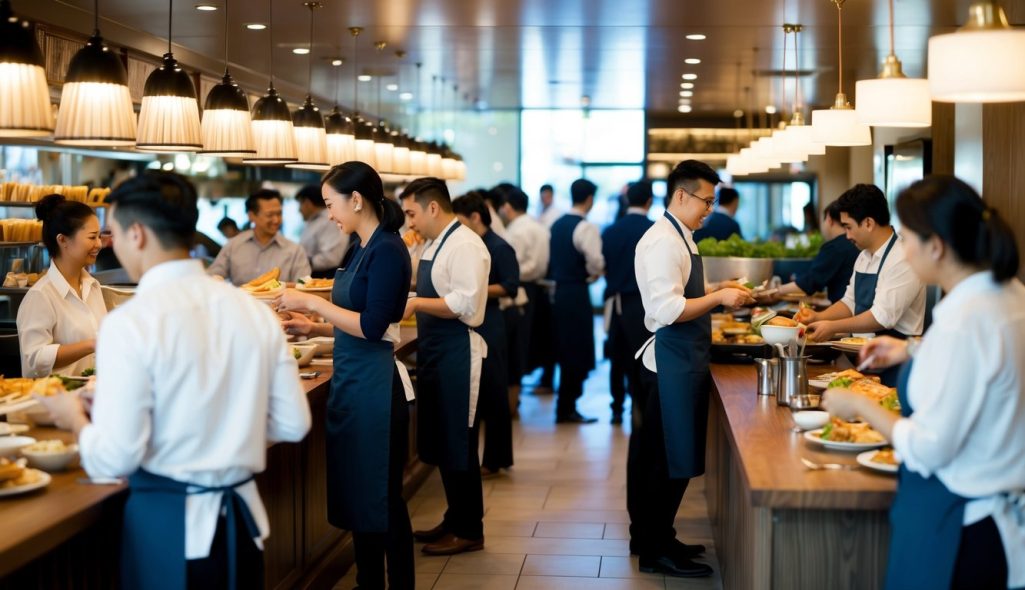
Building a strong sales funnel requires focusing on every step of the customer journey. This includes creating brand awareness, engaging potential customers, and converting them into paying guests.
Consistent engagement, whether through digital marketing or personalized communication, plays a crucial role in nurturing these relationships.
At the core of a successful sales funnel is the ability to cultivate customer loyalty and leverage feedback. By offering excellent service and collecting feedback, your restaurant can refine its efforts and maximize growth.
This approach not only boosts immediate sales but also ensures repeat business and strong word-of-mouth recommendations.
Key Takeaways
- Effective sales funnels increase restaurant revenue.
- Focus on customer journey and consistent engagement.
- Cultivate loyalty for repeat business and referrals.
Understanding Restaurant Sales Funnels
A restaurant sales funnel guides potential customers from the first interaction to becoming regular patrons. It breaks down the steps of a customer journey into distinct stages, making it easier for you to build effective marketing strategies.
-
Awareness Stage: At this point, your goal is to attract attention. This can be achieved through social media, ads, or engaging content. Your aim is to inform potential customers about your restaurant.
-
Interest and Evaluation: Here, you provide more details about your offerings. Share menu highlights, customer testimonials, or special deals to keep interest alive. This is crucial in shaping the buying journey.
-
Decision Stage: Your customers are now considering where to dine. Offer compelling reasons to choose your restaurant, such as exclusive offers or loyalty programs. Your aim is conversion—turning interest into action.
-
Post-Purchase: After dining, maintain engagement. Encourage feedback or reviews. Offering a discount for future visits can help transform new customers into loyal ones.
Building a successful sales funnel requires understanding each step of your restaurant sales funnel. Tailor your approach to match your audience’s needs at every stage, from awareness to decision. This ensures your marketing efforts align with your audience’s customer journey.
Building Awareness for Your Restaurant
Creating a strong online presence is crucial for attracting new customers. It’s important to engage with your target audience through various digital platforms. Focus on building brand awareness by leveraging social media, optimizing for SEO, and using online directories.
Leveraging Social Media
Social media is a powerful tool for building awareness. Platforms like Instagram, Facebook, and TikTok allow you to connect with your target audience.
Share engaging content, such as photos of your dishes, behind-the-scenes videos, and special promotions. Consistency is key to maintaining interest and growing your following.
Engage with your followers by responding to comments and messages. Run contests or giveaways to encourage interaction. Partnerships with local influencers can also expand your reach.
Use relevant hashtags to improve your visibility and attract new followers. Monitoring social media analytics helps you understand what content resonates with your audience.
Maximizing SEO and Local SEO
Search Engine Optimization (SEO) is essential for increasing your restaurant’s visibility online. Local SEO is particularly important as it helps your restaurant appear in local search results.
Start by optimizing your website with relevant keywords related to your cuisine, location, and unique offerings.
Ensure your site is mobile-friendly and fast-loading. Use tools like Google My Business to manage your online presence and improve your local search rankings.
Encourage satisfied customers to leave positive reviews, as these can boost your search rankings. Regularly update your website with fresh content to keep it relevant.
Utilizing Online Directories
Being listed in online directories can significantly boost your restaurant’s visibility. Platforms such as Yelp, TripAdvisor, and Google Maps are popular choices.
Ensure your restaurant’s information is accurate and consistent across all directories to avoid confusion and boost credibility.
Include details like your address, phone number, hours of operation, and menu. Add photos of your restaurant and dishes to attract potential customers.
Take advantage of features offered by these directories, like special promotions or reservation links. Regularly check your listings to maintain accuracy and address any feedback or questions promptly.
Engaging with Online Reviews
Online reviews can greatly influence potential customers’ decisions. Engaging with reviews, both positive and negative, demonstrates that you value customer feedback.
Respond to positive reviews by thanking the customer and highlighting any specific compliments. This can foster customer loyalty and encourage repeat visits.
For negative reviews, address the issues raised politely and professionally. Offer a solution or invite the customer to contact you privately to resolve the matter.
This shows prospective customers that you care about satisfaction. Monitoring review platforms helps you stay informed about customer opinions and identify areas for improvement.
Capturing Potential Customer Information
To effectively capture customer information, you need to focus on building a dynamic landing page that engages visitors and encourages them to share their details. Offering incentives like discounts or exclusive deals can significantly enhance your chances of collecting valuable contact data.
Creating an Effective Landing Page
Your landing page is crucial for gathering customer contact information. It should have a clean design and a clear call-to-action (CTA).
Make sure the CTA is prominent, with concise text like “Subscribe Now” or “Get 10% Off.”
Use bullet points to outline benefits quickly. A brief form that asks for essential details, such as name and email, can increase sign-ups.
Testimonials and customer reviews can add credibility, persuading visitors to share their information.
Ensure that the page loads quickly and is mobile-friendly, as many users will access it on their phones. Optimize images and minimize clutter for a smooth user experience.
Offering Incentives for Information
Incentives can be a powerful motivator for customers to provide their information.
Offering exclusive discounts, time-sensitive offers, or free items can make sharing details more appealing.
Consider a loyalty program where customers earn points for signing up. You might also offer a free appetizer or drink for those who join your mailing list.
Highlight these offers prominently on your landing page. Clearly state how customers will benefit by signing up, and ensure they understand what they can expect in return.
Time-sensitive deals, like a discount valid for 48 hours, create urgency. This encourages immediate action, increasing the likelihood of customers providing their information quickly.
Engaging and Nurturing Leads
To nurture and engage leads effectively, focus on personalized communication and strategic technology use. Keep leads engaged through targeted email and SMS marketing. Automation tools can also streamline these efforts.
Effective Email Marketing Strategies
Email marketing is a powerful tool for keeping your restaurant at the forefront of customers’ minds.
Create targeted email campaigns that offer discounts, share new menu items, and encourage repeat visits.
Personalization is key. Use customer data to tailor messages to specific interests.
Consider remarketing efforts by sending exclusive offers to loyal customers or those who haven’t visited in a while.
Tools like GoHighLevel, Systeme.io, and Kajabi can help automate these efforts, ensuring timely delivery.
To optimize open rates, craft compelling subject lines and make sure your emails are mobile-friendly.
Implement a loyalty program that rewards frequent customers and mention it in your emails to increase engagement.
Personalized SMS Marketing
SMS marketing reaches customers directly and is highly effective due to its immediacy.
Personalize messages by addressing the customer by name and offering exclusive deals.
These messages could include limited-time offers or special birthday discounts to foster a personal connection.
Ensure the timing of SMS messages aligns with customer behavior. For instance, send a prompt during lunch hours if your data indicates customers tend to dine then.
Use tools like ClickFunnels 2.0 to track and refine your SMS campaigns.
Respect privacy and provide an easy opt-out option. This keeps you compliant with regulations and enhances the customer’s trust in your restaurant.
Using Automation Tools
Automation helps you manage multiple marketing tasks efficiently, saving time and resources.
Tools like Systeme.io and Kajabi allow you to automate email and SMS campaigns, ensuring timely communication.
Set up automated responses for new sign-ups or inquiries to start engaging with leads immediately.
Maintain interaction throughout the marketing funnel with automated follow-ups that keep leads moving toward becoming paying customers.
Integrate these tools with your existing systems for a seamless experience. Automation can also manage your loyalty program, sending rewards automatically to keep customers returning without manual intervention.
Converting Leads into Customers
Turning potential customers into loyal patrons is key for growing your restaurant’s business. This involves creating attractive offers and using promotions with set deadlines to encourage quicker decisions.
Creating Compelling Offers
To attract attention, you should focus on making offers that stand out and appeal to your target audience.
A compelling offer can be a special dish, a unique dining experience, or an attractive discount for first-time visitors.
Personalization is crucial; consider what would most likely entice your specific clientele.
For example, families might appreciate a kids-eat-free night, while young professionals may prefer combo deals on trendy cocktails and appetizers. Using coupons can also spark interest and encourage visits.
Conversion rates improve when your offer feels valuable and enticing. Communicate clearly what the offer is and how it works. Use eye-catching visuals and clear text to highlight the benefits.
Implementing Time-Limited Promotions
Time-limited promotions harness the power of urgency to boost conversions. When you set a short time frame on a promotion, like a weekend-only special, it encourages customers to act fast.
A strong sense of urgency can push hesitant customers to make decisions more quickly.
Limited-time offers could include a weekend brunch discount or a special holiday menu.
Make sure to advertise these promotions through multiple channels: social media, email newsletters, and on your restaurant’s website.
Emphasize the short-lived nature by using phrases like “ending soon” or “limited availability.” This strategy increases excitement and draws attention, leading to better conversion rates.
Keep tracking the success of each promotion to refine future campaigns.
Cultivating Customer Loyalty and Repeat Business
Building a loyal customer base is crucial for sustained success in the restaurant industry. By implementing effective strategies, you can encourage repeat business and transform customers into brand advocates.
Developing a Robust Loyalty Program
Creating a strong loyalty program is a powerful way to keep customers coming back.
Offer rewards that are meaningful and relevant to your guests, such as discounts, free items, or exclusive perks. You might consider using software like ClickFunnels to streamline the process.
Engaging with members of your loyalty program can boost customer engagement.
Regular communication through personalized emails can remind them of their rewards and upcoming promotions. This establishes a connection that makes them feel valued and encourages repeat visits.
Organizing Exclusive Events and Offers
Hosting exclusive events or offering special promotions can significantly enhance customer loyalty.
You might organize themed dining nights, cooking classes, or tasting events.
Such exclusive events create a sense of community and make customers feel special.
Incorporate these offerings into your marketing funnel by promoting them through digital channels, such as your website or social media.
This not only attracts attention but also creates word-of-mouth buzz. Regularly presenting your customers with unique experiences keeps them engaged and encourages repeat business.
Fostering Community through Social Media
Social media is a key tool for fostering community and engaging with your customer base. Use platforms like Instagram, Facebook, and Twitter to share engaging content, including behind-the-scenes looks or customer spotlights.
Creating interactive content, such as polls, contests, or live videos, encourages customer interaction and builds a sense of belonging. This boosts customer engagement and strengthens your restaurant’s presence online, turning casual followers into loyal customers.
Active social media engagement helps you understand your audience better. This allows you to tailor offers and experiences that meet their expectations. This approach not only retains repeat customers but also attracts new ones by showcasing your brand’s community-focused ethos.
Leveraging Customer Feedback and Referrals
Gathering feedback and encouraging referrals can significantly boost your restaurant’s reputation and reach. By focusing on improving the customer experience and encouraging loyal patrons to share their positive experiences, you can enhance your marketing efforts.
Encouraging Online Reviews and Feedback
Online reviews play a crucial role in shaping your restaurant’s image. Encourage your customers to leave positive reviews on platforms like Google and Yelp by providing excellent customer service. Offer small incentives, such as a free drink on their next visit, to motivate them.
Monitoring feedback helps you understand what your customers love and what needs improvement. Respond to both positive and negative reviews to show you value customer opinions. This not only builds trust but can also improve your search rankings.
Use tools to manage and analyze feedback effectively. This can help you identify trends, such as common customer complaints or praise, and take necessary actions to enhance the overall customer experience.
Creating a Referral Program
A well-designed referral program can be a powerful marketing tool. Encourage satisfied customers to refer friends by offering rewards like discounts or free meals. Make the process easy by providing referral codes or links that customers can share.
Communicate the benefits of referrals clearly to your customers. Let them know how they and their friends can benefit. Consider creating a tiered reward system to motivate both the referrer and the new customer to keep coming back.
Track the success of your referral program by measuring metrics such as the number of referrals and conversion rates. Adjust the incentives and marketing strategy as needed to make sure the program continues to attract new customers and retain existing ones.
Maximizing Business Growth and Revenue
To boost sales and increase revenue, restaurants need to focus on effective advertising and the overall dining experience. Both targeted advertising and a well-optimized dining environment are crucial in attracting and keeping customers.
Expanding through Targeted Advertising
Using targeted advertising can significantly boost your restaurant’s visibility and attract the right customers. By focusing on specific demographics, you can craft personalized ads that highlight your unique selling points and menu options. This means you should identify your ideal customer base and tailor your marketing strategy to appeal to their preferences.
Online platforms offer tools for creating targeted ads based on factors like age, location, and interests. For example, social media platforms allow you to promote your unique dishes to potential customers who are nearby. By showcasing popular menu items and promotions, you encourage more visits and increase sales. This approach ensures your marketing dollars are spent efficiently, achieving a strong return on investment.
Optimizing the Dining Experience
Enhancing the dining experience is key to maximizing business growth and customer satisfaction. Start by focusing on your restaurant’s ambiance, service quality, and menu design. Create a warm and welcoming atmosphere that encourages patrons to return. Pay attention to details like lighting, music, and decor to craft a memorable environment.
Train staff to provide excellent service, ensuring guests feel valued and appreciated. A unique menu that caters to diverse tastes can also be a significant draw. By offering special dishes or unique culinary experiences, you build customer loyalty and encourage repeat visits. A satisfied customer is more likely to recommend your restaurant to others, further increasing your revenue.
Digital Marketing Techniques for Restaurants
To attract customers and improve your restaurant’s presence, you should use digital marketing strategies. These can include content marketing to engage your audience and geofencing for targeted local advertising.
Harnessing the Power of Content Marketing
Content marketing is a key method to engage and attract customers. Create high-quality content like blog posts, videos, and photos to showcase your restaurant’s unique offerings. Use social media to share this content and interact with your audience, increasing your website traffic.
Incorporate storytelling to make your restaurant memorable. Highlight special events or behind-the-scenes glimpses of your kitchen. This can strengthen connections with potential patrons.
Leveraging online ordering can further enhance customer interaction. By promoting your online services through content marketing, you cater to convenience-seeking customers. By focusing on these strategies, you’ll effectively attract new customers and retain existing ones.
Geofencing for Localized Promotions
Geofencing allows you to target customers based on their location. By setting virtual boundaries around your restaurant, you can send promotions or ads directly to customers’ devices when they enter the area. This form of local advertising is precise and effective.
Use geofencing to offer timely discounts or special menus to nearby users, enticing them to visit your restaurant. Experiment with different promotions to see which attract the most interest.
With this method, you’re not just getting your restaurant noticed; you’re engaging with customers when they’re most likely to visit. It’s a highly effective marketing technique for increasing foot traffic and boosting sales.
Frequently Asked Questions
Sales funnels for restaurants play a crucial role in guiding potential customers from initial awareness to becoming loyal patrons. Each step of the funnel can contribute to increased sales and customer retention when done effectively.
What are the key components of an effective restaurant sales funnel?
An effective sales funnel usually includes stages like awareness, interest, decision, and action. Each stage serves a specific purpose, such as attracting potential customers, engaging them with special offers, or encouraging them to make a reservation.
How can a sales funnel increase a restaurant’s profitability?
A well-designed sales funnel can boost profitability by maximizing customer engagement and improving retention. It helps in targeting marketing efforts more efficiently and ensuring that potential customers are converted into loyal, repeat diners.
What are common mistakes to avoid when designing a sales funnel for a restaurant?
Some common mistakes include not clearly defining each stage of the funnel, ignoring customer feedback, or failing to integrate online and offline marketing efforts. Avoiding these pitfalls can lead to better customer experiences and higher conversion rates.
Can you recommend strategies to optimize conversion rates at each stage of a restaurant sales funnel?
Personalized marketing, regular engagement through social media or email, and exclusive offers can optimize conversion rates. Ensuring a smooth reservation and ordering process enhances customer satisfaction, encouraging them to progress through the funnel stages.
How does a digital sales funnel differ from a traditional one in the restaurant industry?
Digital sales funnels leverage online platforms like social media and email to reach potential customers. They often use data analytics to track customer behavior and preferences, which can offer insights for targeted marketing strategies, unlike traditional funnels which might rely on in-person interactions.
What metrics are most important for tracking the success of a restaurant’s sales funnel?
Key metrics include conversion rates at each stage, customer acquisition cost, average revenue per customer, and customer retention rate. These metrics help assess the funnel’s effectiveness and make data-driven improvements to the strategy.