Selling insurance involves guiding potential customers from first learning about your services to finally purchasing a policy. This journey can be visualized with an insurance sales funnel template. By mastering each stage of this template, you can boost your sales conversion and create lasting client relationships.
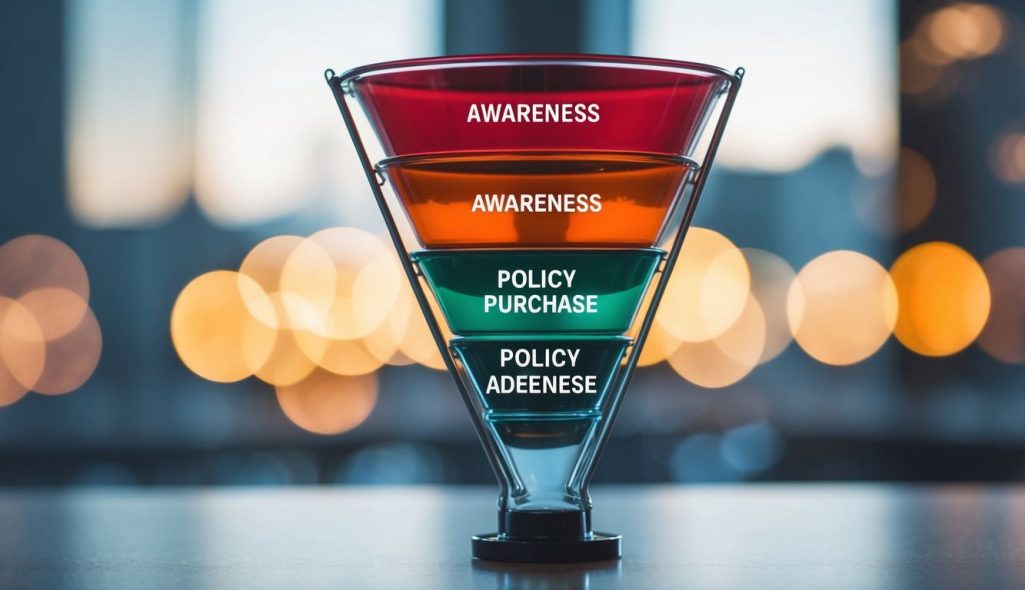
At the top of the funnel, it’s all about creating awareness and catching interest. You’ll want to define your target audience and tailor your marketing efforts to their needs. This stage sets the foundation for the rest of the funnel by ensuring you engage the right prospects.
Moving down the funnel involves nurturing leads into making decisions. This is where you provide detailed information, answer questions, and offer personalized guidance. The ultimate goal is to turn these interested prospects into satisfied customers who feel confident in their choice.
Key Takeaways
- Master each stage of the sales funnel for better conversion.
- Define and engage your target audience effectively.
- Guide prospects with personalized information and support.
Understanding the Insurance Sales Funnel
An insurance sales funnel guides potential customers through awareness, interest, desire, and action stages. It helps insurance businesses attract, engage, and convert leads into clients by understanding each step of the customer journey. This funnel helps make marketing strategies more efficient and effective.
The Importance of Sales Funnels in Insurance
Sales funnels are crucial in the insurance industry because they help you outline the path a potential customer takes until they purchase. By focusing on each stage of the funnel, you can tailor marketing efforts to meet customer needs.
For example, during the awareness stage, using advertisements and content that educate about insurance can capture attention. As potential customers move to the interest and desire phases, personalized interactions and product demonstrations can build trust. Ultimately, guiding them toward action with clear calls to action, like a consultation or quote request, seals the deal.
Effective funnels also help you analyze where prospects might drop off, allowing you to adjust your approach to improve conversion rates. They make your marketing more targeted and reduce wasted resources on uninterested leads.
The Anatomy of an Effective Sales Funnel
An effective insurance sales funnel usually follows the AIDA model: Awareness, Interest, Desire, Action. Awareness is where potential customers first learn about your services. Here, use broad-reaching tactics like online ads and social media to capture attention.
In the Interest stage, offer more detailed content, like blog posts and webinars, to educate prospects. As they develop Desire, focus on personalizing the experience. Email campaigns and targeted offers can help demonstrate value and create a sense of need.
Finally, the Action stage is where the customer decides to purchase. Make this step easy with clear instructions or incentives. An effective funnel ensures that each stage works seamlessly to convert prospects into loyal clients.
Setting the Stage: Top of the Funnel
The top of the funnel focuses on creating awareness and attracting potential customers. This part of the insurance sales funnel is crucial for reaching a wider audience and engaging them in the initial stages of their journey.
Creating Awareness with Targeted Ads
At the top of the funnel, creating brand awareness is key. Using targeted ads can effectively reach your specific target audience. Platforms like Google Ads and Facebook allow you to focus on specific demographics based on age, interests, and online behavior.
Paid advertising can increase product awareness by placing your brand in front of the right people. Design your ads to be visually appealing and aligned with your brand message. Keeping track of ad performance metrics will help you adjust your strategies and refine your approach to maximize engagement and drive interest.
Utilizing Digital Marketing to Attract Prospects
Digital marketing plays a vital role in attracting prospects during the awareness stage. Create a strong online presence through methods like search engine optimization (SEO), social media marketing, and content marketing. Enhancing your website’s content with relevant keywords helps you appear in search results, attracting more visitors.
Social media platforms are excellent for engaging with potential customers and generating interest. Provide valuable content that answers common questions or solves problems they might face. Encourage interaction by asking questions or running polls, which helps build a community around your brand and promotes product awareness.
Educational Content and Webinars for Engagement
Engaging with prospects through educational content is effective in the top of the funnel. Providing informative articles, tutorials, or guides on your website positions your brand as a trusted resource. This type of content should address the needs and pain points of your target audience.
Hosting webinars is another excellent way to engage potential customers early in their journey. Webinars offer in-depth information and allow for real-time interaction. They present an opportunity to showcase your expertise, answer questions, and provide solutions tailored to your audience’s needs, reinforcing trust and building relationships that can lead to future sales.
Cultivating Interest: Middle of the Funnel
In the middle of the funnel, your goal is to engage potential clients by building a relationship through valuable content. Focusing on strategies like email marketing, optimizing landing pages, and using lead magnets can help you capture leads and foster interest.
Developing Connection Through Email Marketing
Email marketing is key to nurturing relationships. Regularly sending tailored content helps build trust and maintain interest. Segment your audience to ensure personalized messaging. Each email should offer value, such as tips or industry updates.
Using automated sequences can keep your audience engaged without extra effort. Make sure emails encourage interaction, like replying for more information. This encourages a direct connection, helping build stronger relationships with potential clients.
Optimizing Landing Pages for Lead Capture
Landing pages play a crucial role in the middle of the funnel. They need to be designed to capture leads effectively. Use clear headings, concise text, and strong calls-to-action that direct visitors to take the next step. Make sure forms are easy to fill out.
Visuals should support your message without distracting. Testing different layouts or headlines can show what works best. By optimizing landing pages, you make it easier for visitors to become leads, moving them further along the funnel.
Offering Value with Lead Magnets and Content
Lead magnets are essential for attracting and capturing interest. They are free resources offered in exchange for contact information. Examples include eBooks, checklists, or webinars. Choose something that provides real value to your audience.
Think about your audience’s needs when creating lead magnets. The content should solve a problem or provide insight. Once they see the value, they’re more likely to stay engaged with your brand. This is a key step in moving them toward a purchase decision.
Decision Making: Bottom of the Funnel
At the bottom of the funnel, the focus is on facilitating the decision process, using real-world experiences to build trust, and guiding potential clients with targeted actions and incentives. This stage is crucial for converting prospects into buyers and finalizing the purchase of an insurance policy.
Facilitating the Decision Process with Information
Providing clear and detailed information is key at this stage. You should offer potential clients specific details about insurance policies, including coverage options, costs, and benefits.
Use comparative tables that highlight the pros and cons of different policy features. This helps prospects easily understand what they are getting. Real-time assistance, like chat support, can clear up any questions and make the decision-making process smoother.
Providing updated case studies and examples also helps. These show how others have benefited from similar policies, making it easier for prospects to decide. Ensure the information you provide is easily accessible and presented in a way that leads to quick decision-making.
Using Case Studies and Testimonials to Build Trust
Trust is vital at the bottom of the funnel. Use case studies to show how your insurance solutions have benefited others in real-world scenarios. These stories should be relevant to the prospect’s situation to make them more relatable.
Customer testimonials are another powerful tool. Display these on your website with the client’s permission, making them visible where prospects are likely to seek assurance. Testimonials and positive reviews increase conversion rates by building confidence that others have had satisfactory experiences.
In some cases, ask existing clients for referrals. Prospects trust reviews from people they know more than other marketing materials. Combining these elements can significantly improve the chances of closing a sale.
Guiding with Call-to-Actions and Discounts
Effective calls-to-action (CTAs) help guide prospects toward making a decision. Use CTAs like “Get Your Quote Now” or “Schedule a Consultation” to prompt immediate action. It’s important to place these calls-to-action strategically on your website and marketing materials.
Offering discounts and limited-time offers can create a sense of urgency. Prospects who are hesitant might be swayed by the benefit of saving money. Highlighting these in your communications can encourage quicker decisions.
Use phrases that convey urgency, like “limited-time discount” or “offer ends soon.” These strategies, combined, can effectively guide potential clients from considering to committing to an insurance policy.
Finalizing the Sale: Conversion Strategies
Finalizing the sale in an insurance sales funnel involves converting leads efficiently. This process includes effective techniques for conversion, increasing conversion rates through A/B testing, and utilizing email sequences and retargeting ads.
Effective Techniques to Convert Leads
To convert leads, focus on creating urgency and offering personalized interactions. Highlight time-sensitive offers or exclusive deals to encourage quicker decision-making. Personalize your approach by understanding the specific needs and concerns of each lead. Address any objections clearly, providing detailed answers to reassure them.
Another key tactic is social proof. Share testimonials and success stories from satisfied clients. These help build trust and demonstrate the value of your insurance products. Building a strong relationship with leads increases the likelihood of conversion. Communicate regularly and be responsive to their questions or concerns.
Increasing Conversion Rates with A/B Testing
A/B testing is crucial for optimizing conversion rates. Start by identifying elements to test, such as headlines, call-to-action buttons, or landing page layouts. Change one element at a time to determine what works best. Measure results based on metrics like click-through rates or completed sign-ups.
Ensure you run tests for a significant period to gather enough data for reliable insights. Use the findings to refine your approach, implementing the most effective strategies across your campaigns. Consistent testing and adjustment lead to greater efficiency in converting prospects.
Email Sequences and Retargeting Ads
Utilize email sequences and retargeting ads to guide potential clients toward making a purchase. Create email campaigns that provide valuable information, address pain points, and emphasize benefits of your insurance products. Send emails at regular intervals, nurturing the lead over time.
Retargeting ads serve as gentle reminders for leads who have previously shown interest. Use these ads on platforms like social media to stay in front of potential clients. Keep the messaging consistent with your email content, ensuring it aligns with what you’re trying to convey in your overall strategy. This approach keeps your insurance offers top of mind, increasing the chances of a successful conversion.
Nurturing and Retention: After the Sale
To maintain strong ties with customers after a sale, it’s crucial to focus on consistent engagement and effective retention strategies. Using loyalty programs and top-notch customer service helps keep relationships positive and encourages repeat business.
Fostering Customer Relations and Engagement
Building trust with customers involves regular communication. You can use email newsletters, social media, and personalized messages to keep customers informed and engaged. These tools help maintain a connection beyond the initial purchase. By providing valuable insights and updates, you reinforce their decision to choose your service.
Engage customers by asking for feedback and responding promptly to their concerns. This interaction shows you value their opinion, builds loyalty, and can even lead to new sales opportunities through word-of-mouth.
Loyalty Programs and Customer Service
Loyalty programs reward customers for their continued business. You might offer discounts, exclusive access to new products, or points systems that lead to rewards. These incentives make customers feel appreciated, boosting their commitment to your brand.
Quality customer service is also vital. Ensure your team is responsive and helpful, resolving issues quickly to maintain customer satisfaction. Positive interactions breed loyalty and can turn one-time buyers into long-term clients.
Maximizing Customer Retention and Referrals
Retaining customers is often more cost-effective than acquiring new ones. Focus on delivering consistent value. Personalize your communications based on customer preferences and past interactions. This approach makes them feel valued and less likely to switch to competitors.
Encourage satisfied customers to refer others by offering referral bonuses or discounts. This strategy not only increases customer retention but also helps generate leads. Loyal customers can be strong advocates, bringing new business through their recommendations.
Optimizing and Scaling the Insurance Sales Process
Optimizing the insurance sales process involves using effective marketing software, adopting advanced strategies, and continuously improving through market research. These elements help insurance agents efficiently manage the sales funnel and generate qualified leads.
Leveraging Marketing Software for Efficiency
Using marketing software can significantly boost your efficiency. Tools like Customer Relationship Management (CRM) systems help you organize and track interactions with potential clients. This improves your ability to manage your sales pipeline effectively.
By integrating software solutions, you can automate repetitive tasks like sending follow-up emails and scheduling appointments. This frees up more time for you to focus on nurturing client relationships and closing deals.
Effective software also allows for better lead scoring and prioritization. You can quickly identify which leads are most likely to convert into sales, allowing you to allocate resources more strategically. This focus on automation and organization helps you streamline your marketing strategy and amplify your results.
Advanced Strategies for Insurance Agents
Exploring advanced strategies can set you apart as an insurance agent. One approach is utilizing data analytics to understand customer behavior better. This insight can help refine your marketing strategy, ensuring you target the right audience with personalized messaging.
Another technique involves cross-selling and upselling, which can increase revenue by offering additional relevant products to your existing clients.
Building a strong online presence through content marketing is also essential. Creating engaging content can draw in new leads and keep your existing customers interested. Lastly, networking with other professionals in the industry can open new doors for collaborations and referrals. These strategies enhance your capability to not just attract but also retain clients effectively.
Market Research and Continuous Improvement
Ongoing market research is crucial for staying competitive. It allows you to identify new trends, understand shifts in customer needs, and adjust your marketing funnel accordingly.
Regularly collecting feedback from clients can provide insights into what your service is excelling at and where there is room for improvement.
Improving based on market research strengthens your position in the market. Keeping an eye on competitors can also offer you fresh perspectives on potential areas of growth and differentiation. This cycle of research and refinement ensures your insurance sales process remains resilient and adaptive to change, driving consistent improvements in lead generation and client satisfaction.
Frequently Asked Questions
Insurance sales funnels guide potential customers from initial contact to purchasing a policy. They are crucial for optimizing your marketing efforts and maximizing conversion rates.
How do I create an effective sales funnel for insurance products?
Start by identifying your target audience. Use online marketing tools to attract and capture leads. Offer valuable content like guides or consultations to engage them. Personalize communication to nurture relationships, and use clear calls-to-action to prompt conversions.
What are some examples of successful insurance sales funnels?
Successful insurance sales funnels often use GoHighLevel funnel templates, which help in capturing leads and making sales. They might include educational webinars or free insurance checkups to attract potential customers and build trust over time.
Can you explain the structure of an insurance sales funnel?
An insurance sales funnel starts with attracting potential clients using ads or content. Leads are then nurtured with personalized communications and offers. Once leads express interest, they are moved towards purchase through tailored solutions and follow-ups.
What are the key stages of an insurance sales funnel?
The main stages include awareness, interest, decision, and action. In the awareness stage, potential clients learn about your services. Interest involves nurturing them with valuable content. During the decision stage, comparisons and quotes are offered. Lastly, the action stage focuses on closing the deal.
How can I measure the success of my insurance sales funnel?
Track conversion rates, customer acquisition costs, and lead quality to measure success. Analyze data from each stage to identify drop-off points. This helps optimize your funnel for better performance and improve overall sales efficiency.
What strategies can improve conversion rates in each stage of the insurance sales funnel?
You can improve awareness by enhancing visibility through targeted ads or SEO. Engage interest by offering valuable content like articles and videos. You can help decision-making by providing clear comparisons and personalized advice. Facilitate action with easy-to-use online payment or consultation booking systems.