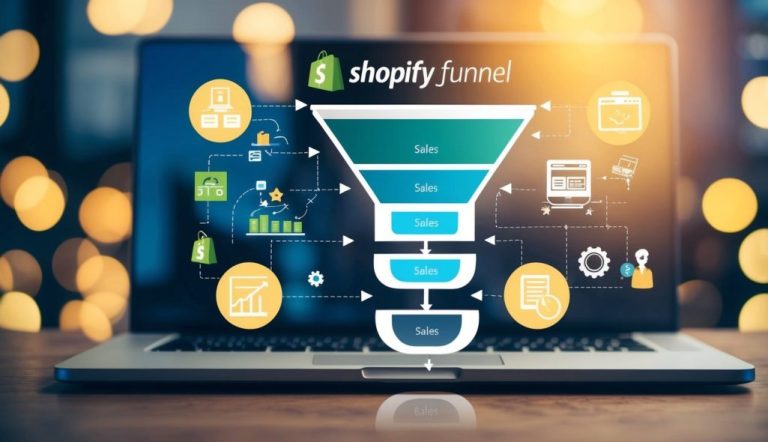
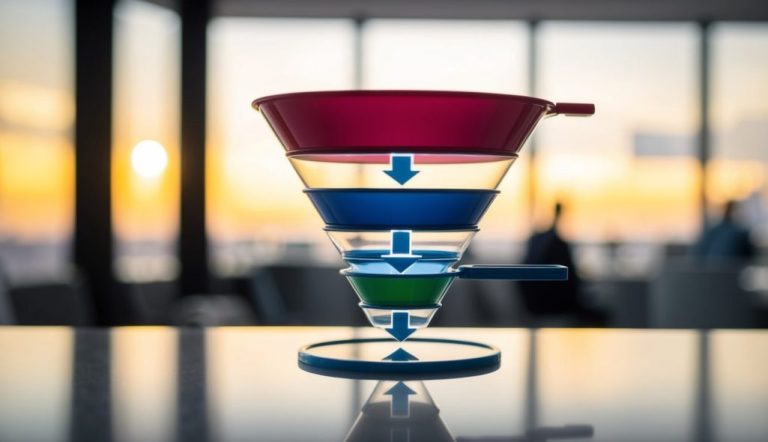
Shopify sales funnels are a crucial tool for any online business aiming to boost sales and increase customer loyalty. You can significantly enhance your ecommerce success by understanding how to effectively guide a potential customer from the moment they first learn about your store to the point of making a purchase. Shopify offers a range of tools and apps that make it easier to build a sales funnel tailored to your goals.
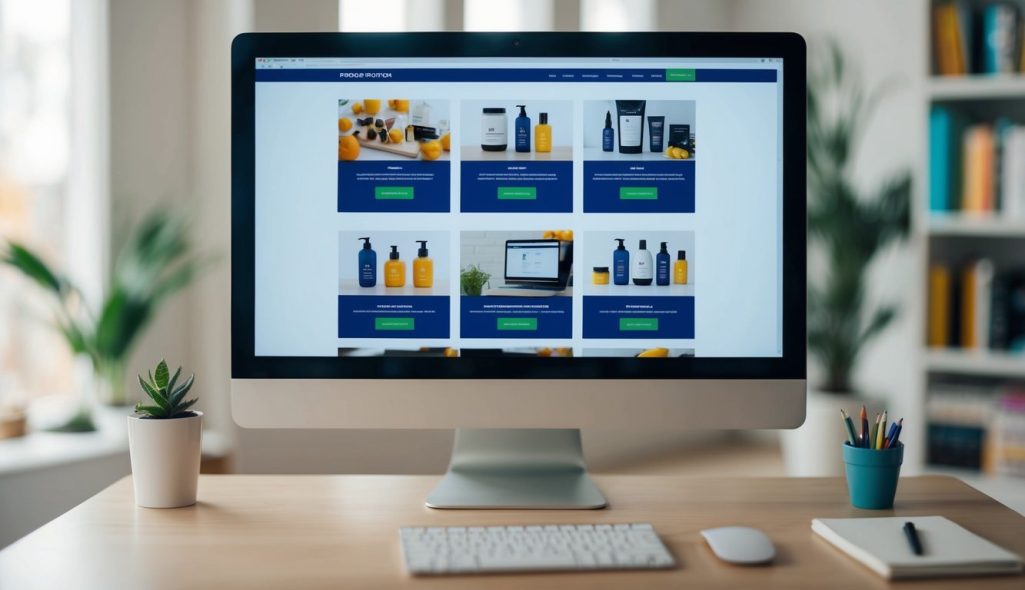
The journey through a sales funnel involves multiple stages, each designed to move the customer closer to purchase. Starting with awareness, potential customers are introduced to your brand. Then, they progress through consideration and decision stages. You can implement strategies at each phase, and tools like Zipify help craft high-converting funnel pages.
Optimizing your funnel is not a one-time task. You need to continually analyze data to track where customers drop off and implement improvements. Linking Shopify with Google Analytics provides insights into customer behavior and conversion rates, helping you refine your strategies and boost overall sales.
Key Takeaways
- Use tools to create and refine high-converting sales funnels.
- Track customer behavior to improve conversion rates and sales.
- Leverage analytics to optimize each stage of your sales funnel.
Understanding Shopify Sales Funnels
A Shopify sales funnel guides potential customers from discovering your store to making a purchase. It’s crucial for increasing conversion rates by structuring each stage effectively.
The Concept of a Sales Funnel
A sales funnel represents the journey customers take from first learning about your store to finally purchasing a product. Think of it as a path that turns Leads into paying customers. The funnel is divided into sections like Top of Funnel (awareness) and Bottom of Funnel (conversion). It’s about understanding where your audience is in this journey and using the right marketing strategies to guide them through.
Sales funnels help you track the effectiveness of your outreach efforts and adjust strategies based on performance. Data gathered here can inform better decisions about campaigns and customer engagement, improving overall efficacy.
Stages of a Shopify Sales Funnel
A typical Shopify sales funnel consists of several key stages. The Awareness Stage is where potential customers first discover your store. Next, they move into the Interest phase, starting to interact with your website and offerings.
As they progress to the Desire stage, they begin showing deeper interest, considering your products as viable options. The Action or Conversion Stage is when they make a purchase. Post-purchase, retaining their business through excellent customer service and follow-ups is essential, which often leads to repeat customers, further enriching your sales funnel.

Importance of a Well-Structured Sales Funnel
A well-structured sales funnel is vital for maximizing your Shopify store’s efficiency and effectiveness. By organizing each stage thoughtfully, you can improve Conversion Rates and ensure a smooth experience throughout the Customer Journey.
This approach allows you to cater to specific needs at each stage, helping potential customers by addressing their concerns and questions. When done right, a solid sales funnel not only boosts immediate sales but also enhances long-term customer loyalty, crucial for any successful Ecommerce Sales Funnel strategy on Shopify. Effective post-purchase engagement also ensures that customers remain connected, which is beneficial for long-term business growth.
Building Effective Shopify Sales Funnels
Creating effective Shopify sales funnels involves focusing on key elements like landing pages, calls to action, and interactive elements to enhance user experience and conversion rates. By refining these components, you can significantly improve the customer journey and ultimately boost sales.
Designing Landing Pages for Higher Conversions
Landing pages are crucial as they are often the first interaction a potential customer has with your brand. To ensure they are effective, start by making the layout clean and straightforward. Clear, concise headlines grab attention and highlight your product’s value. A/B testing different designs can reveal what resonates best with your audience, aiding in conversion rate optimization.
Including testimonials on your landing pages helps build trust. Display genuine reviews from satisfied customers to help reassure new visitors. Furthermore, focus on mobile optimization. With many users browsing on mobile devices, your landing page should load quickly and look appealing on all screen sizes. This attention to detail can greatly increase your chances of converting visitors into customers.
Crafting Compelling Calls to Action
A compelling call to action (CTA) is essential for converting visitors into customers. Effective CTAs are clear, engaging, and create a sense of urgency. Use strong action words like “Buy Now” or “Get Started” to prompt immediate responses. These phrases should stand out visually on the page through bold colors or larger fonts.
Personalization can also make CTAs more effective. Tailor these prompts to different segments of your audience based on their behavior or interests. You might try adding a special offer or limited-time discount to motivate users. Experimenting with various CTAs through A/B testing allows you to find which approaches yield the best conversion rates for your Shopify store.
Utilizing Interactive Elements
Interactive elements engage your audience and make their experience more memorable. Quizzes, polls, or interactive guides keep users on your page longer and can help inform them about your products. These elements should be easy to engage with and provide value or insight that encourages users to move further along in the sales funnel.
Countdown timers are an effective way to emphasize urgency and drive conversions. When placed on a product page or within a promotion, they highlight limited-time offers, pushing customers to act quickly. Implement interactive content thoughtfully to enhance the user experience and lead to higher sales.
Driving Traffic to Your Funnel
To boost sales through your Shopify sales funnel, focus on key strategies like optimizing your store for search engines, using social media effectively, and leveraging paid advertising. Each method helps attract more visitors and increase potential customers.
Search Engine Optimization for Shopify
Improving your Shopify store with search engine optimization (SEO) is crucial for increasing visibility. Start by doing keyword research to find terms your audience searches for. Use these keywords in your product descriptions, titles, and meta tags.
Google’s algorithm values high-quality content. Create well-written product pages, blog posts, and guides that provide value to your customers. Include internal links to guide users deeper into your site. Use Google Analytics to track how visitors find your store and which keywords perform best.
Make sure your site is mobile-friendly. Many users shop on their phones, and Google ranks mobile-friendly sites higher. Fast loading times also improve user experience, so optimize images and scripts to keep your store quick and efficient.
Effective Use of Social Media
Social media platforms like Facebook and Instagram are powerful tools for driving traffic. Share engaging content regularly to keep your audience interested. Use high-quality images and videos that showcase your products and brand.
Social proof, like customer reviews and testimonials, builds trust in your audience. Share these on your profiles to enhance your credibility. Engage with your audience by responding to comments and messages promptly. It helps build a loyal community around your brand.
Consider running contests or giveaways to increase your reach. Encourage participants to share your content, which can lead to new followers and potential customers. Use tools like Facebook Ads to create targeted marketing campaigns that reach the right audience.
Leveraging Paid Advertising
Paid advertising is an effective way to drive traffic quickly to your Shopify store. Facebook Ads offer powerful targeting options, allowing you to reach specific demographics. Use these tools to tailor your ads to a relevant audience, increasing the chance of conversions.
Remarketing is another tactic that can boost traffic. With remarketing, ads are shown to people who have visited your store but didn’t make a purchase. This keeps your products at the top of their minds.
Platforms like Google Ads are also vital. By bidding on keywords relevant to your business, you can appear in search results, driving more traffic to your online shop. Ensure your budget aligns with your goals to make the most of your advertising efforts.
Converting Visitors to Customers
Turning visitors into customers involves targeted strategies that engage prospects and encourage them to take action. Email marketing, creating urgency, and using social proof are key methods to enhance conversions on your Shopify store.
Email Marketing Strategies
Email marketing is a powerful tool in converting leads into buyers. By crafting personalized emails that cater to the interests of your prospects, you drive engagement and increase Shopify sales. Consider segmenting your audience based on their behavior and preferences. This enables you to send targeted offers or content that is more likely to interest them.
Use clear calls to action within your emails to guide recipients towards making a purchase. Re-engagement campaigns can help bring back inactive leads. Moreover, timely follow-up emails after an initial interaction can keep your store top of mind, encouraging conversions.
Creating a Sense of Urgency
Instilling a sense of urgency can motivate prospects to become buyers sooner. Techniques like countdown timers can show limited-time offers, prompting immediate action from customers. It’s effective to clearly communicate the scarcity of a product or the exclusivity of an offer.
Flash sales and limited-stock alerts often work well. Adding messages such as “Only a few left in stock” can persuade leads that they need to act quickly. Ensure that any urgency-based tactics are genuine to maintain trust and enhance conversion rates.
Incorporating Social Proof
Social proof is a crucial element in building trust and credibility with your audience. Incorporating customer reviews and testimonials on your Shopify site can reassure new visitors about the quality of your products. Ensure these reviews are prominently displayed and highlight positive feedback.
Features like star ratings or customer success stories can boost your conversion rate by showing potential customers that others have had positive experiences. Encouraging buyers to leave their feedback after a purchase can also strengthen this strategy. Highlighting popular items based on customer recommendations can further persuade potential buyers to make a purchase.
Maximizing Post-Purchase Opportunities
After a purchase is completed, there are still several opportunities to increase revenue and enhance customer satisfaction. By developing an upsell strategy, engaging with cross-selling techniques, and implementing loyalty programs, you can effectively maximize these opportunities to boost sales and foster customer retention.
Developing an Upsell Strategy
An upsell strategy can significantly enhance your store’s conversion rates. To implement this, focus on offering products that are higher-end versions or add-ons to what your customers have already purchased. For example, if a customer buys a smartphone, suggest a premium case or warranty extension.
Keep it simple and relevant. Too many options can overwhelm. Use data to determine which products pair well together. Shopify has options for post-purchase upsells, but remember there are some limitations, like needing orders to be $0.50 or more.
Engaging with Cross-Selling
Cross-selling is about suggesting complementary products that add value to a customer’s original purchase. For instance, when a customer buys a bicycle, you might recommend accessories like helmets or locks.
Create bundles or suggest related items during checkout to increase the perceived value. Cross-selling can enhance the shopping experience and increase average order value. Keep your suggestions personalized to fit customer needs by analyzing past purchase data. Effective cross-selling not only boosts sales but also enhances customer satisfaction by providing useful additional options.
Tracking and Optimizing for Better Performance
To improve your Shopify sales funnel, you need to focus on tracking and optimization. Analytics can help you understand user behaviors and improve conversion rates. Testing and continuous adjustments ensure your store meets customer needs and drives sales.
Analytics and Performance Metrics
Tracking user behavior using tools like Google Analytics provides insights into how visitors interact with your site. You can monitor key metrics such as page views, bounce rates, and time spent on each page. Understanding these metrics helps you identify areas where users drop off, enabling you to fine-tune your marketing strategies.
Conversion rates are crucial metrics. By pinpointing what influences these rates, you can refine calls to action and streamline user experiences for better performance.
A/B Testing for Website Elements
A/B testing involves comparing two versions of a webpage to see which performs better. This method allows you to test variations in elements like headlines, images, or calls to action. Implementing A/B testing helps you to measure which changes positively affect conversion rates.
For example, experimenting with different button colors or text on your checkout page can significantly enhance the user experience. Consistent testing ensures that your site remains optimized for converting visitors into customers, leading to improved sales.
Continuous Improvement Techniques
Continuous improvement involves making small, incremental changes to your site based on data insights. Regularly reviewing analytics and performance metrics lets you adapt to changing user preferences and market trends. Implementing conversion rate optimization strategies can also help refine your sales funnel.
Staying updated with the latest e-commerce trends and incorporating user feedback leads to effective long-term improvements. By regularly testing and adjusting your approach, you ensure that your Shopify store remains competitive and meets customer needs effectively.
Providing Excellent Customer Support
To build a successful Shopify sales funnel, you need to focus on delivering exceptional customer support. This includes offering attentive service, resolving post-purchase issues swiftly, and actively collecting feedback to improve the customer journey.
Building a Supportive Customer Service
Strong customer service is crucial to your eCommerce success. Your support team should be well-trained and equipped to handle customer inquiries. They should understand the importance of empathy and patience when addressing questions or concerns.
Implement a reliable system for tracking customer interactions. This not only helps in providing timely responses but also ensures consistency in service quality. A live chat option on your Shopify store can enhance the customer experience by offering real-time assistance.
Handling Post-Purchase Inquiries
The post-purchase phase is a critical part of the customer journey. Responding to inquiries promptly boosts customer satisfaction and encourages repeat business. Ensure your support team is ready to handle issues like order tracking, returns, and refunds.
Create a detailed FAQ section on your website for common post-purchase questions. This helps reduce the load on your support staff and provides customers with immediate solutions. Efficient handling of follow-up queries can lead to positive customer reviews.
Gathering and Acting on Customer Feedback
Feedback is essential to improving your business and enhancing the customer experience. Encourage customers to share their thoughts through surveys or reviews. Analyze this feedback to identify areas for improvement.
Use tools that integrate with your Shopify platform to collect and manage feedback. Implementing changes based on customer suggestions not only improves your service but also builds trust with your audience. Ensure you communicate any updates to your customers, showing them that their opinions are valued.
Acting on customer feedback can refine your sales funnel, leading to better customer retention and increased sales on your eCommerce platform.
Advanced Tactics for Shopify Sales Funnels
Boost your Shopify sales funnel by using powerful tools and strategies. High-converting apps like Zipify can enhance your funnel, while effective lead magnets and remarketing strategies keep customers engaged.
Using High-Converting Apps Like Zipify
To create an effective sales funnel, incorporating apps like Zipify can be highly beneficial. Zipify is designed specifically for Shopify, offering features to build high-converting sales pages. You can easily design landing pages that capture attention and drive conversions. With ready-made templates and drag-and-drop options, it simplifies the process of crafting attractive offers.
These tools also help in creating upsells and cross-sells, increasing the average order value. By integrating with your existing Shopify store, Zipify ensures a seamless experience for your prospects. Utilizing such apps can optimize various stages of the funnel, from consideration to loyalty, enhancing your overall funnel performance.
Developing Effective Lead Magnets
Lead magnets are crucial in capturing potential customers’ attention. They provide value in exchange for contact information, allowing you to build your email list.
Consider offering free resources, such as eBooks, guides, or discount codes, tailored to the interests of your target audience. Make sure your lead magnets are relevant and valuable, sparking prospects’ curiosity. They should answer specific needs or problems faced by your audience. This approach not only aids in initial engagement but also nurtures long-term relationships. By focusing on meaningful content, you drive interest and lead users through the consideration stage of your funnel.
Strategies for Remarketing
Remarketing helps re-engage prospects who have shown interest in your products but haven’t converted yet. It’s about targeting these visitors with ads as they browse other parts of the internet.
Use data from site visits to tailor your ads, focusing on products or services they’ve viewed before. Platforms like Google Ads and Facebook Ads allow for targeted remarketing campaigns.
You can remind users of products in their cart or offer exclusive promotions to entice them back. This strategic approach reinforces brand awareness and increases the likelihood of conversion. By using remarketing effectively, you maintain a strong presence and encourage loyalty among your audience.
Frequently Asked Questions
Understanding Shopify sales funnels involves grasping their components and using tools like analytics to refine them. You’ll also find different apps and strategies to enhance funnel effectiveness.
What are the essential components of a high-converting Shopify sales funnel?
A high-converting Shopify sales funnel typically includes awareness, consideration, and decision stages. You guide potential customers from discovering your store to making a purchase. Each stage involves tactics like targeted ads, informative content, and persuasive offers.
How can I use Shopify Analytics to optimize my sales funnel?
Shopify Analytics helps you track metrics like traffic sources, conversion rates, and customer behavior. By analyzing this data, you can identify funnel bottlenecks and areas for improvement.
For example, if drop-off rates are high at a specific stage, you can adjust your strategy to better engage customers.
What are some examples of successful sales funnels used in ecommerce?
Successful ecommerce sales funnels often use engaging content and retargeting strategies. For instance, offering a discount code to first-time visitors can encourage conversions. Some stores also utilize abandoned cart emails to recover lost sales, substantially improving their overall conversions.
What are the best apps for building sales funnels on Shopify?
Several apps can help create effective Shopify sales funnels. Apps like ClickFunnels or Zipify provide tools and templates to design customized funnels that enhance the buying experience.
How do I measure and interpret ecommerce funnel metrics to improve sales?
Key metrics like conversion rate, average order value, and customer retention are crucial. Regularly monitoring these metrics can highlight successful elements and areas needing change.
By interpreting patterns and customer feedback, you can refine your funnel to increase sales and improve customer satisfaction.
How can I integrate external funnel tools with my Shopify store to enhance performance?
Integrating external tools such as email marketing software or CRM systems can streamline your sales funnel. These tools allow for personalized communication and better customer management. Many integrations are available through the Shopify app store. These provide seamless connections to enhance your store’s performance.