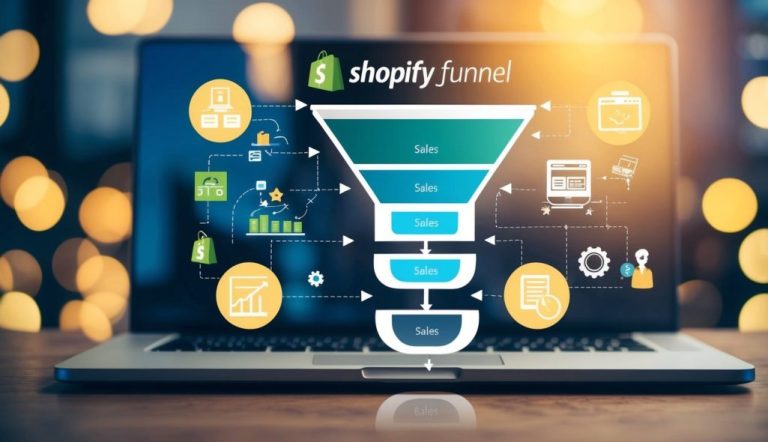
Creating an effective Shopify sales funnel is key to transforming casual visitors into loyal customers. By guiding potential buyers through a series of steps, you can significantly boost conversions and improve your store’s performance. A well-designed Shopify sales funnel not only enhances user experience but also increases the likelihood of repeat purchases.
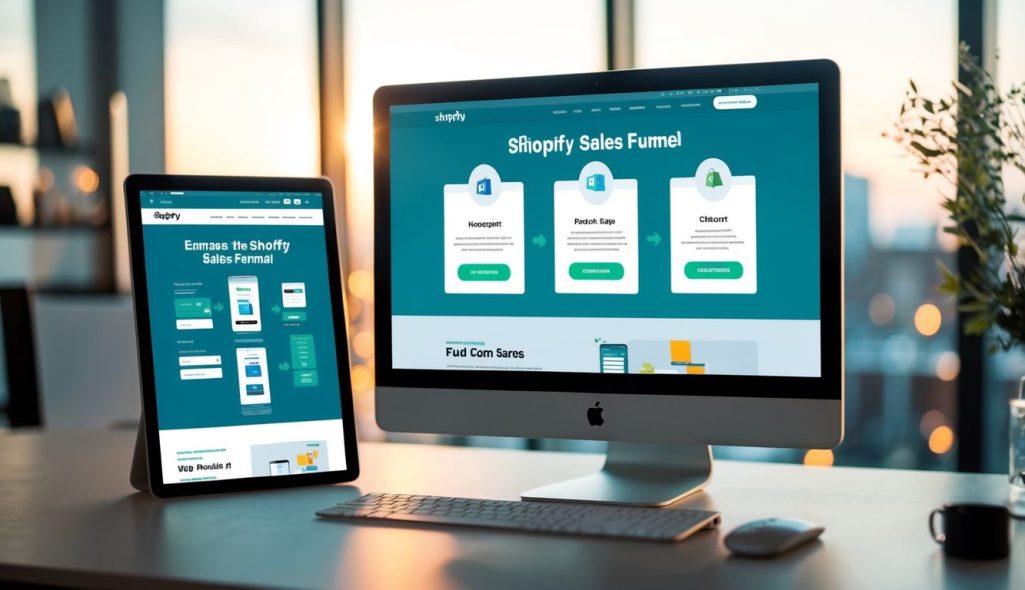
Understanding the concept of a sales funnel is crucial for any online retailer. It starts with the awareness stage, where potential customers first learn about your brand, and it ends with the purchase and post-purchase stages. Utilizing tools and apps available on Shopify can streamline this process, making it easier to capture leads, drive traffic, and automate marketing efforts.
By focusing on enhancing the customer experience and leveraging data-driven insights, your Shopify sales funnel can continually adapt and optimize to meet user needs. This focus ultimately paves the way for increased customer loyalty and repeat sales.
Key Takeaways
- A sales funnel guides prospects to becoming customers.
- Enhance user experience to boost conversion rates.
- Shopify tools can simplify funnel design and automation.
Understanding the Sales Funnel Concept
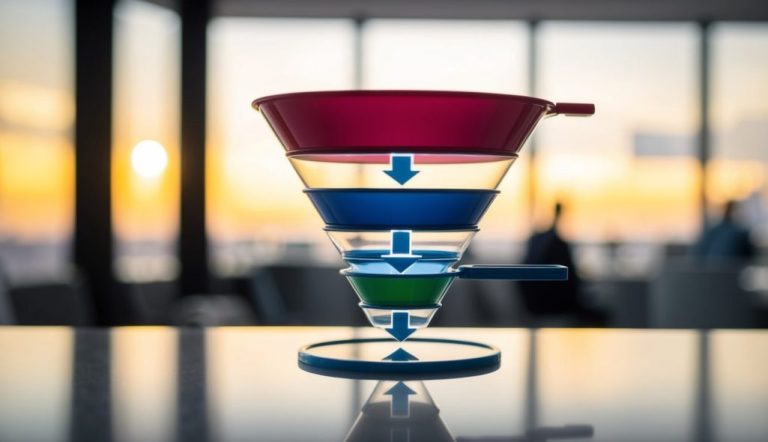
A sales funnel is a visual tool used by businesses to guide potential customers from initial interest to purchase. It highlights key stages like awareness, consideration, and conversion, helping you understand and optimize customer interactions.
The Importance of Sales Funnels
Sales funnels are crucial for guiding potential customers through their buying journey. By structuring your marketing efforts into a funnel, you can clearly see how users move through each stage. This helps allocate resources more efficiently. For example, you might spend more on the awareness stage when launching a new product.
With a funnel, you can track where potential customers lose interest. This ensures you can adjust your strategies and enhance customer engagement. Effective funnels maximize conversions and optimize marketing efforts.
Stages of a Sales Funnel: Awareness to Conversion
A typical sales funnel starts with the awareness stage, where potential customers first hear about your product. Next, they move to the consideration stage, exploring options and comparing your products with competitors.
The next stage is desire, where they become interested in owning the product. Finally, at the action stage, a purchase is made. Understanding these stages lets you target marketing efforts to nurture leads effectively and increase the chances of conversion.
Shopify Sales Funnel vs. Traditional Funnels
Shopify sales funnels have specific features that enhance e-commerce experiences. Unlike traditional funnels, which may rely on in-person interactions, Shopify funnels utilize online tools for the entire process. Starting with an eye-catching Shopify website, you can track user behavior from the interest phase onward.
Shopify allows you to use apps and integrations to automate parts of the funnel. This might include email marketing during the consideration stage and abandoned cart reminders. Such tools make it easy to adapt quickly and effectively, increasing sales efficiency compared to old-school methods.
Designing Your Shopify Sales Funnel
To effectively design your Shopify sales funnel, focus on creating engaging landing pages, optimizing the customer journey, and using high-quality images and descriptions. These elements are crucial for attracting visitors and converting them into customers.
Creating Compelling Landing Pages
Your landing page is the first impression potential customers have of your store. It must be clear and engaging. Start with a strong headline that grabs attention and directly communicates the value of your product.
Use bold text to emphasize important points. Effective call-to-action (CTA) buttons are essential; they guide visitors to the next step in the buying process. Consider using buttons that stand out with contrasting colors.
Include customer reviews and testimonials to build trust, and ensure the page loads quickly. A slow landing page can lead to high bounce rates, which means lost sales opportunities.
Optimizing for Customer Journey
Understanding the customer journey is key to a successful sales funnel. Each step from awareness to purchase should be seamless. Use analytics to track customer behavior on your site. This information helps you understand which steps in the journey may need improvement.
Segment your audience based on their behavior and needs. This allows you to personalize the experience and offer relevant recommendations. Use email sequences to re-engage customers and guide them further down the funnel.
Address any potential obstacles that could prevent conversions. Simplify checkout processes and offer multiple payment options to reduce friction.
Utilizing High-Quality Product Images and Descriptions
High-quality images can significantly impact a customer’s decision to purchase. Use clear, detailed photos of your products from different angles. This helps customers visualize what they are buying and increases their confidence in the purchase.
Pair images with concise, yet informative product descriptions. Highlight the key features and benefits. Descriptions should be easy to read: use bullet points and italic text for emphasis where needed.
Make sure every product page is mobile-friendly. Many shoppers use mobile devices, so ensuring that images and text display well on small screens is vital for maintaining a good user experience.
Driving Traffic and Capturing Leads
When developing a Shopify sales funnel, it’s crucial to focus on attracting visitors and turning them into leads. You can achieve this by using paid ads, search engine optimization, and interactive content, all while leveraging retargeting ads to keep your brand in prospects’ minds.
Effective Use of Paid Ads and SEO
Google ads and SEO are powerful tools to drive traffic. Ads allow you to target specific demographics with incredible precision, ensuring your products reach the right audience. Crafting engaging ad copy and visuals is essential for grabbing attention.
On the SEO side, optimizing your store’s content for relevant keywords can make your products more discoverable. This long-term strategy enhances visibility on search engines and complements your paid advertising efforts. A balanced marketing strategy using both ads and SEO helps in capturing diverse audience segments effectively.
Generating Leads through Interactive Content
Creating interactive content can play a crucial role in lead generation. Tools like quizzes, surveys, and polls engage visitors by offering personalized experiences. For example, a quiz that helps visitors choose the right product can increase their interest and encourage sign-ups.
Email collection forms or chatbots should accompany this content, making it easy to capture visitor information. Such engaging content not only keeps users on your site longer but also builds a relationship, encouraging them to return or purchase when they’re ready.
Employing Retargeting Ads to Re-engage Visitors
Retargeting ads are essential for reaching visitors who did not convert during their first visit. These ads remind potential customers of your products by showing relevant content as they browse other sites or social media.
Effective retargeting requires segmenting audiences based on their interactions with your store. For example, you can target those who added items to their cart but didn’t complete purchase. This personalization can significantly improve the conversion rate. Retargeting ensures your brand stays visible, reinforcing your initial marketing efforts and increasing the likelihood of conversion when the visitor returns.
Leveraging Email Marketing and Automation
Email marketing and automation are powerful tools that can greatly enhance your Shopify sales funnel. Using these tools allows you to nurture leads, ensure personalized interactions, and maintain regular communication with your audience.
Nurturing Leads with Targeted Campaigns
Targeted marketing campaigns are key to increasing your conversion rate. By segmenting your audience based on interests and behaviors, you can send relevant content that resonates with them. This approach transforms potential customers into active buyers.
Use data to determine the type of content that appeals to each segment. For example, a customer interested in new arrivals may prefer receiving product updates.
Your emails should be structured to lead the recipient further down the sales funnel. Consider including a call-to-action that encourages engagement, such as signing up for a newsletter or checking out a special promotion. By tailoring your message, you can significantly boost engagement and turn prospects into loyal customers.
Automated Follow-ups and Personalized Offers
Automated follow-ups keep your business front-of-mind without requiring constant manual effort. This approach ensures that no potential lead goes overlooked. After a visitor subscribes to your email list, you can set up a sequence of emails. These may include welcome messages, product suggestions, or exclusive deals.
Personalized offers can further enhance this strategy. By analyzing customer data, you can customize offers to suit individual preferences. For instance, sending a discount code on a product they’ve shown interest in can motivate a purchase. Tools like HubSpot and Shopify integrations can help streamline these processes, boosting your efficiency.
Creating Consistent Communication Touchpoints
Establishing regular touchpoints with your audience is essential for building trust and long-term relationships. Consistent communication helps you stay relevant and ensures that customers do not forget about your brand.
Decide on a schedule that works for your business. This might include weekly newsletters, monthly updates, or seasonal promotions.
Each communication should deliver value, whether through informative content, upcoming sales alerts, or exclusive offers. Creating a reliable rhythm not only supports your marketing tactics but also makes customers more likely to engage with your messages over time. By maintaining these touchpoints, you reinforce your brand presence in a consistent and meaningful way.
Enhancing Conversions and Customer Experience
Improving conversions and customer experience involves boosting conversion rates by refining strategies and creating a seamless journey for customers. By focusing on optimizing conversion stages, streamlining checkout, and building trust through social proof like customer reviews, you can significantly enhance the shopping experience.
Employing Conversion Rate Optimization Strategies
To increase conversion rates, start by understanding customer behavior at each conversion stage. Analyze data to identify where potential customers drop off. Use A/B testing to experiment with different elements, such as call-to-action buttons and landing page layouts.
Implement clear and compelling messaging to guide customers effectively. Personalization can also play a crucial role. Tailor content and product recommendations based on user preferences and past interactions. This personalized approach engages customers and encourages them to complete their purchases.
Streamlining the Checkout Process
A smooth and efficient checkout process is essential for converting interested visitors into customers. Minimize the number of steps required for checkout to reduce friction. Offer a guest checkout option to speed up the process for new customers who prefer not to create an account.
Ensure the checkout stage is mobile-friendly, as many users shop from their devices. Simplifying payment options by accepting multiple methods, such as credit cards and digital wallets, can also increase convenience. Provide a progress indicator during checkout so customers know what to expect and how many steps remain.
Building Trust with Social Proof and Customer Reviews
Building trust with potential customers can greatly enhance conversion rates. Displaying social proof, such as customer reviews and ratings, can encourage new visitors to purchase. Highlight testimonials from satisfied customers prominently on product pages.
Integrating user-generated content, like photos or videos of customers using your products, can further establish credibility. Consider implementing a review system incentivizing feedback with discounts or future purchases. Be transparent by addressing negative reviews constructively, showing that you value customer feedback and continually strive to improve the shopping experience.
Maximizing Repeat Purchases and Loyalty
Enhancing customer loyalty involves encouraging repeat purchases through strategic programs, sales techniques, and emotional connections. Focusing on these areas can significantly improve customer retention and transform one-time buyers into committed clients.
Implementing Effective Loyalty Programs
Loyalty programs are essential for encouraging repeat purchases. By offering incentives such as discounts, points, or exclusive offers, you motivate customers to return.
For instance, a points program can reward customers for purchases, product reviews, or social shares. This not only increases repeat sales but also fosters a sense of community around your brand. Consider tiered loyalty levels to unlock special benefits. This approach not only incentivizes frequent purchases but also makes customers feel valued and appreciated.
Using Cross-Selling and Upselling Techniques
Cross-selling and upselling are crucial strategies for maximizing sales and enhancing customer loyalty.
Cross-selling involves suggesting related products that complement the original purchase. Meanwhile, upselling offers a more valuable version of the item they’re interested in. This can increase customers’ satisfaction by providing them with more value and enhance their shopping experience.
Implementing these techniques effectively requires understanding your customer’s needs and preferences. This approach helps in creating a seamless sales process that feels personal and beneficial, encouraging customers to return for more purchases.
Fostering an Emotional Connection with the Brand
Building an emotional connection with customers is vital for long-term loyalty. It involves creating a brand narrative that resonates and aligns with the values of your audience.
Communicate authentically through your marketing materials and customer interactions. Encourage customer feedback and show that you value their opinions. Share stories that highlight your brand’s impact, making your customers feel part of something larger.
Loyalty grows when customers feel emotionally invested in your brand, leading to increased customer retention and more repeat purchases.
Leveraging Shopify’s Tools and Apps for Sales Funnels
When building a sales funnel with Shopify, you can take advantage of various apps and tools to enhance your store’s effectiveness. These resources help streamline the process and improve customer interactions.
Utilizing Shopify Sales Funnel Apps
Shopify has a range of sales funnel apps designed to help you build effective funnels. One popular option is Zipify, known for its ease of use in creating high-converting pages.
These apps allow you to integrate upselling and cross-selling features seamlessly, providing a more personalized shopping experience. Using pre-built sales funnel templates can save you time and ensure better results as they guide potential buyers from interest to purchase.
These apps also offer analytics and reporting tools. With these, you can track the performance of your funnel. This means you can make data-driven decisions to optimize the funnel steps and conversion rates.
By exploring these apps, you can discover which ones best suit your needs and help you achieve your sales goals more efficiently.
Integrating Third-Party Tools for Enhanced Functionality
Beyond Shopify’s built-in tools, consider integrating third-party applications to enhance your sales funnel’s capabilities. These tools can cover various functions like email marketing, social media, and customer relationship management, working alongside your sales funnel apps.
Many of these third-party integrations can offer features like automation and personalization, which improve user engagement.
For example, using a tool that syncs with your funnel app can streamline capturing leads and converting them through targeted email campaigns. Leveraging these integrations can also improve customer experience by offering targeted promotions or follow-up interactions.
This strategic approach ensures your sales funnel is comprehensive and offers a smooth journey for your customers.
Analyzing Sales Funnel Performance
To effectively analyze your sales funnel, you need to focus on measuring key metrics, leveraging data analytics, and promoting continuous improvement. By understanding these components, you can drive successful sales funnel optimization for your Shopify store.
Measuring Key Sales Funnel Metrics
To get a clear picture of your sales funnel performance, measure conversion rates at every stage. Start with the number of visitors entering your funnel and track how many make it to the final purchase.
Calculate this by dividing the number of conversions by the total visitors, then multiplying by 100. This step helps identify where potential customers drop off.
Other important metrics include the average deal size and customer acquisition cost. Knowing these figures allows you to assess whether your marketing initiatives are cost-effective and leading to profitable sales.
Tracking these metrics over time helps you see trends and adjust strategies. Use tools like Google Analytics and Shopify’s native analytics features to gather this data. Set benchmarks so you can compare progress and improve each stage of the funnel.
Utilizing Data Analytics for Funnel Optimization
Data analytics plays a crucial role in enhancing your sales funnel. By analyzing data, you can find patterns and insights that show which parts of the funnel need improvement.
Tools like Google Analytics and Shopify analytics provide detailed reports on user behavior.
Use these insights to identify which marketing campaigns are most effective. You can determine which traffic sources lead to higher conversions, whether it’s paid ads, social media, or organic search.
Data analytics can guide you in tweaking your marketing strategies to maximize efficiency.
Another way data helps is by pinpointing bottlenecks in your funnel. If users abandon carts frequently, analyze why this happens. The information gathered will help you find solutions, such as offering special discounts or simplifying the checkout process.
Continuous Improvement through Sales Funnel Optimization
Consistently optimizing your sales funnel is key to maintaining a competitive edge. Regularly review and refine your tactics based on the data you collect.
Use A/B testing to experiment with different approaches and see which one yields better results.
Listen to customer feedback to make informed improvements. This could involve redesigning landing pages, altering your product offerings, or enhancing customer service.
Set specific goals for each stage of your funnel. Monitor your progress and be ready to adapt your strategies as needed.
Continuous improvement requires you to stay updated on industry trends and new analytics tools that could offer additional insights.
Expanding the Sales Funnel for B2B
When creating a B2B sales funnel, it’s essential to recognize the complexity and variability of buyer journeys. Tailoring the funnel to suit these unique paths can enhance engagement and conversion.
Understanding B2B Sales Funnel Dynamics
The B2B sales funnel is different from typical consumer funnels. Unlike B2C sales, where impulse buying is common, B2B buyers often undergo a detailed evaluation process.
You need to engage with a unique value proposition that speaks directly to the needs of your target audience.
In this funnel, the stages might include awareness, interest, decision, and purchase. Buyers often involve multiple decision-makers. This complexity requires you to maintain consistent communication and provide focused marketing strategies.
Using tools like CRM systems can help track interactions efficiently and guide leads through the sales funnel smoothly. Understanding these dynamics ensures that your efforts align with the buyer’s decision-making processes.
Customizing the Funnel for Complex Buyer Journeys
Tailoring the sales funnel to cater to complex buyer journeys requires in-depth knowledge of customer needs. You must identify distinct stages and customize strategies for each.
Start by defining the target audience clearly, focusing on their specific challenges and goals.
Adapt your marketing strategies to include personalized content that addresses each stage of the buyer’s journey. Interactive content like webinars or demos can be effective in engaging decision-makers.
Continuously refine your approach by analyzing customer feedback and behavior. A flexible sales funnel allows you to respond to changing needs and preferences, keeping prospects engaged throughout their journey.
Frequently Asked Questions
Setting up a sales funnel on Shopify involves several best practices and tools to enhance your online store. Understanding how to measure performance and examples of successful funnels can help improve revenue.
What are the best practices for setting up a sales funnel on Shopify?
Start by identifying your target audience and creating tailored marketing strategies. Use clear calls-to-action and provide value at each stage of the funnel. Regularly optimize your funnel through testing to ensure it meets customer needs.
Which Shopify sales funnel app is recommended for increasing conversion rates?
Apps like Sender Email Marketing & SMS offer tools to boost conversion rates. These apps provide features like email automation and targeted marketing campaigns, making them popular among Shopify store owners.
How can I effectively measure and analyze my Shopify sales funnel performance?
To analyze your sales funnel, use analytics tools to track key metrics such as conversion rates and customer drop-off points.
Monitor user behavior to identify areas for improvement. Regularly reviewing these metrics helps fine-tune your funnel for optimal performance.
Could you provide examples of successful eCommerce sales funnels?
A successful funnel often starts with attracting visitors through ads, which then lead them to engaging content on your website. From there, guiding them to make a purchase or sign up can be achieved with well-placed promotions and discounts, similar to what is discussed by Shopify.
How does the integration of a sales funnel complement an existing Shopify store?
Integrating a sales funnel complements your store by systematically guiding potential customers towards a purchase. It enhances customer experience and maximizes engagement at each stage, resulting in increased chances of conversion.
In what ways can optimizing a sales funnel impact my Shopify store’s revenue?
Optimizing your sales funnel means increasing efficiency in lead conversion. You can substantially boost your store’s revenue by addressing bottlenecks and improving customer journey experiences. This approach encourages more successful sales interactions.