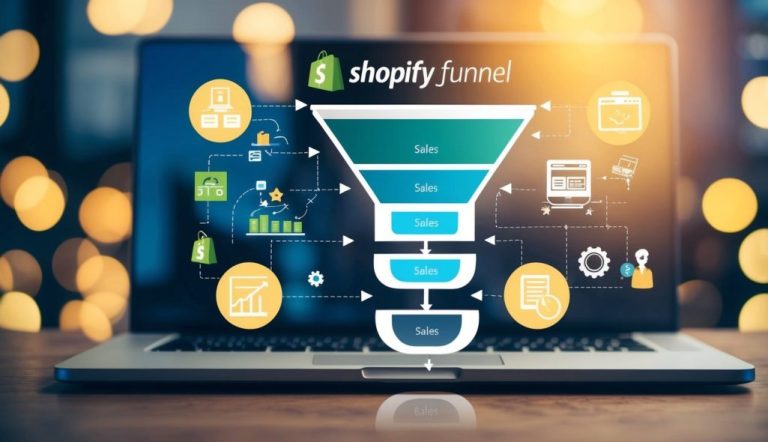
Navigating the sales process can be challenging, but the right tools make it manageable and effective. A sales funnel template streamlines how you track and manage each stage of the customer journey, from initial contact to closing a sale. Well-designed sales funnel templates can significantly improve your conversion rates. They provide a clear visual of where opportunities lie and which stages need optimization.

Sales funnel templates are essential for businesses that want to maximize sales efforts and develop efficient strategies for nurturing leads. They help you understand where potential customers are in their buying journey and what actions to take next.
You can access options for Excel, Google Sheets, and other platforms like Salesflare and HubSpot. These templates offer industry-specific solutions and adaptable components, making them versatile for any business model. They help enhance your customer relations and are designed to boost productivity by focusing efforts on leads that are most likely to convert. With templates from reliable sources, such as Forbes Advisor, you can measure the success of your sales funnel and continuously refine your approach.
Key Takeaways
- Sales funnel templates streamline your sales process and improve conversion rates.
- You can access customizable templates for specific business needs and industries.
- Measuring success with templates helps refine and optimize your sales strategy.
Understanding Sales Funnels
Sales funnels are essential tools in guiding potential customers through the buying process. They help convert interest and awareness into actual sales, forming a crucial part of the buyer’s journey.
Defining a Sales Funnel
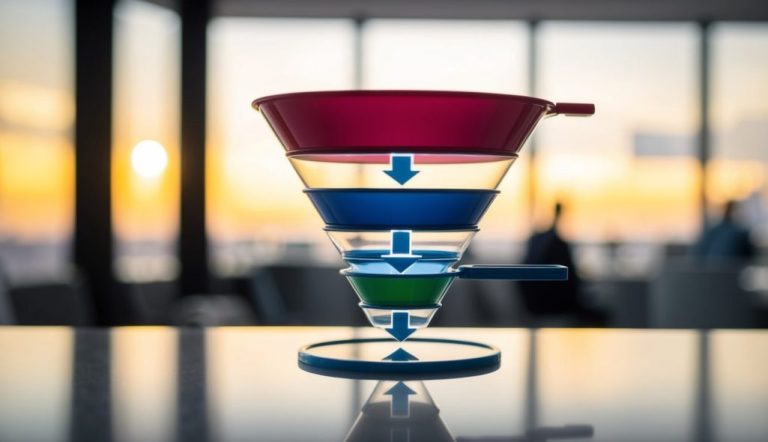
A sales funnel is a step-by-step process that businesses use to lead potential customers towards making a purchase. It typically includes stages like awareness, interest, decision, and action. At the top, you capture the potential customer’s attention, then gradually nurture their interest until they’re ready to buy.
Different stages of the funnel cater to different needs. For example, initial stages might involve content that educates or entertains, while later stages focus on providing detailed information and addressing potential objections. Each stage plays a role in moving the potential customer closer to purchase. You can find more about the importance of sales funnel stages here.
The Importance of Sales Funnels
Sales funnels are vital for businesses as they help streamline the sales process. They guide you on how to communicate with potential customers at every stage, ensuring that you meet their needs effectively. This personalized interaction increases the likelihood of converting prospects.
A well-constructed funnel can identify where you might lose prospects and provide insights on improving retention and conversion rates. By understanding their journey, you make informed decisions to refine your strategies. This approach maximizes your ability to turn interested visitors into paying customers, enhancing your business’s success. Find more insights on the importance of sales funnels at Forbes.

Core Components of Sales Funnel Templates
Sales funnel templates help move potential customers from awareness to purchase. Each stage of a sales funnel has specific templates that cater to different objectives, from generating leads to closing sales.
Top of the Funnel Templates
At the top of the funnel, the focus is on attracting attention and generating leads. Templates for this stage often emphasize using content like blogs, social media posts, or webinars to draw interest.
A lead generation funnel might include a landing page designed for capturing email addresses through offers like free ebooks or newsletters. The goal is to create awareness and interest, setting the stage for later engagement. Ensuring a high-quality first impression can significantly improve the conversion rate from visitors to leads.
Middle of the Funnel Templates
In the middle of the funnel, your mission is to nurture relationships and build trust. Templates here often incorporate email marketing campaigns, case studies, and detailed product guides.
This stage typically uses a more personalized approach, providing potential customers with information that helps them evaluate options. Templates might include drip email sequences or scheduled webinars where prospects can learn more about your product or service. This phase is crucial for guiding leads toward a buying decision.
Bottom of the Funnel Templates
At the bottom of the funnel, the aim is to convert interested prospects into paying customers. Templates for this stage generally focus on closing the sale. This may include free trials, discounts, or personalized consultations.
A bottom-of-the-funnel template might feature a special offer delivered through targeted emails or retargeting ads. Providing a clear and simple path to purchase is essential at this stage. By minimizing friction and addressing any remaining concerns, these templates help improve the likelihood of conversion.
Designing Effective Sales Funnels
Creating effective sales funnels involves carefully planning stages to guide potential customers towards making a purchase. Key elements to focus on include optimizing your conversion rates, using strategic email marketing, and leveraging content to enhance customer engagement.
Conversion Rate Optimization
Improving conversion rates is crucial for driving success in your sales funnel. Start by analyzing where potential customers drop off and make necessary adjustments.
Implement A/B testing to determine which design or message performs better. Use clear and compelling calls to action to guide users towards making a decision.
Make sure that your landing pages are well-designed and aligned with the customer’s needs. This helps in reducing hesitation and increasing the likelihood of conversions.
Regularly track your funnel’s performance with tools like Google Analytics to pinpoint areas for improvement. Aim to create a seamless journey from the initial touchpoint to the final purchase.
Email Marketing Strategies in Sales Funnels
Email marketing plays a vital role in nurturing leads through the funnel. Develop a consistent email strategy that follows up with leads at different stages.
Personalized emails can strengthen your relationship with potential buyers by addressing their specific needs.
Segment your email list based on customer behavior and engagement levels. This allows you to tailor content to specific audience segments, increasing relevance and engagement.
Use automation to deliver timely and consistent messages without manual intervention. Incorporate calls to action in your emails to direct recipients back to the sales process.
Use metrics such as open rates and click-through rates to measure effectiveness and make necessary tweaks for improvement.
The Role of Content in Conversion
Content is a powerful tool in converting prospects into customers. Provide value through blog posts, videos, and case studies that address potential customers’ pain points and demonstrate how your product or service can help.
Utilize content to build trust and authority in your industry. By offering insights and solutions, you can position your brand as a go-to resource.
Optimize your content for SEO to increase visibility and attract more leads to your funnel. Keep your messaging consistent across all content pieces to maintain a cohesive brand image. This not only supports conversions but also enhances customer retention by reinforcing the value of your offerings.
Segmentation and Lead Management
Segmenting leads helps focus on the most promising prospects and streamlines the path to conversion. By effectively managing leads, you boost the efficiency of your sales pipeline, aligning your efforts with customer needs and behaviors.
Lead Scoring and Prioritization
Lead scoring is essential for identifying which prospects are most likely to convert. You assign values to leads based on indicators like engagement, behavior, and demographics.
This system helps your sales team prioritize efforts effectively.
Implementing custom fields in your CRM enriches your scoring by incorporating specific data relevant to your industry or business. Analyzing past customer data enhances accuracy in lead scoring.
Improving this will make your lead generation efforts more efficient, helping allocate resources toward the most promising opportunities.
Sales Pipeline Management
Efficient management of the sales pipeline involves tracking each stage a lead goes through until conversion. It’s important to maintain a clear overview of where each lead stands in your pipeline.
This means updating statuses regularly and addressing bottlenecks promptly.
Visual tools like dashboards give a snapshot of your pipeline, aiding quick decision-making. Aligning your pipeline stages with customer journeys ensures no potential lead is lost due to oversight. An active pipeline avoids backlog, ensuring your sales team focuses on moving leads through the process smoothly.
CRM Integration
Integrating your CRM system with lead management enables seamless handling of all customer data.
This integration allows your team to update, track, and manage leads from a single platform. It keeps all relevant information accessible and organized.
Customizing CRM settings with custom fields helps tailor the system to your specific business needs, making customer data more relevant. This approach not only saves time but also ensures that your team can quickly access detailed lead information, enhancing communication and decision-making throughout the sales cycle.
Enhancing Customer Relations
Sales funnel templates are essential for strengthening connections with your customers, anticipating their needs, and refining your sales strategy. You can create lasting relationships and improve forecasting accuracy by focusing on the right practices.
Building Long-term Customer Relationships
To foster long-term relationships, consistent communication is critical. Integrating Customer Relationship Management (CRM) tools can help you track interactions and understand customer preferences over time.
Engage your customers through personalized content and offers tailored to their needs.
Regular feedback collection is another useful tactic. By incorporating customer surveys or feedback forms, you gain insights into their expectations and satisfaction levels. Empower your sales team to address concerns promptly and build trust.
Reliability is key. Always deliver on your promises, whether it’s product quality or timely support. Maintaining transparency in all dealings builds credibility and loyalty.
Forecasting and Revenue Prediction
Accurate revenue prediction and forecasting stem from analyzing customer purchase patterns and behaviors.
Utilizing CRM systems alongside sales management tools can help compile customer data to predict future trends. Track past sales data to identify patterns or spikes in demand.
Segment your customer base into categories to refine predictions. By focusing on distinct groups, you tailor strategies effectively.
Leveraging data analytics, identify which products drive revenue and during which periods.
Encourage collaboration between sales and marketing teams to ensure data accuracy. Regularly updating forecasts based on emerging trends allows you to adjust strategies for better results. Implementing these practices enhances your ability to stay ahead in competitive markets.
Industry-Specific Sales Funnel Templates
Different industries often require unique sales funnel strategies tailored to their specific needs and market dynamics. By understanding the nuances of each industry, you can enhance customer engagement and improve conversion rates.
B2B vs. B2C Sales Funnel Strategies
In a B2B sales funnel, the journey is usually longer and more complex. You must focus on building relationships and educating your prospects.
Your customers are often organizations, so the purchasing decision involves multiple stakeholders. Emphasizing value and return on investment is crucial.
For B2C funnels, the buying journey is more direct. The decision-making process is typically quicker, driven by emotion and personal needs.
Your focus is on creating immediate connections, using offers and promotions to encourage quick purchases. Personalization and clear messages can help in engaging potential buyers effectively.
SaaS Sales Funnel Best Practices
For a SaaS sales funnel, your approach should focus on demonstrating value from the start.
Offering free trials or limited-time features can attract potential customers. As your buyers navigate their journey, ensure they understand how your software solves their problems.
Include onboarding processes and detailed guides to help users adopt the software seamlessly.
Automations in email follow-ups can keep prospects engaged and informed. Highlighting customer testimonials and case studies can also enhance credibility and push prospects further down the funnel.
E-Commerce Funnel Templates
E-commerce funnels usually involve quick and diverse buyer journeys. It’s important to prioritize creating a visually appealing and easy-to-navigate website. You should optimize your funnel by simplifying the checkout process. Also, use product recommendations based on browsing history to personalize the shopping experience.
Retargeting ads are effective for reminding customers of forgotten items in their cart. Meanwhile, email campaigns offering discounts or notifications on limited stock can urge prompt responses. A focus on customer reviews and user-generated content can help build trust and drive sales conversions.
Optimizing for Higher Sales Productivity
Increasing sales productivity involves streamlining processes and enhancing team skills. This can be achieved by automating repetitive tasks and investing in the proper training and tools for your sales teams.
Automating Repetitive Tasks
Automating tasks can significantly boost productivity by allowing your team to focus on more strategic activities. Using sales funnel templates helps automate steps such as customer follow-ups and email marketing.
Tools like CRM systems can manage lead tracking, schedule emails, and analyze customer data efficiently. These systems improve accuracy in forecasting sales outcomes and free up time for more personalized customer interactions. Implementing chatbots for customer queries and automating data entry can also reduce workload, improving response times and conversion rates.
Training and Equipping Sales Teams
Providing your sales team with ongoing training ensures they have the skills needed to shine in every customer interaction. Regular workshops and e-learning sessions can keep them updated on the latest sales techniques and digital tools.
Equipping them with modern CRM software can enhance their ability to track and manage leads effectively. Knowledge about using sales funnel templates can further optimize their efforts by reducing manual input. This combination of skills and tools enhances teamwork, forecasting capabilities, and ultimately drives higher sales performance.
Types of Specialized Funnel Templates
When creating effective sales funnel templates, it’s essential to choose the right type for your business. These templates can range from capturing leads to launching new products. Each has unique features that cater to specific needs and goals.
Lead Magnet and Squeeze Page Funnels
Lead magnet and squeeze page funnels are designed to capture potential customers’ information, often by offering free resources like e-books or guides. A well-crafted lead magnet funnel engages visitors by addressing their needs or pain points. It uses compelling content to drive them to a squeeze page funnel, where they must enter their contact information to receive the resource. This early stage funnel is crucial for expanding your audience and preparing them for future interactions.
Squeeze pages are usually simple and direct to minimize distractions and increase conversion rates. You can enhance their effectiveness by incorporating lead magnets that are relevant and valuable to the target audience. The goal is to push users further down the funnel by moving them closer to a purchase or deeper engagement.
Webinar and Video Sales Letter Funnels
Webinar funnels and video sales letter funnels are powerful tools for selling high-ticket items. Webinar funnels offer an interactive platform where you can engage directly with potential customers. These are ideal for products priced between $497 and $2,997.
By offering live or recorded webinars, you can thoroughly explain your product’s value and answer questions on the spot.
On the other hand, a video sales letter funnel uses engaging videos to present offers. They can convey more information than text alone by catching attention and appealing emotionally. Both these funnels are designed to overcome objections and build trust with your audience, increasing chances of a sale.
Product Launch and Hero Funnels
Product launch and hero funnels are crucial for introducing new products to the market. A product launch funnel template guides customers through the anticipation, announcement, and availability stages, enhancing excitement and driving initial sales. These funnels help in creating buzz and ensuring your product stays top-of-mind until it’s released.
The hero funnel serves as a flagship funnel that strategically showcases your best-selling products or flagship offers, emphasizing their benefits and unique selling points. This approach not only attracts new customers but can also re-engage existing ones by highlighting your competitive edge. These funnels are essential in setting the right tone and momentum for product success.
Measuring Sales Funnel Success
To effectively measure the success of your sales funnel, focus on understanding two key metrics: conversion rate and average order value. These metrics will help you gauge the effectiveness of your marketing campaigns and identify areas for improvement.
Tracking and Analyzing Conversion Data
Conversion rate is a crucial metric that tells you how effectively your sales funnel turns leads into customers. You can calculate it by dividing the number of sales by the number of leads and multiplying by 100.
For better insights, track conversion rates at each stage of the funnel. This way, you can pinpoint areas where customers drop off and optimize these stages.
Consider using tools like Google Analytics to monitor these rates. You can set up goals to track specific actions, helping you understand how well your marketing campaigns drive conversions. Regular analysis will allow you to adjust strategies as needed to improve your funnel’s performance.
Understanding Average Order Value
Average Order Value (AOV) represents the average amount spent each time a customer completes a purchase. To calculate it, divide the total revenue by the number of orders.
A higher AOV indicates that customers are spending more per transaction, which boosts overall revenue. Implement strategies such as upselling and cross-selling to increase AOV.
Offering bundled products or discounts on larger purchases can also encourage customers to buy more. By increasing your AOV, you not only enhance sales but also maximize the return on your marketing efforts. Regularly reviewing your AOV can help you make informed decisions about pricing and product offerings.
Frequently Asked Questions
Sales funnel templates are vital tools to guide potential customers through the buying process. Understanding the key components, customization options, and tools like Excel and PowerPoint can enhance their effectiveness.
What are the essential components of an effective sales funnel template?
A well-crafted sales funnel typically includes stages such as awareness, interest, decision, and action. Each step should have clear goals and strategies to move prospects closer to a purchase. Additionally, tracking metrics for each stage can help improve the funnel’s effectiveness.
How can I customize a free editable sales funnel template?
Customization involves adapting the template to your business needs. Adjust colors, fonts, and layout to match your branding. You can also add specific stages relevant to your product or service. Many online platforms provide templates with options for easy editing.
In what ways can I leverage Excel to manage and analyze my sales funnel?
Excel can be a powerful tool for organizing and analyzing sales data. You can create spreadsheets to track prospects at different funnel stages, forecast sales, and analyze conversion rates. Excel’s functionality allows you to use charts and graphs for visual insights into your sales process.
Can a sales funnel be effectively visualized with PowerPoint templates?
PowerPoint can help create visual presentations of your sales funnel, making it easier to communicate with team members. Use slides to illustrate each stage of the funnel, showing the flow from awareness to purchase. Incorporate graphics and charts to highlight key metrics and progress.
What are the best practices for creating a sales funnel landing page?
Ensure your landing page is clear and focused. Use a strong headline and call to action. Provide relevant information that addresses customer needs and pain points. Keep the design simple and uncluttered, ensuring it is mobile-responsive to cater to all users.
Is it possible to implement a sales funnel within a tool like Canva?
Yes, Canva offers tools for designing sales funnel visuals. You can create engaging graphics that outline the funnel stages. Canva’s drag-and-drop feature makes it easy to adjust designs. This is helpful for making quick updates and maintaining a consistent brand image.