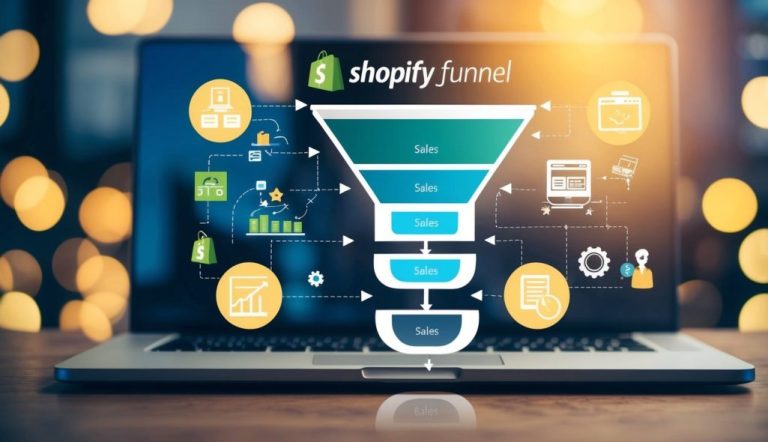
Creating a lead generation funnel can significantly transform your sales process. With a well-structured template, you can guide potential customers seamlessly from interest to purchase. A lead generation funnel template acts as a roadmap for turning prospects into loyal customers.

This template is essential for businesses looking to enhance their marketing strategy. It helps in segmenting leads, capturing valuable data, and nurturing those leads through targeted campaigns. When used effectively, these templates maximize conversion rates and increase your business’s customer base.
As you implement these funnels, it’s important to customize your approach. Tailoring the funnel to fit different business models ensures that you capture and nurture leads most effectively. By optimizing each step, you increase engagement and drive better results.
Key Takeaways
- Templates guide prospects through the sales process.
- Lead nurturing improves conversion rates.
- Customization enhances funnel effectiveness.
Understanding Lead Generation
Lead generation is a process that involves attracting and converting strangers into potential customers. This section covers the basics of how leads are generated, how businesses capture them, and how they qualify these leads to maximize conversions.
Basics of Lead Generation
Lead generation involves creating interest in your product or service, primarily through marketing tactics. The journey often starts with awareness, where potential customers learn about your brand. Then, through targeted strategies, they are nurtured to become interested enough to provide their contact information.
Leads can come from various sources such as websites, social media, advertising campaigns, and more. Each interaction provides an opportunity to engage potential clients further. This early stage is crucial for setting the stage for successful conversion.
Lead Magnets and Lead Capture
Lead magnets are crucial tools designed to attract and capture potential customers’ contact information. They should offer valuable content or benefits in exchange for this data. Examples include free trials, e-books, checklists, and webinars.
Capturing leads involves using forms, landing pages, or pop-ups to collect information. The key is to make the process simple and enticing. Effective lead capture means more potential customers can enter the sales funnel, where they can be nurtured further.
Qualification of Leads
Lead qualification distinguishes between different types of leads to prioritize efforts effectively. Marketing Qualified Leads (MQLs) have shown interest through engagement like downloading a lead magnet, but aren’t ready to purchase. Sales Qualified Leads (SQLs), however, are more likely to convert and may have demonstrated readiness to buy.
Proper qualification allows you to focus resources on leads with the greatest potential for conversion. It involves analyzing behavior, needs, and interactions to ensure each lead receives the right attention. By identifying MQLs and SQLs accurately, you optimize your sales process and improve overall effectiveness.
Essential Components of a Sales Funnel
In setting up an effective sales funnel, it’s important to understand the sales pipeline and the buyer’s journey, while also developing a clear customer persona. This ensures that every stage is tailored to attracting and nurturing potential customers effectively.
The Sales Pipeline Overview
A sales pipeline helps manage prospects at different stages of their journey. It provides a visual model that lets you track, organize, and optimize steps from lead generation to closing a deal.
Typically, a sales pipeline has stages, such as lead generation, qualification, and conversion. These stages allow you to see where your prospects are in their journey and identify bottlenecks. You can better allocate resources and prioritize leads that are most likely to convert.
Organizing your sales process with a structured pipeline makes it easier to address customer needs efficiently. Using tools or templates, like those from SlideTeam, can enhance your overall strategy.
Key Stages in the Buyer’s Journey
The buyer’s journey is a key part of sales funnel stages. It includes awareness, consideration, and decision stages. Your prospects first become aware of their problem, start considering solutions, and finally decide on a purchase.
During the awareness stage, capturing attention with engaging content is crucial. In the consideration phase, provide insightful comparisons and solutions. At the decision stage, aim to close the deal with clear calls to action and offers.
Developing a strategy that aligns with these stages improves customer experience and increases conversion rates. The ClickUp templates offer great insights into addressing buyer stages effectively.
Developing the Customer Persona
A customer persona is a detailed profile representing your ideal customer. It includes demographics, preferences, challenges, and buying behavior. Creating these profiles helps you tailor content and interactions.
When developing a persona, consider demographic information, interests, and pain points. Identify where they interact online and how they make purchasing decisions. These insights help you create targeted marketing strategies.
Use tools like surveys, research, and analytics for accurate personas. A well-developed customer persona guides your marketing efforts, ensuring your sales funnel is focused on people who are most likely to convert into customers. Techniques from UpLead can assist in this process.
Designing Your Funnel
Creating an effective lead generation funnel requires careful planning. You need to define clear business goals and choose templates that match your strategy. Understanding the purchase decision process of your customers is also key.
Setting Business Goals and Objectives
Before choosing a funnel template, you should clearly define your business goals. Identify what you want to achieve, such as increasing sales or growing your email list. Knowing your objectives helps in selecting the right tools and strategies.
Consider using a Squeeze Page Funnel Template if your aim is to quickly capture leads. This type of funnel can be effective in building a substantial email list by encouraging visitors to sign up with enticing offers. It’s essential to align your funnel objectives with your broader business strategies for improved efficiency.
Selecting the Right Funnel Templates
Selecting the best funnel template is crucial to your success. Templates like the Sales Letter Funnel Template and Video Sales Letter Funnel Template are popular choices. If your target audience prefers detailed information, these templates may be particularly beneficial.
Evaluate your target market’s preferences and behavior before deciding. Some businesses find the Sales Funnel Templates helpful in guiding potential customers through a structured process. Ensuring that the template matches the needs of your potential leads can make your funnel more effective.
Mapping the Purchase Decision Process
Understanding your customers’ Purchase Decision process can enhance your funnel’s effectiveness. Recognize the stages they go through before making a purchase: Awareness, Consideration, and Conversion. This helps in structuring your content and offers properly.
You can use tools to track and analyze how potential clients interact at each funnel stage. Mapping out this journey allows for strategic placement of touchpoints that guide the lead towards a buying decision. Having a clear picture of their decision-making process lets you engage more meaningfully with them, increasing conversions.
Lead Capture and Nurturing Strategies
To effectively build and maintain a lead generation funnel, you need to focus on capturing potential leads and nurturing them into committed customers. This involves creating engaging forms, using email marketing, and transforming leads into interested prospects.
Creating Effective Lead Capture Forms
A lead capture form is a crucial tool for gathering information about potential customers. To create an effective form, keep it simple with clear instructions. Focus on essential fields like name, email, and company. Avoid overly long forms as they can deter users.
Incorporate strong calls to action and ensure mobile compatibility. Test different designs to see what works best for your audience. A/B testing can help determine which elements, like button color or form placement, improve conversions.
Use enticing offers, like free e-books or discounts, to encourage users to fill out your forms. Make sure all data collected is stored securely. This not only gains trust but also complies with privacy regulations.
Email Marketing and Automated Follow-Ups
Email marketing is a powerful way to maintain communication with leads. Start by segmenting your email list to send relevant messages. Personalize emails to address specific needs or interests of your leads.
Automated emails, like welcome messages, are great for immediate engagement. Drip campaigns can help nurture leads over time by delivering content at scheduled intervals. Use engaging subject lines and clear, concise content.
Including calls to action in emails can drive leads towards taking specific steps, such as visiting your website or signing up for an offer. Monitor your email campaigns regularly to see what resonates with your audience and make adjustments accordingly.
Nurturing Leads to Hot Prospects
Converting leads into hot prospects requires building strong relationships. Lead nurturing involves providing valuable content that addresses your audience’s pain points. Use a mix of content like blogs, videos, and case studies.
Engage with leads through personalized messages that acknowledge their unique needs. Respond promptly to inquiries and feedback. Segmenting your leads can ensure that each receives information relevant to their stage in the buying process.
Offering free trials or demos can further engage interested leads. Analyze the data from these interactions to understand what turns a lead into a hot prospect. Regularly review your nurturing strategies to improve conversion rates.
Conversion Rate Optimization
Conversion Rate Optimization is key to turning potential leads into actual customers. By understanding conversion metrics, testing offers, and refining the checkout process, you can boost your conversion rates.
Understanding Conversion Metrics
Metrics are crucial in evaluating how well your funnel is doing. Conversion Rate is one of the most important metrics you need to track. It shows the percentage of visitors who complete a desired action, like signing up for a newsletter or making a purchase. Analyzing these rates can help you spot areas where you might lose potential customers.
Regularly reviewing these metrics allows you to make informed decisions. Look at patterns and trends to find which parts of your funnel are underperforming. By addressing these issues, you can improve your lead generation funnel’s efficiency. Proper use of analytics tools can provide insights into user behavior and guide your optimization strategies.
Testing and Improving Offers
Testing different offers is vital for gauging what works best with your audience. A/B Testing is an effective method for comparing two versions of a webpage or offer with slight variations. By doing this, you can identify which version performs better in converting leads.
An enticing incentive can significantly increase conversions. Consider offering discounts, free trials, or exclusive content access to capture your audience’s attention. Keep track of the performance of these offers over time, and be ready to make changes as needed. A well-designed incentive can motivate hesitant visitors to take the desired action.
Optimizing the Checkout Process
A streamlined checkout process can prevent potential lost sales. Customers are more likely to complete a purchase if the process is quick and straightforward. Ensure your checkout process has as few steps as possible, reducing any friction or confusion for the buyer.
Use clear calls to action to guide users toward completing their purchases. Remove unnecessary form fields and offer multiple payment options for convenience. Regularly test this process to identify potential bottlenecks. By enhancing the user experience, you can increase your conversion rate and encourage repeat business.
Utilizing CRM and Analytics Tools
Effectively utilizing a CRM and analytics tools in your lead generation funnel empowers you to optimize customer interactions and anticipate sales outcomes. This improves efficiency in converting leads and supports strategic decision-making.
Integrating Customer Relationship Management
Integrating a Customer Relationship Management (CRM) system is essential for managing interactions with leads and customers. A CRM helps you organize customer data, track communication history, and manage relationships effectively. For instance, you can store contact information, previous interactions, and preferences. This personalization can nurture leads more efficiently.
In addition, a CRM fosters team collaboration by providing a centralized platform where your sales team can access and update customer details in real time. Tools like Salesforce offer customizable dashboards to visualize the sales funnel, enhancing strategic planning. Integrating CRM ensures every team member is aligned, which improves the customer experience and conversion rates.
Analyzing and Tracking Performance
Analyzing and tracking the performance of your lead generation funnel is crucial. You can use analytics tools to monitor key metrics such as conversion rates, customer behaviors, and sales cycle duration.
Tools like Google Analytics or Adobe Analytics provide insights into how prospective customers interact with your funnel.
By identifying areas for improvement, you can adjust your strategies in real time. Regular performance analysis helps in pinpointing which strategies are most effective and which need revision.
This data-driven approach not only enhances lead conversion but also optimizes the overall sales process.
Data-Driven Sales Forecasting
Leveraging customer data through analytics enables data-driven sales forecasting. This practice involves using historical data and current market trends to predict future sales outcomes.
It helps in setting realistic sales targets and allocating resources effectively.
With accurate sales forecasts, you can tailor strategies to meet anticipated demands and adjust marketing efforts accordingly. The use of predictive analytics allows you to identify potential bottlenecks in the sales funnel, making proactive adjustments.
This strategic approach ensures that you are well-prepared to meet market demands and capitalize on opportunities.
Maximizing Customer Lifetime Value
Boosting customer lifetime value involves strategies like implementing upsells and downsells, enhancing retention, and increasing the average order value. Each approach offers different ways to engage customers and drive revenue growth without needing new leads.
Implementing Upsells and Downsells
Offering upsells and downsells can significantly impact customer value. Upsells introduce higher-end products or services that complement a customer’s purchase. For example, if a customer buys a smartphone, you might suggest premium headphones.
Downsells offer a lower-priced option when a customer hesitates. This ensures the sale isn’t lost entirely.
It’s essential to offer choices relevant to the customer’s interests and needs. Timing is crucial, so consider suggesting these options at checkout or soon after the purchase.
Enhancing Customer Retention
Strong retention strategies are vital for maximizing customer value. Engaging customers after the sale can build loyalty. This means offering excellent customer service and personalized offers based on previous purchases.
Regularly communicate through newsletters or special promotions to keep your brand top-of-mind.
Creating a loyalty program is another effective method. Reward customers for repeat purchases, referrals, or engagement to encourage continued business.
Happy customers are more likely to return and recommend your brand to others.
Increasing Average Order Value
To increase the average order value, consider offering bundles or sets of products. This strategy encourages customers to spend more in a single transaction. For example, if a customer buys a laptop, suggest including a mouse or extended warranty.
You can also implement free shipping thresholds to encourage larger purchases. Inform customers how much more they need to spend to qualify for this offer.
Displaying related items or popular product combinations can also prompt customers to add more to their carts.
Scaling Your Sales Funnel
To effectively scale your sales funnel, it’s crucial to explore new markets, utilize affiliate marketing, and implement strategies that automate and support growth. Each approach leverages different aspects of your marketing strategy, helping you reach a broader audience and improve lead generation.
Expanding to New Markets
Venturing into new markets demands a clear strategy. Research is vital to identify regions with potential demand for your product.
Analyze competitors and understand local customer preferences. Tailor your product offerings and sales strategies to match these unique needs.
Localization is key. Adjust your marketing materials, website, and advertisements to resonate with the new audience.
Hiring local experts or consultants can offer insights that reduce entry barriers. Strong partnerships with local businesses help in understanding cultural differences and building trust faster.
Leveraging Affiliate Marketing
Affiliate marketing is a powerful tool for scaling. By partnering with affiliates, you can dramatically increase traffic generation and expand your reach.
Affiliates use their platforms to promote your product, driving more potential customers to your funnel.
Offer competitive commission rates to attract quality affiliates. Provide them with marketing materials, like banners and content templates, to ensure consistent messaging.
Track their performance through an affiliate program platform, adjusting your strategy based on results.
This method broadens exposure and is a cost-effective way to generate more leads and sales.
Automation and Scaling Strategies
Automation is crucial in scaling. Implementing automated emails and customer relationship management (CRM) tools can streamline your operations.
This helps you maintain engagement with leads without manually handling each interaction.
Automated email campaigns nurture leads through the funnel, providing timely information and offers.
Invest in analytics tools to monitor funnel performance. Use insights to refine your marketing strategy, adjusting traffic generation tactics until they yield optimal results.
Automation enhances efficiency and ensures that as you increase your reach, you maintain high customer service standards and engagement.
Tailoring Funnels for Various Business Models
Different business models require unique approaches to creating effective sales funnels. It’s important to consider the specific needs of each business type, such as SaaS platforms, e-commerce stores, and online course providers. Tailoring your funnel strategy to your business model ensures that you attract and convert the right leads.
SaaS Sales Funnel Considerations
For SaaS businesses, a clear focus is on trials and subscriptions. Building trust with potential clients is crucial, which can be achieved through offering free trials or demos.
These opportunities allow users to experience the product without commitment, making them more likely to subscribe.
Implementing targeted digital marketing strategies helps in lead generation. Developing content that highlights your software’s unique features and benefits is effective for capturing the interest of potential customers.
Follow up with engaging email campaigns that nurture leads based on their interactions to ensure higher conversion rates and lower churn.
E-commerce Funnel Nuances
E-commerce businesses thrive by simplifying the path from browsing to purchasing. A well-crafted squeeze page funnel is key to capturing leads through special offers or discounts, encouraging quick decision-making.
These pages should be visually appealing and easy to navigate, highlighting the value of your products.
Retargeting through digital marketing can boost conversions. By focusing ads on abandoned cart reminders or personalized recommendations, you increase the chances of customers returning to complete their purchases.
Leveraging email marketing to offer post-purchase upsells or personalized deals also enhances repeat sales and customer loyalty.
Funnels for Online Courses and Information Products
When selling online courses, your funnel must focus on building authority and demonstrating value. Webinars or free educational content can attract prospective students, allowing them to experience the course’s potential benefits first-hand.
Utilizing lead generation funnels tailored to inform and engage is crucial. Offering downloadable resources or free mini-courses can capture interested prospects.
It’s essential to establish an expert presence that assures potential buyers of the course’s credibility, prompting them to invest in the full offering.
Engaging follow-up sequences that nurture leads and address common objections help convert interest into enrollment.
Frequently Asked Questions
Creating a lead generation funnel involves setting up structured steps to guide potential customers through their journey. Key components include utilizing templates, analyzing performance, and optimizing strategies to increase efficiency.
How do you create a lead funnel?
To create a lead funnel, identify your target audience and the steps they take from awareness to purchase. Use engaging landing pages and forms to capture leads.
Follow up with targeted content that nurtures them through the sales process.
Can I create a funnel in Canva?
Yes, Canva provides templates that can help visually design a lead funnel. You can create eye-catching visuals and charts that map out each step of the funnel, making it easier to understand and implement.
What is the typical structure of a lead generation funnel?
A typical lead generation funnel includes stages like awareness, interest, decision, and action. At each stage, potential leads are presented with relevant content that encourages them to move to the next step, eventually converting them into customers.
What are the key components of an effective funnel template?
An effective funnel template includes clear calls to action, engaging content, and efficient lead capture forms. It also incorporates email sequences and follow-ups designed to nurture leads and guide them toward conversion.
How can I track the performance of my lead generation funnel?
Tracking the performance involves using analytics tools to monitor conversion rates, engagement levels, and lead quality.
Reviewing metrics like click-through rates and customer feedback can provide insights for improvements.
What are the best practices for optimizing a lead funnel?
To optimize a lead funnel, continuously test different elements such as the headlines, content, and calls to action. Regularly update your funnel based on data analysis and feedback to ensure it remains effective in converting leads.