For small brands, gaining visibility can be a challenge in a crowded market. Influencer marketing offers a unique opportunity to stand out by partnering with individuals who already have established trust with their audience. Collaborating with the right influencers can increase brand awareness and build authenticity. This strategy is especially beneficial for small businesses looking to expand their online presence without a massive budget.
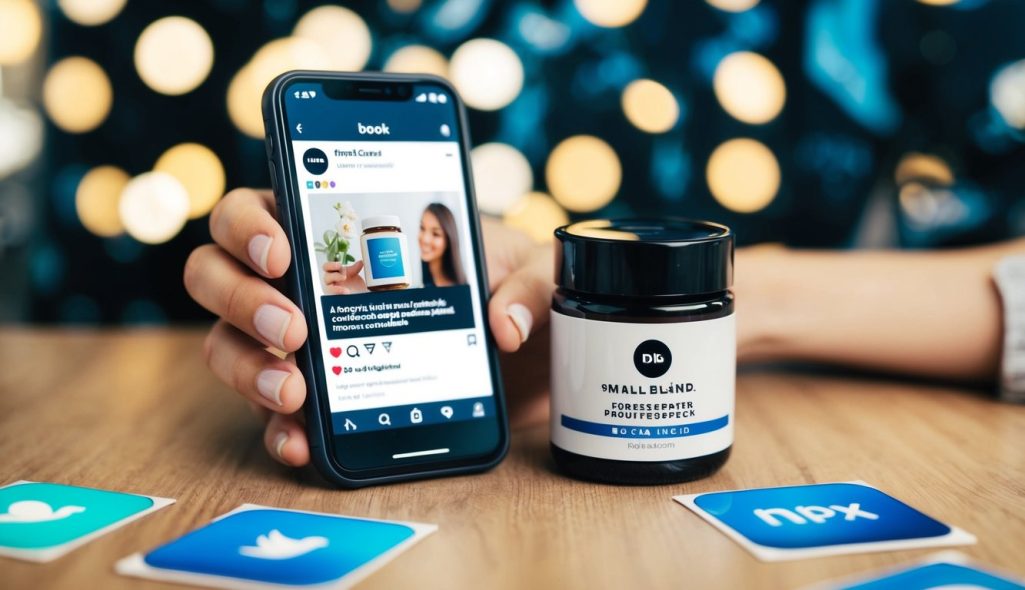
Influencer marketing doesn’t always require partnerships with celebrities. Micro-influencers, or those with smaller, more engaged followings, can offer significant advantages. They often connect with niche audiences, making your marketing efforts more targeted and cost-effective. Engaging with these influencers can help you reach specific communities that align with your brand’s values and mission.
When you decide to use influencer marketing, make sure to craft a clear strategy and set realistic goals. Identify the influencers who resonate with your brand and audience and establish genuine connections with them. With the right approach, leveraging influencer partnerships can become a powerful tool to promote your brand and drive meaningful engagement.
Key Takeaways
- Influencer marketing boosts small brands’ visibility.
- Micro-influencers offer targeted engagement opportunities.
- Clear strategies are essential for successful influencer partnerships.
Understanding Influencer Marketing
Influencer marketing leverages individuals with strong online followings to promote products or services. This marketing approach has expanded over the years and includes influencers of different scales. By understanding types of influencers, small brands can tailor their strategies to fit their goals.
The Basics of Influencer Marketing
Influencer marketing involves partnering with social media personalities to boost brand awareness and sales. Unlike traditional advertising, it uses authentic engagement to connect with audiences. Influencers share personal stories and product experiences, making promotions feel genuine.
Brands often choose influencers who align with their values and target market. This alignment ensures that the influencer’s followers are likely to be interested in the brand’s offerings. By choosing the right partnerships, brands can effectively reach their intended audience.
Types of Influencers
Influencers vary in size and reach. Nano-influencers have fewer than 1,000 followers but offer high engagement rates. They often have close-knit communities that trust their opinions.
Micro-influencers typically have between 1,000 to 100,000 followers. Their audience is larger than nanos, yet they still maintain a strong connection with followers. Micro-influencers are particularly valuable for niche markets.
Macro-influencers and mega-influencers have vast audiences, often surpassing 100,000 followers. While they command high fees, they offer extensive reach. Brands looking for widespread visibility may consider macro-influencers or celebrities for their campaigns.
Benefits for Small Brands
Small brands can gain significant advantages from influencer marketing. Collaborating with influencers can increase brand awareness and foster community trust. Influencers can help create content that resonates with your target demographic.
By partnering with nano and micro-influencers, small brands often benefit from cost-effective campaigns due to lower fees. These influencers are usually more accessible than larger names and can tailor their messaging more personally.
Additionally, influencer marketing can lead to high return on investment as these campaigns can deliver immediate business impact, such as increased sales and conversions. Small brands should focus on authentic connections with influencers to maximize impact.
Developing Your Strategy
When developing your influencer marketing strategy, focus on setting clear objectives, understanding your target audience, and choosing the right platforms. These steps are crucial for reaching your marketing goals effectively and maximizing brand awareness.
Setting Clear Objectives
Clearly defined objectives guide your influencer marketing strategy. Begin by identifying specific goals like boosting brand awareness, increasing sales, or engaging a targeted audience. Be specific: aim to grow Instagram followers by 20% or boost sales by 15%.
Create measurable goals using a SMART approach—Specific, Measurable, Achievable, Relevant, Time-bound. If your goal is to enhance brand visibility, decide what percentage increase you aim for within a set timeframe.
Tracking progress is important. Use analytics tools to monitor growth, engagement, and conversions.
Being precise about your goals helps in forming campaigns that are more likely to succeed.
Defining Your Target Audience
Knowing your targeted audience is crucial. Start by analyzing demographics like age, gender, and location. Consider interests, behaviors, and preferences to create detailed audience profiles.
To understand your audience better, use data from your website analytics and social media insights. This data will unveil users’ interests and the influencers they follow. For instance, if you find that your audience is active on platforms like Instagram or TikTok, these platforms should be part of your strategy.
Creating audience personas can help you visualize who you’re trying to reach, ensuring that your influencer partnerships resonate with them.
Choosing the Right Platforms
Selecting the best social media platforms is essential for influencer marketing. Consider where your target audience spends their time. If they prefer visual content, platforms like Instagram and TikTok are great choices.
YouTube offers long-form video opportunities, which can be effective for detailed product demonstrations or tutorials. Think about the strengths of each platform and align them with your goals.
Assess the types of influencers active on these platforms. Check engagement rates and content styles to see if they fit your brand. Using the right channels helps your message reach the intended audience more effectively.
Finding and Partnering with Influencers
To successfully leverage influencer marketing, a small brand must first identify the right influencers and then develop strong connections and partnerships. This involves a carefully planned process of discovery, outreach, and negotiation to ensure mutual benefit and alignment.
Identifying Potential Influencers
Start by defining your brand’s goals and target audience. Look for influencers whose followers match these demographics. Use tools like an Influencer Database to filter social media influencers based on audience size, engagement rates, and content style. Consider platforms like Instagram and TikTok where your potential audience might be active.
Explore Creator Marketplaces and Collaboration Hubs to find influencers who align with your brand’s values. These tools help streamline the search process, making it easier to identify potential partnerships that are authentic and effective.
Influencer Outreach and Connection
Once you identify potential influencers, the next step is to reach out. Craft personalized messages that highlight shared interests and propose how your collaboration could be mutually beneficial. Mention specifics about their content that resonate with your brand.
Use platforms like Later Influence to streamline communication and follow-up. Building genuine influencer relationships requires consistent, transparent communication. Show appreciation for their work and provide clear details about what you envision for the partnership.
Negotiating Partnerships
Negotiating partnerships requires clarity and fairness. Start by discussing your expectations and listening to the influencer’s ideas. It’s important to create a win-win situation where both parties feel valued.
Set clear terms regarding deliverables, compensation, and timelines. Make sure to state campaign goals, payment structures, and any exclusive rights to content. This ensures transparency and helps avoid misunderstandings down the line.
Consider creating a formal agreement to facilitate trust and professionalism. Such documentation can outline rights and responsibilities, ensuring that both you and your influencer partner are aligned on all aspects of the collaboration.
Executing Campaigns
When running influencer marketing for small brands, executing campaigns efficiently is crucial. You’ll need to plan meticulously, create compelling content, and constantly monitor performance. Each step will influence your success.
Campaign Planning and Management
Think through every aspect of your campaign before it starts. Begin by setting clear goals for what you want to achieve. These could include increasing brand awareness or boosting sales. Choose the type of campaign that aligns with your objectives, such as sponsored content or user-generated content.
Select influencers whose audience matches your target market. Use tools to manage influencer lists and organize payment details to ensure smooth campaign execution. Automated campaign management platforms can simplify campaign tracking and management, allowing you to focus on strategy rather than logistics.
Content Creation and Approval
Content is key to the success of your campaign. Collaborate with influencers to create authentic material that resonates with their audience and aligns with your brand image. Discuss your content strategy and provide clear guidelines to ensure consistency.
It’s important to have a content approval process. Agree on the types of content, like videos or posts, and how they will be reviewed. Encourage creativity, but make sure the content remains accurate and true to your brand’s message. This collaboration will result in engaging content that enhances the reach of your campaign.
Monitoring Campaign Performance
To understand how well your campaign is doing, monitor performance metrics closely. Metrics like engagement rates, likes, shares, and comments can indicate user interest and involvement. Analyze these using campaign analytics tools to gain insights into what’s working and what needs adjustment.
Regularly review data and make necessary changes to optimize outcomes. Keep track of your return on investment (ROI) to assess the financial effectiveness of the campaign. By continuously analyzing campaign performance and metrics, you can refine strategies and improve future influencer campaigns for better success.
Optimizing Campaigns and Relationships
The key to a successful influencer marketing strategy lies in optimizing both your campaigns and your relationships with influencers. This involves careful analysis, focusing on engagement metrics, and fostering long-term partnerships.
Analyzing Campaign Results
To improve your campaigns, you must pay close attention to analytics. This includes tracking metrics such as engagement rate, reach, and return on investment (ROI). Tools like Google Analytics can help you measure how well a campaign is performing in terms of conversions and audience reach.
Make sure you set clear goals at the start. Compare these goals with actual campaign results to see where you succeeded and where you need improvement. Evaluating what content types and influencer collaborations delivered the best ROI can guide future strategies.
Understanding Engagement Metrics
Engagement metrics are vital for understanding how well your content resonates with audiences. Focus on metrics like likes, shares, comments, and overall engagement rates. A high engagement rate often indicates that the audience finds the content meaningful and relatable.
To measure this, use tools that provide detailed influencer analytics. Check for the consistency of these metrics across different campaigns. Pay attention to shifts in engagement, as these can provide insights into changing audience preferences and help in adapting your content strategy.
Long-Term Relationship Building
Building strong, lasting relationships with influencers can benefit your brand in the long run. It’s important to focus on relationship management, ensuring that partnerships are mutually beneficial. Collaborating repeatedly with the same influencers can raise your brand’s authenticity in the audience’s eyes.
Long-term partnerships often lead to better content alignment, as the influencer gains a deeper understanding of your brand. Encourage open communication and provide creative freedom to your influencers. This not only strengthens the relationship but also enhances the content’s genuine appeal to their audience.
Leveraging Platforms and Tools
To succeed in influencer marketing, choosing the right platforms and using effective tools is crucial. Learn how to select suitable influencer marketing platforms, integrate eCommerce features, and benefit from AI-driven solutions.
Choosing Influencer Marketing Platforms
Selecting the right influencer marketing platforms can significantly impact your campaign’s success. Platforms like Upfluence, Grin, and Afluencer are popular choices. These tools help you find influencers who align with your brand values and target audience.
Upfluence offers advanced features such as search and discovery tools to find the right influencers. Grin provides a comprehensive dashboard to manage collaborations, making it easier to track progress and results. Afluencer helps in connecting specifically with micro-influencers who can provide more authentic engagement. Evaluating these features can help you make informed decisions.
Utilizing Ecommerce Integrations
Integrating eCommerce capabilities with your marketing efforts is essential for driving sales. Platforms like Shopify Collabs allow for seamless collaboration between your online store and influencer campaigns.
This integration can simplify tracking conversions and sales directly from influencer recommendations. You can better attribute sales to specific marketing efforts.
Furthermore, using eCommerce integrations helps in automating inventory updates and managing customer orders generated through influencer campaigns. This reduces manual work and ensures transparency in sales data, optimizing your marketing strategy for better ROI.
Advantages of AI-Driven Solutions
AI-driven solutions are transforming influencer marketing by providing more in-depth analytics and automation. Tools like Influencity and EngageAI offer insights into influencer effectiveness and audience engagement.
These platforms can analyze large volumes of data to predict trends and optimize your campaigns. They help in identifying the best content strategies, suggesting optimal posting times, and predicting campaign outcomes.
The use of AI also reduces the probability of human error and enhances decision-making processes. By leaning on AI-driven solutions, you can ensure that your influencer marketing efforts are both efficient and effective.
Budgeting and Financial Considerations
Setting a smart budget for influencer marketing is crucial for small brands. You need to find cost-effective ways to work with influencers and assess the return on investment to make the most of your spending.
Setting a Marketing Budget
Start by defining your marketing goals and how influencer partnerships align with them. Many brands allocate about 10% to 20% of their marketing budget for influencers.
Consider dedicating a portion for micro-influencer marketing, as they often offer high engagement rates at lower costs. A structured budget helps avoid overspending and ensures your brand reaches its target audience effectively.
Utilize affiliate marketing as a cost-effective strategy. This approach pays influencers a commission based on sales generated from their content, reducing upfront costs.
Testing different budgetary allocations can help identify the most effective strategy for your brand’s unique needs.
Cost-Efficient Influencer Partnerships
Focus on building partnerships with micro-influencers who resonate with your brand. They tend to be more affordable than celebrities and have close connections with their audience. For instance, an Instagram post can range from $500 to $5,000 depending on the influencer’s reach.
Explore product seeding, where you provide free products to influencers in exchange for content creation. This method can lead to authentic endorsements without direct payment, making it budget-friendly.
Additionally, collaborating on creative campaigns can yield impactful results without high expenses.
Negotiate multi-post deals or long-term collaborations for better rates. This ensures that your brand and message are consistently shared, fostering stronger audience connections over time.
ROI Analysis
Evaluating the return on investment is essential. For every dollar spent on influencer marketing, some brands earn an average of $5.78, with potential returns as high as $20. Tracking sales, engagement rates, and brand growth helps measure success.
Use tracking tools or custom discount codes to gauge the effectiveness of influencer campaigns. These methods offer concrete data, helping you refine strategies for future partnerships.
An ROI-focused approach ensures that every dollar contributes to your brand’s growth, justifying the investment in influencer marketing. Regular reviews of campaign performance help pinpoint what works best, allowing for adjustments to maximize returns.
Building Brand Affinity
To build strong brand affinity, you need to align with creators who share your brand values and encourage genuine collaboration. Giving creators some creative freedom in making branded content can also enhance the connection between your brand and its audience.
Enhancing Brand-Creator Alignment
Aligning with the right creators is essential for building brand affinity. When selecting creators, look for those whose values and interests match yours. This ensures the partnership feels natural and resonates with audiences. Tools like Brandwatch can help analyze and identify potential influencers who align well with your brand image.
Having a strong synergy between the brand and creator improves audience engagement. When a creator genuinely appreciates the brand, it shows in their content, making it more believable for followers.
Consider establishing Ambassador Programs to foster long-term relationships with creators who consistently reflect your values and engage your audience effectively.
Encouraging Authentic Collaboration
Authenticity is the key to successful influencer partnerships. When you work with creators, focus on building genuine relationships rather than just transactional deals. Encourage open communication to understand each other’s goals, ensuring both parties can benefit from the collaboration.
Providing creators with background information about your brand helps them create content that feels authentic. Let them share personal stories or experiences with your products.
This makes the collaboration more relatable and credible for their audience. Authenticity in influencer marketing leads to increased trust and loyalty among consumers, fostering a deeper emotional connection with your brand.
Creative Freedom and Branded Content
Giving influencers creative freedom is crucial when it comes to branded content. While you should provide guidelines about brand messaging and tone, allowing creators to inject their unique style can make the content more engaging and impactful.
This approach not only enhances authenticity but also helps reach audiences more effectively.
For successful collaboration, it’s essential to trust the creators’ understanding of their followers. They know best what resonates with their audience. Allowing creative freedom, coupled with strategic input from your brand, can lead to more compelling content. This not only supports your brand’s image but also strengthens the bond between the creator, the audience, and your brand.
Evaluating Success and Scaling
To grow your small brand with influencer marketing, you need to know how well your campaigns are doing and find ways to expand effectively. Checking the results, reaching out to more influencers, and adapting your strategies are key steps in this process.
Assessing Campaign Effectiveness
Start by tracking key metrics to understand your campaign performance. This includes the engagement rate, which measures how often people interact with your content. A high engagement rate means your audience is interested.
Look at the audience demographics of the influencer’s followers. Ensure they match your target market. Checking this can help make sure your message gets to the right people.
Finally, consider the later influence of your campaign. This is about whether your brand continues to benefit after the campaign ends. Look for an increase in sales or social media followers in the weeks following the campaign to gauge this.
Expanding Your Influencer Network
To scale, consider partnering with nano-influencers. Though they have fewer followers, they often have a more engaged audience. This can lead to better results per dollar spent.
Engage in creator outreach by personally contacting influencers who represent your brand values well. Building strong relationships can lead to future collaboration opportunities.
Build a diverse network. This means working with influencers of different sizes and styles. This diversity helps you reach different audience segments, expanding your market reach effectively.
Adjusting Strategies for Growth
If your current approach isn’t yielding desired results, it’s important to adjust your strategies. Look at your current influencers’ engagement statistics and refine your tactics from there.
Consider experimenting with different content types. For example, video content often sees higher engagement. You might also try new platforms that your target audience uses.
Evaluate the return on investment for each influencer. If one consistently delivers better results, focus more on that style of influencer. This approach helps optimize your budget, ensuring continued growth and effective scaling.
Frequently Asked Questions
Below are some common questions small brands have when exploring influencer marketing. These key points address strategies, success measurement, platform choice, influencer identification, budget, and potential pitfalls.
What strategies should small brands focus on when starting with influencer marketing?
For small brands, it’s important to target micro-influencers who have highly engaged audiences. Building authentic relationships with influencers can enhance brand credibility. Another strategy is to create jointly crafted content that aligns with both the brand’s and influencer’s values.
How can small brands measure the success of their influencer marketing campaigns?
Tracking metrics like engagement rates, website traffic, and conversion rates helps you evaluate success. Utilize tools that offer analytics to understand campaign performance. It’s also crucial to define clear objectives before the campaign starts.
Which social media platforms are most effective for small brands looking to engage in influencer marketing?
Instagram and TikTok are popular choices due to their visual focus and wide array of influencers. Platforms like these allow creative and interactive content that resonates well with audiences. Research where your target audience spends their time.
How can small brands identify and reach out to the right influencers for their marketing campaigns?
Begin by researching influencers who share your brand’s niche and values. Use influencer marketing platforms to find suitable candidates. When reaching out, personalize your messages to highlight why you chose them and how a partnership could be mutually beneficial.
What budget considerations should small brands have in mind for influencer marketing efforts?
Budget wisely by starting with smaller collaborations. Know the typical rates for your desired influencers and stick to a budget that considers not only the influencer fees but also any additional costs for content creation.
What are some common pitfalls small brands should avoid in influencer marketing?
Small brands should avoid partnering with influencers based solely on follower count. Instead, they should focus on engagement and alignment with their brand. Another mistake is failing to set clear agreements, which can lead to misunderstandings. Always define goals and expectations upfront.