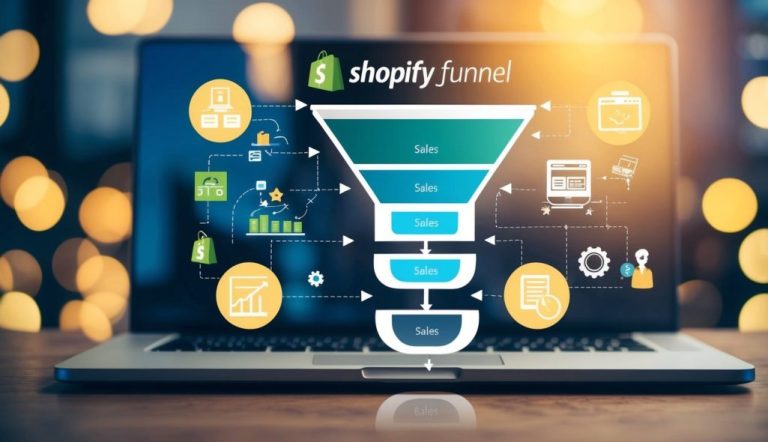
Increasing e-commerce sales can seem like a challenging task, but you can achieve it with the right strategies.
One effective way to boost ecommerce sales is to optimize your website design and user experience. This means you should ensure your site is easy to navigate, loads quickly, and provides a seamless shopping experience. Leveraging marketing tactics like social media promotions can also draw more visitors to your store.
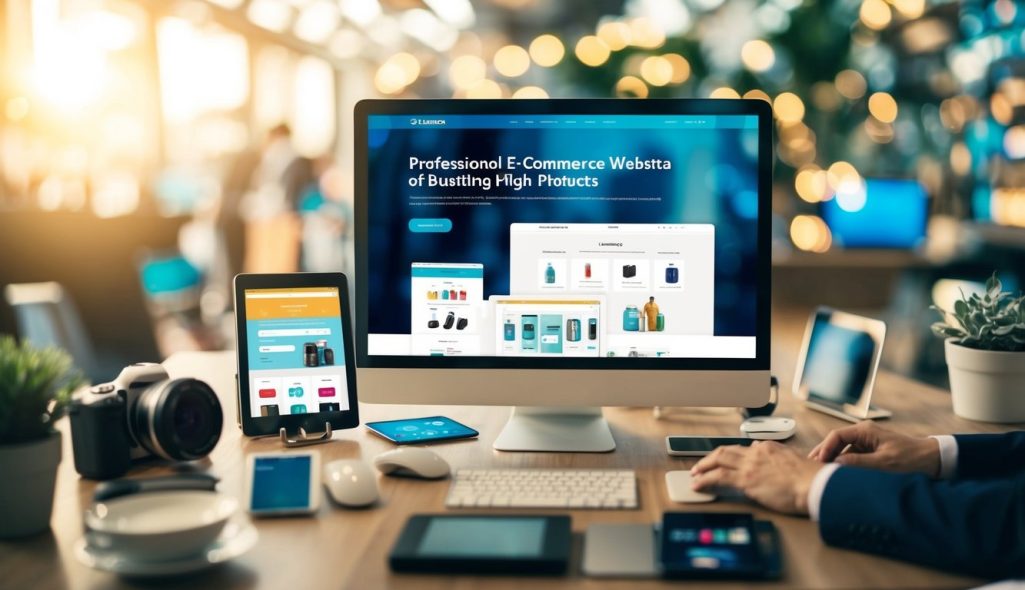
Creating compelling product presentations can capture attention and draw customers in. Use high-quality images and detailed descriptions to showcase your products’ unique features. Sales promotions, like discounts or limited-time offers, can entice customers to complete a purchase.

Enhancing the checkout process by offering multiple payment options reduces friction and cart abandonment.
Building customer loyalty is essential for sustained growth. Encourage repeat purchases by providing excellent customer service and creating personalized shopping experiences. Consider loyalty programs or personalized recommendations to keep customers coming back.
By addressing these areas, you can pave the way for e-commerce success.
Key Takeaways
- Optimize your site for a better shopping experience.
- Use marketing and promotions to attract customers.
- Focus on building customer loyalty for long-term growth.
Understanding Online Consumer Behavior
To increase e-commerce sales, grasping how your customers think and behave online is key. This involves understanding the psychological processes of decision-making and recognizing the power of reviews and testimonials.
The Psychology Behind E-commerce Purchases
Your e-commerce site can benefit greatly from knowing the psychological factors that drive online purchases. Every click, view, and purchase is influenced by emotions, instincts, and user experience.

Simplifying the shopping experience can encourage more sales. For instance, using an intuitive design reduces friction and guides customers smoothly from interest to purchase.
Trust signals, such as secure payment icons and easy return policies, play an essential role in building trust. Consumers often look for reliability before completing a transaction. Customer service is another critical element, as helpful and prompt support can turn uncertain buyers into loyal customers.
Impacts of Customer Reviews and Testimonials
Customer reviews and testimonials provide social proof that can significantly impact buying decisions. Positive feedback from other users adds credibility and helps new customers feel secure about their purchase choices.
Reviews should be prominently displayed to reassure customers, turning their uncertainty into confidence.
Product reviews are not just about ratings; the detailed customer experience shared by others can answer questions potential buyers may have. Highlighting specific stories or quotes from testimonials can further connect with prospective buyers on an emotional level. Encouraging current buyers to leave feedback can bolster your site’s reputation, increasing trust and driving more sales.
Optimizing Website Design and User Experience
Improving e-commerce sales starts with creating a website that is easy to use and attractive. Focus on mobile optimization and efficient navigation to enhance user experience and boost conversion rates.
Mobile Optimization and Responsive Design
Your website should work well on all devices, especially mobile phones. With more people shopping on their phones, mobile optimization is crucial for better user experience.
Make sure your site uses responsive design, which adjusts the layout based on the screen size automatically. This ensures your visitors have a seamless experience as they switch between devices.
Responsive design helps improve your SEO ranking by making your site more accessible to users. Google’s search algorithm favors mobile-friendly sites, which can increase your site’s visibility and traffic. Consider incorporating schema markup to further enhance search engine results, making your site stand out among competitors.
Website Navigation and Search Functionality
Efficient navigation is key to keeping visitors engaged. When your site is easy to navigate, users are more likely to explore and make purchases.
Ensure that your menus are simple and logical. Limit the number of items in drop-down menus to prevent overwhelming your customers.
Implement a strong search functionality to allow users to find what they’re looking for quickly. Having clear and effective search options can greatly enhance the overall user experience. Including filters and suggestions in search will aid users in discovering products that fit their needs, thus improving conversion rates.
Leveraging Marketing and Advertising
Marketing and advertising play a crucial role in driving e-commerce sales. By using strategies such as email campaigns, social media, influencer partnerships, and Google Ads, you can increase your store’s reach and engage potential customers effectively.
Email Marketing Strategies
Email marketing is one of the most effective tools for engaging with customers. Creating targeted email marketing campaigns helps in delivering personalized content to your audience.
Segment your email list based on customer behavior and preferences. This ensures that your messages are relevant and engaging.
Use attention-grabbing subject lines to increase open rates. Regularly analyze metrics like open rates and click-through rates to refine your strategy. Offer exclusive deals or information not available elsewhere to encourage subscribers to take action.
Social Media Impacts
Social media marketing is essential for building brand awareness and customer engagement. Platforms like Instagram, Facebook, and Pinterest allow you to showcase your products visually and interact with your audience.
Post consistently to keep your brand relevant.
Engage with followers through comments and messages. Use features like Instagram Stories or Facebook Live to present new products or behind-the-scenes content. Collaborate with users who have a large following to expand your reach and attract new customers.
Influencer Marketing Techniques
Influencer marketing involves partnering with individuals who have significant online followings. Choose influencers whose audience aligns with your target market.
Effective influencer marketing can boost brand awareness considerably.
Work with influencers to create authentic content showcasing your products. Encourage them to share their genuine experiences to resonate with their followers. This can lead to increased trust and higher conversion rates. Track campaign results to ensure the partnership is achieving your marketing goals.
Utilizing Paid Advertising and Google Ads
Paid advertising, including Google Ads, lets you reach a wider audience rapidly. Design ads that highlight your products’ benefits and use relevant keywords to increase visibility.
With Google Ads, you can target users searching for similar products, leading to more qualified leads.
Monitor and adjust your ad spend to ensure cost-effectiveness. Use A/B testing to understand which ad variations perform best. By honing your paid advertising strategy, you can maximize your return on investment and drive substantial traffic to your e-commerce site.
Improving Product Presentation
To boost e-commerce sales, presenting your products effectively is crucial. This involves writing engaging product descriptions and using eye-catching, high-quality images and videos.
Enhancing Product Descriptions
Product descriptions should capture the attention of potential buyers right away. Use clear and concise language that highlights the key features and benefits of your products. Break down the features into bullet points or short paragraphs to make them easy to scan.
Incorporate relevant keywords naturally, which can improve search engine rankings and help customers find your products easily. Tailor the tone and style to match your brand’s voice, ensuring consistency throughout your store. A strong call to action can also guide customers toward making a purchase decision.
Using High-Quality Images and Videos
Images and videos are powerful tools in online shopping. High-quality, clear photos can show products from different angles, helping customers visualize them better.
Consider using zoom functionality so shoppers can see details up close. A consistent style for all your product images helps maintain a professional look.
Videos can go a step further by showing the product in use. This can be more convincing than static images alone.
Make sure videos are concise, focus on highlighting benefits, and maintain good lighting and sound quality. This not only attracts more viewers but also builds trust with your customers.
Sales and Promotion Strategies
To effectively increase e-commerce sales, it’s essential to leverage both time-sensitive promotions and strategic upselling techniques. Implementing discounts, flash sales, and targeted product suggestions can significantly boost conversions and elevate your store’s performance.
Implementing Discounts and Flash Sales
Discounts and flash sales are potent tools for enhancing sales quickly. Offering limited-time discounts can create a sense of urgency, prompting customers to act swiftly, thereby increasing your conversion rate.
An effective method is to announce these deals via email and social media to maximize reach.
Providing free shipping alongside a discount can further entice customers. You may consider bundling items at a discounted price, which can help move inventory faster. Flash sales work best when they’re communicated clearly and scheduled during peak shopping periods.
Organize these promotions on a dedicated landing page to ensure effectiveness. It’s crucial to analyze the results post-sale to fine-tune future strategies.
Effective Upselling and Cross-Selling
Upselling and cross-selling are essential strategies to increase average order value. Upselling involves suggesting a superior product model or feature, while cross-selling promotes complementary products.
For upselling, highlight the benefits of upgraded items. For instance, when a customer views a smartphone, suggest models with higher storage or better cameras.
In cross-selling, suggest related products—like offering phone cases or screen protectors alongside the smartphone.
Automated recommendation tools on your site can make these suggestions seamless. Regularly track customer behaviors and preferences to personalize recommendations, enhancing the likelihood of conversions. These techniques can be powerful components of a broader strategy to boost sales without significant additional marketing costs.
Enhancing Checkout Process and Payment Options
Improving the checkout process and offering diverse payment options are crucial for boosting e-commerce sales. Simplifying each step can reduce cart abandonment and increase the conversion rate.
Streamlining the Checkout Experience
A simple and efficient checkout process keeps customers engaged and lowers the chance of cart abandonment. Start by eliminating unnecessary steps and fields. This helps speed up the process for all users, making it easier to complete a purchase.
Offer guest checkout as an option. Some customers prefer not to create an account, so providing this feature can attract more buyers.
Also, ensure the checkout interface is clear and intuitive. Include progress indicators, so users know where they are in the process. Clearly display totals and shipping costs early to avoid surprises. For more tips on optimizing the checkout experience, check out these best practices for maximizing sales.
Offering Multiple Payment Options
Providing multiple payment options is essential in today’s diverse market. This involves adding methods like credit cards, debit cards, and digital wallets such as PayPal or Apple Pay.
Customers appreciate flexibility, so offering choices can significantly enhance their experience.
Digital wallets are increasingly popular. They provide quick and secure transactions, appealing to tech-savvy consumers. As a result, including them can improve your site’s conversion rate.
It’s also vital to ensure the payment process is secure. Highlight security features like encryption and secure payment logos to build customer trust. Offering a variety of payment options and ensuring security can contribute to smoother transactions.
Building Customer Loyalty and Retention
Building strong customer loyalty and retention is key for increasing e-commerce sales. This involves using strategies like loyalty programs and personalizing communication to encourage repeat purchases and enhance customer lifetime value.
Creating a Loyalty Program
A loyalty program can significantly boost customer retention. When you offer rewards for repeat purchases, customers are more likely to return.
These rewards might include discounts, exclusive offers, or points that accumulate with each transaction. A well-structured program not only encourages customers to repeat purchases but also strengthens their emotional connection to your brand.
Consider using tiered rewards based on spending levels. This approach motivates customers to reach higher tiers for better offers. Effective programs often simplify redemption processes to enhance convenience. Tracking participation and redemption data helps tailor the program to meet your customer’s preferences.
Personalization and Customer Engagement
Personalization is crucial to fostering customer engagement. By sending personalized messages, such as personalized product recommendations or birthday discounts, you create a more intimate shopping experience.
This strategy increases engagement and makes customers feel valued, which can lead to higher customer lifetime value.
Using customer data to tailor content and offers is vital. Regular engagement can be achieved through customized emails and targeted advertisements based on browsing history. Incorporate customer feedback to improve your products and services, further enhancing the personalized experience. This kind of customer engagement not only supports loyalty but also encourages word-of-mouth promotion.
Optimizing the E-commerce Platform
Enhancing your e-commerce platform involves selecting the best platform for your needs and effectively using data insights. These key steps can significantly improve online shopping experiences and drive sales growth.
Choosing the Right E-commerce Platform
Selecting the right platform is crucial in setting up a successful ecommerce store. A good platform should seamlessly handle website visitors and transactions while being easy to manage.
Platforms like Shopify and WooCommerce offer various features tailored to diverse business needs.
Consider factors such as scalability, payment integrations, and ease of use. Also, analyze how the platform supports SEO and mobile responsiveness to drive organic traffic. Evaluate pricing structures and choose one that aligns with your budget and business goals.
Analyzing E-commerce Data and Analytics
Data analytics helps you understand customer behavior and identify top-selling products. Tools like Google Analytics provide insights into website visitors, helping you optimize your strategies. Focus on metrics such as conversion rates, average order value, and bounce rates.
Use analytics to tailor marketing efforts and improve customer retention. Tracking sales patterns allows you to adjust inventory and product offerings accordingly. By leveraging data, you can make informed decisions that boost sales and enhance customer experiences.
Reducing Cart Abandonment
Improving e-commerce sales often involves tackling one key issue: cart abandonment. By addressing reasons why shoppers leave their carts without buying and using targeted strategies like abandoned cart email campaigns, you can boost purchases and revenue.
Tackling Shopping Cart Abandonment
To effectively reduce cart abandonment, you should first simplify the checkout process. Make sure it involves as few steps as possible. Clear design and easy navigation help users complete their purchase smoothly. Offering guest checkout options can also prevent tedious account creation from scaring off potential buyers.
Providing multiple payment options increases the chances of finalizing sales. Shoppers feel more comfortable buying if they find their preferred payment method available. Lastly, attract attention through retargeting ads on platforms like Google Ads or Facebook, targeting users who previously viewed your products.
Abandoned Cart Email Campaigns
Using abandoned cart emails is a smart strategy to win back potential customers. When a cart is abandoned, you can send timely reminders, often within 24 hours, to nudge shoppers to complete their purchase. Personalize these emails to make them more engaging, perhaps by including users’ names and specific items they left behind.
Highlight any special offers they may miss, like discounts or free shipping, as incentives. Building a strong email list is crucial for this strategy, ensuring you have contacts to reach out to when needed. Consistent follow-ups can convert these abandoned carts into completed sales, boosting your revenue effectively.
Expanding Through Sales Channels and Marketplaces
Expanding your reach through various sales channels and online marketplaces is crucial for increasing e-commerce sales. This approach allows you to get your products in front of more potential customers and adapt to the evolving digital landscape.
Exploring Various E-commerce Sales Channels
To boost your sales, consider utilizing multiple sales channels. These can include social media platforms, such as Facebook and Instagram, where engaging content can attract buyers. Setting up a retail presence, like a pop-up shop or booth at local markets, helps build in-person connections.
Implementing additional channels like these diversifies your customer base and boosts visibility. Don’t forget to enhance your channels with easy navigation and clear calls to action to encourage purchases.
Also, marketplaces like eBay and Etsy can complement your own online store. They have built-in customer bases, offering a seamless way to connect with buyers looking for your type of products. Ensuring you’ve optimized your listings and used attractive images and competitive pricing contributes to success in these channels.
Integration with Marketplaces like Amazon
Marketplaces such as Amazon are vital due to their massive customer reach. Integrating your e-commerce operations with Amazon can greatly increase sales. Start by creating a professional seller account and ensuring all product listings are accurate, with high-quality images and detailed descriptions.
Using Fulfillment by Amazon (FBA) can simplify logistics by allowing Amazon to handle storage, packing, and shipping. This also benefits from Amazon Prime, increasing the trust and visibility of your products.
Keeping track of customer reviews and responding promptly helps maintain a positive reputation. Regularly updating and optimizing your product listings can improve your product’s ranking on Amazon, making it more visible to potential buyers.
Frequently Asked Questions
What are effective e-commerce sales strategies for 2024?
To increase sales in 2024, focus on enhancing customer experience through personalized marketing and live customer support. Using tools like e-commerce chatbots and maintaining a comprehensive FAQ page can streamline the user experience.
How can I increase revenue in my e-commerce business?
Address cart abandonment by implementing retargeting ads and sending reminder emails. These efforts can reclaim lost sales and enhance your revenue streams. Additionally, refining your checkout process and offering multiple payment options can boost conversion rates.
What tips can help boost sales on my e-commerce website?
Optimizing your website’s design ensures a strong first impression, which is crucial since potential customers decide quickly whether to stay. Pay attention to the site’s load time, mobile compatibility, and navigation to keep visitors engaged and ready to purchase.
What are the best practices for growing an e-commerce business?
Adopting a customer-centric approach can make a significant impact. Engage with your audience regularly and gather feedback to understand their needs better. Also, leverage data analytics to make informed decisions that can foster growth.
How can I improve the visibility of my e-commerce site to attract more customers?
Increase your site’s visibility through search engine optimization and pay-per-click advertising, which are effective in driving traffic. Utilizing social media marketing and email campaigns can also draw more customers to your site and improve engagement.
What innovative techniques can e-commerce businesses use to enhance customer engagement and sales?
One strategy is to use interactive content like videos and live demos to engage potential customers. Another technique is to employ personalized offers and recommendations based on user behavior. This can lead to higher conversion rates and sales.