In the rapidly changing world of social media, crafting a winning Facebook marketing strategy for 2025 is key to staying ahead. Understanding the latest trends and features on Facebook can help you effectively reach your audience and enhance your brand presence.
Facebook offers powerful tools and strategies to connect with its massive global user base, allowing businesses to build and nurture relationships.
You need to focus on optimizing your advertising efforts and designing engaging content that captures attention. Using Facebook Ads effectively is crucial as the platform increasingly becomes pay-to-play.
Knowing your audience and tailoring your content to their interests will set you apart from the competition.
Tracking performance with Facebook Analytics enables you to refine your strategies and achieve better results. Leveraging new features and technology gives you a competitive edge. Whether you’re a small business or a large corporation, tapping into Facebook’s potential can lead to greater visibility and business growth.
Key Takeaways
- Understand Facebook’s trends for effective audience reach.
- Use optimized ads and engaging content for better results.
- Analyze performance and use emerging tech for an edge.
Facebook Marketing Landscape in 2025
In 2025, Facebook marketing is expected to integrate advanced technologies and shifting user trends. You’ll need to adapt to these changes to succeed. Understanding how social media platforms like Facebook evolve will be crucial for maintaining a competitive edge.
Evolving Social Media Marketing Trends
Social media in 2025 is more visually driven. Live videos, AR, and VR experiences dominate user engagement. Interactive content, such as polls and quizzes, will also see a surge in popularity.
Digital marketers must prioritize these engaging formats to capture attention effectively.
AI will play a crucial role in analyzing user data. Predictive analytics will help tailor content to individual preferences. This will make ads more relevant and boost their effectiveness. Chatbots, powered by AI, will further enhance customer interaction and satisfaction.
Expect privacy concerns to continue shaping marketing strategies. Transparency and adhering to data protection regulations will be vital for maintaining user trust. Using first-party data while respecting privacy can help optimize personalization efforts.
Facebook’s Role in Social Media Strategy
Facebook remains a key player in social media marketing strategies. Its vast user base provides an expansive audience. In 2025, focusing on community engagement over simply gaining followers is crucial. Building genuine connections will foster brand loyalty and enhance your reach.
Leveraging Facebook’s advanced ad targeting features can improve campaign results. Features like dynamic ads allow personalization at scale, delivering tailored messages to different audience segments. This boosts the relevance of your content.
AI-driven tools will help you remain competitive. These tools offer insights into ad performance and suggest optimization strategies. By integrating these advanced features, you can streamline your efforts and maximize impact. Effective use of these tools will be essential for any successful marketing strategy.
Setting Achievable Marketing Goals
Setting clear goals for your Facebook marketing strategy in 2025 is crucial. This involves defining what success looks like and ensuring those goals align with your wider business objectives. By doing so, you can effectively allocate your marketing budget and measure outcomes like brand awareness and conversion rates.
Defining Success Metrics
When setting marketing goals, it’s essential to pinpoint specific success metrics. These could be targets like increasing conversion rates by a certain percentage or boosting brand awareness through engagement metrics.
Metrics should be specific, like aiming for a set number of likes or shares per month.
Use the SMART criteria: goals should be Specific, Measurable, Achievable, Relevant, and Time-bound.
For instance, setting a goal to improve social media engagement by 15% in six months can help maintain focus.
By tracking these metrics regularly, you can adjust your marketing budget where necessary and refine your strategies. This ensures your efforts are driving the desired outcomes and that you’re adapting to any changes in your market or audience.
Aligning Goals with Business Objectives
Aligning your marketing goals with broader business objectives ensures consistency across all areas of your enterprise. If a key objective is to increase online sales, your marketing goal could be to enhance your brand’s online visibility through creative Facebook ad campaigns.
You should identify how your social media objectives support your overall business strategy. For example, if expanding your reach is a priority, focus on increasing followers and engagement metrics.
This alignment helps in making informed decisions about resource allocation and strategy adjustments.
Regular reviews of these goals can help ensure they stay aligned with changes in business focus or market conditions, enabling proactive responses to maintain competitive advantage.
Understanding the Facebook Audience
To create a successful Facebook marketing strategy in 2025, you need to focus on your target audience. This involves using audience insights and crafting detailed buyer personas to tailor your content effectively. Understanding your audience is key to enhancing engagement and reaching more potential customers.
Utilizing Audience Insights
Facebook offers valuable audience insights tools to help you understand your audience better. These tools let you explore demographic data, such as age, gender, and location.
It’s important to identify the interests and online behaviors of your monthly active users.
With these insights, you can adjust your content to resonate with your audience. Look at engagement patterns and peak activity times to schedule your posts for maximum reach.
By analyzing the data, you can refine your approach and enhance your marketing campaigns.
Creating Buyer Personas
Developing buyer personas is essential for tailoring your marketing messages. Buyer personas are detailed profiles representing different segments of your target audience.
Consider factors like demographics, interests, and challenges they might face.
Creating these personas helps in crafting messages that address specific needs and preferences.
For instance, a young professional might prefer content that reflects career growth, while a parent might look for family-oriented solutions.
By focusing on these segments, your marketing strategies become more personalized and effective.
Effective Content Strategy for Facebook
Creating an effective content strategy for Facebook is crucial for reaching and engaging your audience. This involves planning, utilizing various types of media, and encouraging participation from users.
Developing a Content Calendar
A content calendar is essential for organizing your Facebook marketing efforts. It helps you plan and schedule posts, ensuring consistent engagement with your audience.
By mapping out your content in advance, you can balance content types such as videos, articles, and images.
Use a mix of new and evergreen content to keep your page dynamic. Incorporate special events, promotions, or holidays to capture attention.
A structured calendar also assists in tracking post performance over time, allowing you to adjust your strategy based on what resonates with your audience.
Leveraging Video and Visual Media
Video and visual media are powerful tools for capturing attention on Facebook. Videos drive engagement, making them a key part of your Facebook marketing strategy.
Consider live videos, short clips, and branded stories to communicate your message effectively.
Use eye-catching thumbnails, clear messaging, and include captions for those watching without sound.
Think about creating a mix of professional and authentic content to maintain audience interest.
Visually appealing content not only improves engagement but also enhances your brand’s visibility on the platform.
Incorporating User-Generated Content
User-generated content offers a unique opportunity to engage your audience. Encouraging users to create and share content about your brand fosters a sense of community and trust.
This strategy also provides authentic testimonials and reviews that can influence potential customers.
Create campaigns or contests that invite users to share their experiences with your product or service. Highlight these contributions on your page to show appreciation and strengthen relationships.
Engaged users become advocates, helping spread your message organically across their networks.
Optimizing Facebook Advertising
To get the most from Facebook ads, focus on precise targeting, boosting engagement, and efficiently using your advertising budget. The key is to blend organic and paid content effectively while ensuring high ad impressions and click-through rates.
Mastering Facebook Ads Targeting
Effective ad targeting can make or break your campaign. Start by defining your target audience clearly.
Use tools that let you segment by age, location, interests, and behaviors.
Facebook’s detailed targeting options help you reach the right people. For regions like India, with a vast user base, adjust your strategy to maximize engagement.
Regularly updating your audience segments ensures relevance and can improve ad performance over time.
Maximizing Ad Impressions and CTR
Ad impressions and click-through rates are crucial metrics. To increase ad impressions, refine your ad creatives.
Use eye-catching visuals and clear calls to action. Tracking performance through real-time analytics helps you adjust on the fly.
Monitor your ads consistently to test which elements work best.
High-quality content that resonates with your audience can lead to higher CTRs and better engagement with your brand.
Balancing Organic and Paid Content
Finding the right mix between organic and paid content is vital.
Organic content strengthens your brand presence and builds trust. Engage your audience with authentic and relatable posts.
Paid strategies should complement this by amplifying well-performing organic content.
Invest in boosting reach when organic engagement shows promise.
A balanced approach makes your Facebook marketing strategy more sustainable and cost-effective, optimizing how your advertising budget is spent.
Building and Nurturing Relationships
In 2025, developing strong relationships with your audience on Facebook is crucial. This involves engaging with community members, leveraging groups for brand loyalty, and providing excellent customer service.
Engaging with the Community
Connecting with your audience on Facebook means more than just posting content. Focus on creating interactive posts that encourage comments, shares, and reactions.
Use polls and quizzes to involve your audience in discussions. Personalize responses to comments and messages, showing that you value each person’s input.
Regularly hosting live Q&A sessions or webinars can also build a sense of community. During these events, address topics that matter most to your followers, making them feel heard and understood.
This interaction helps in fostering long-term relationships and loyalty with your brand.
Consistent engagement is key. Setting a schedule helps ensure regular interaction, keeping your brand fresh in users’ minds.
Exploiting Facebook Groups
Facebook Groups offer a unique space to connect with a more targeted audience. By creating groups centered around your brand’s niche, you can cultivate a community that shares common interests.
These groups are perfect for sharing exclusive content and asking for opinions on products or services, helping to strengthen customer loyalty.
Encourage members to share their experiences and tips within the group. This not only enhances the group’s value but also shows that you appreciate their contributions.
Monitor discussions to keep them relevant and positive, maintaining a healthy environment for interaction.
Groups can also serve as a platform to announce special offers, discounts, or events, giving members exclusive benefits. This approach helps in nurturing deeper connections by providing value and recognizing their loyalty.
Excelling in Customer Service
Providing top-notch customer service on Facebook is essential for relationship-building.
Prompt and polite responses to inquiries and complaints can transform dissatisfied customers into loyal supporters.
Implementing a dedicated team to handle customer interactions ensures swift attention to every concern.
Utilize Facebook’s tools like Messenger to offer real-time support. Implement chatbots for initial queries, but ensure that personal follow-up is available when needed.
This blend of technology and human touch improves the customer experience.
Encouraging feedback through surveys or post-interaction reviews helps you understand what works and areas needing improvement.
This not only enhances service quality but also shows you are committed to providing the best experience possible, boosting brand loyalty.
Tracking Performance with Facebook Analytics
Using Facebook analytics, you can gain insights into how well your marketing strategies are performing. By focusing on engagement metrics and conversion data, you can adjust your approach for optimal results.
Understanding Engagement Metrics
Engagement metrics are key indicators of how your audience interacts with your content. These metrics include likes, shares, comments, and reactions.
Monitoring these helps you see which types of content are most appealing to your audience.
Regularly tracking these metrics gives you a glimpse into your audience behavior and preferences. High engagement often suggests that your content resonates well with viewers.
You can compare engagement across different posts to pinpoint what works best.
Using tools like Meta Business Suite offers more detailed insights by showing you the reach, top-performing posts, and audience demographics.
This data is critical for understanding what drives interaction and can guide your content strategy.
Evaluating Conversion Data
Conversion data reveals how many users complete desired actions, such as signing up for a newsletter or making a purchase.
This information is vital for assessing the effectiveness of your ad campaigns.
You can set conversion goals in Facebook and monitor them via robust analytics tools.
These tools help measure conversion rates, offering a clear view of how advertising efforts translate into tangible results.
Adjusting your target audience or message based on this data can significantly improve performance.
Accessing reports in real-time allows for quicker decision-making. By consistently reviewing and tweaking campaigns, you can enhance your strategies and increase your impact.
Using tools from platforms like 2Stallions helps in optimizing these campaigns effectively.
Enhancing Visibility and Brand Presence
To strengthen your brand presence on Facebook, you need to optimize both your business page and SEO strategies. By improving your page’s appearance and using effective SEO techniques, you can increase your reach and engagement with your target audience.
Optimizing the Facebook Business Page
Start by ensuring your Facebook Business Page is professional and informative. Your profile and cover photo should reflect your brand identity with high-quality images.
The “About” section must clearly describe what your business offers. Include contact information so potential customers can easily reach you. Add a call-to-action (CTA) button to encourage interaction, whether it’s visiting your website or contacting you directly.
Regular updates through posts keep your audience engaged and informed. Create a posting schedule to maintain consistency. Use visuals like images and videos to catch attention quickly and convey information effectively.
Interact with your followers by responding to comments and messages. This engagement helps build a community around your brand and fosters loyalty. Keeping these elements in check ensures your business page is both appealing and functional.
Implementing Facebook SEO Techniques
Facebook SEO involves using strategies to increase your visibility on the platform. Start by selecting relevant keywords for your industry and incorporating them naturally across your page.
Ensure keywords are present in your page’s description, posts, and notes. This enhances your page’s discoverability when users search using similar terms.
Using hashtags can further amplify your reach. Choose trending and relevant hashtags to appear in more searches. Furthermore, the integration of Facebook’s Graph Search means your content can gain visibility through keywords you use.
Regularly update your content to maintain activity and freshness. Engaging posts with high interaction rates could rank higher due to Facebook’s algorithm favoring them. With these techniques, you can expand your brand’s visibility and attract more users.
Innovative Features for Marketing
In 2025, Facebook offers unique tools to help marketers connect with their audience and boost sales. Key features include Facebook Live for real-time interaction and expanding social commerce capabilities to directly sell products.
Utilizing Facebook Live and Events
Facebook Live is an essential tool for engaging audiences. It allows you to stream events in real-time, offering an interactive way to showcase new products or host Q&A sessions. You can directly interact with viewers through comments, fostering a sense of community and immediacy.
Organizing events on Facebook lets you schedule and promote upcoming live sessions. Utilize the Facebook Business Suite to keep track of event details and analyze participation data. This suite helps streamline communication with users, making it easier to manage live events.
Encouraging audience participation with polls or Q&A segments during live sessions can deepen engagement and increase viewer retention.
Exploring Social Commerce Opportunities
Facebook’s social commerce capabilities have expanded, allowing you to sell products directly through the platform. You can set up a shop using Facebook’s tools, simplifying the buying process for your customers. This feature integrates with Facebook Pixel, offering detailed insights into customer behavior.
Using social commerce lets you track product performance and optimize ad targeting. Embedding products in posts and stories can catch the attention of potential buyers quickly. Use the Facebook Business Suite to efficiently manage product listings and transactions.
Encouraging customer reviews and showcasing user-generated content can also boost credibility and drive sales.
Designing Compelling Calls to Action
Creating effective calls to action (CTAs) is crucial for guiding potential customers through your marketing funnel. Well-designed CTAs can significantly boost lead generation and conversion rates by capturing user interest and motivating action.
Crafting Impactful CTAs
To craft impactful CTAs, focus on clarity and urgency. Use action-oriented language like “Get Started” or “Claim Your Offer Now” to prompt immediate responses. Visual elements such as bold colors and larger fonts can make your CTAs stand out.
Personalize your CTAs based on your audience’s behaviors or demographics. A customized message resonates more and can lead to higher engagement. Test different versions to see which performs best.
Use metrics to track CTA performance, understanding what encourages users to click. Factors like wording, color, and placement can all significantly impact effectiveness. Regularly update and refine your CTAs to keep them relevant and appealing.
Guiding Users Through Sales Funnels
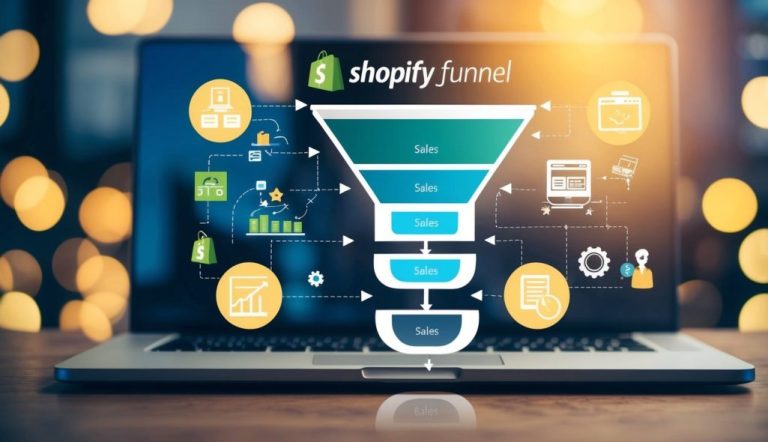
Your CTAs should guide users seamlessly through the sales funnel stages, from awareness to decision. Strategically place CTAs at key points on your website or content, like at the end of a blog post or next to product details.
Each stage of the funnel may require different CTAs. For example, at the awareness stage, use CTAs like “Learn More.” For users closer to purchase, “Buy Now” might be more effective.
Ensure each CTA matches the user’s journey stage and provides value, encouraging progression down the funnel. Analyze the performance of CTAs at each funnel stage to identify areas for improvement. Making data-driven adjustments can optimize your overall conversion rate.
Leveraging Emerging Tech for Competitive Advantage
To maintain a competitive advantage in Facebook marketing strategies, you must harness emerging technologies. This includes using AR/VR to create engaging content and employing advanced analytics to refine your strategy.
Adopting AR/VR in Marketing Campaigns
Incorporating augmented reality (AR) and virtual reality (VR) into your marketing efforts can set your brand apart. These technologies allow you to craft highly engaging content that captures the audience’s attention.
For example, AR filters on Facebook can invite users to interact directly with your brand, enhancing engagement and recall.
With VR, you can create immersive experiences that transport users into your brand’s world. This can be used for virtual product trials or behind-the-scenes tours, making users feel a deeper connection. By adopting these technologies, you not only boost user interaction but also create memorable experiences that can drive word-of-mouth.
Analyzing Advanced Analytics for Strategy
Advanced analytics provide invaluable insights into user behavior and preferences. By using these tools, you can refine your Facebook marketing strategies to better meet your audience’s needs.
Implementing predictive analytics, for instance, allows you to anticipate market trends and user behavior, enabling quicker and more accurate decision-making.
Machine learning algorithms can analyze vast data sets to identify patterns and suggest improvements in campaign performance. You gain a nuanced understanding of which strategies are effective, allowing you to optimize content and allocate resources efficiently. This data-driven approach ensures your marketing campaigns are not only reactive but also proactive, providing a robust competitive edge.
Frequently Asked Questions
In 2025, successful Facebook marketing relies on components like community engagement, scaling strategies, and AI integration. Understanding the unique approaches to both Facebook and Instagram is crucial.
What are the essential components of a Facebook marketing strategy in 2025?
A key component is prioritizing community engagement over the number of followers. Engaging with your audience can be more beneficial than just increasing your follower count. Understanding Facebook’s algorithms can also ensure your posts reach the right audience by focusing on meaningful interactions.
How can you effectively scale Facebook advertising campaigns in 2025?
Using data-driven insights allows you to target ads more accurately. Real-time analytics help in making quick adjustments.
By monitoring campaign performance, you can identify successful strategies and apply them to larger audiences, optimizing budget and maximizing reach.
Which tactics will improve conversion rates on Facebook ads in 2025?
Crafting compelling ad copy and using eye-catching visuals are important. A/B testing different ad formats and messages can also help determine what resonates best with users. Clear calls-to-action (CTAs) guide users on what to do next, boosting the chance of conversions.
What are the differences between Facebook and Instagram advertising strategies projected for 2025?
While Facebook focuses on community engagement, Instagram is more visually oriented. Understanding these platforms’ strengths, such as engaging storytelling on Facebook and striking visuals on Instagram, allows you to tailor your strategy accordingly to maximize impact and user engagement.
How is the integration of AI expected to influence Facebook marketing tactics by 2025?
AI is expected to personalize user experiences significantly. It can automate ad placements and predict which content will work best for specific audiences, allowing for a more tailored approach.
Machine learning can enhance targeting precision, optimize budgets, and improve overall campaign performance.
What are the best practices for creating engaging content on Facebook in 2025?
Create content that encourages interaction, like asking questions or prompting discussions. Use various formats such as videos and live streams to keep your audience engaged.
Regularly update your content and align it with current trends. This helps maintain interest and encourages user participation.