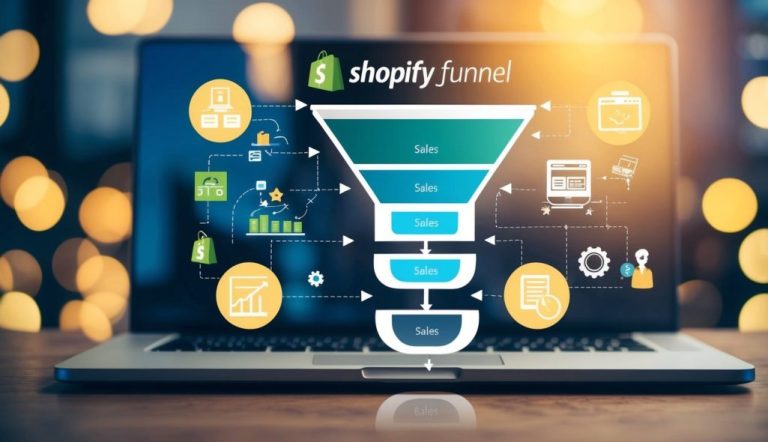
When you want to increase sales and boost revenue, you need the right tools and strategies. A sales funnel template is a key component for guiding potential customers through each stage of the buying process. It helps capture leads, nurture them, and eventually convert them into paying customers, creating a clear path to growth. By using a blank sales funnel template, you can customize each step to match your business goals and customer needs.

Sales funnels can seem complex, but breaking them down into simple steps makes them easier to manage. From attracting new prospects to engaging existing ones, a well-designed sales funnel covers it all. You’ll learn how to design these funnels effectively, ensuring every stage is set for success. With the right template, you can streamline operations and keep leads moving smoothly towards conversion.
Ready to optimize your sales strategy? This article will guide you in implementing a sales funnel in your CRM, measuring performance, and ensuring you get the most from your efforts.
Key Takeaways
- A sales funnel template helps guide potential customers.
- Measure and optimize each stage for better results.
- Implement sales funnels in your CRM for efficiency.
Understanding Sales Funnels
A sales funnel is a key tool in guiding customers from their first interaction with your product to making a purchase. It includes various stages like awareness, interest, desire, and action. Different types of funnels are used for B2B and B2C sales.
Definition and Importance
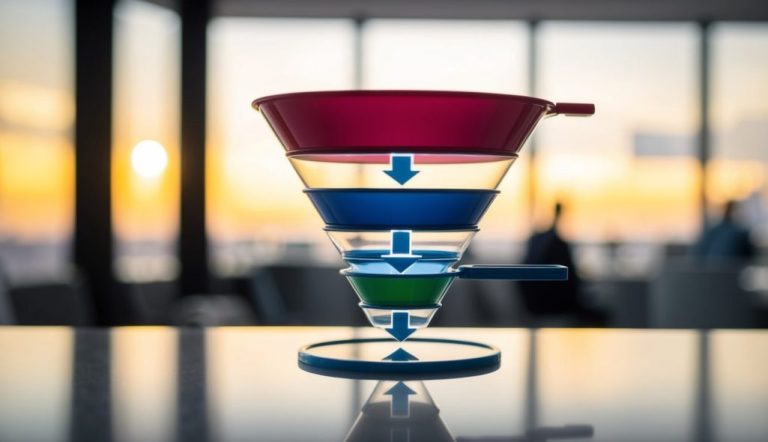
A sales funnel is a step-by-step process that turns potential customers into buyers. It represents the customer journey from the first point of contact to the final purchase. At the top of the funnel, people are just becoming aware of what you offer. Throughout the stages, the funnel narrows, focusing on those who are truly interested.
Each stage is crucial as it determines how effectively you can convert leads into customers. By understanding and optimizing your sales funnel, you can improve your conversion rate and grow your business. Recognizing customer needs at each stage helps you tailor your marketing strategies, making them more effective.
Key Stages of a Sales Funnel
Each sales funnel has stages: awareness, interest, desire, and action. At the awareness stage, potential customers learn about your brand. Marketing efforts at this stage might include content marketing or social media outreach to attract attention.
Next is the interest stage, where you engage consumers further, perhaps through informative emails or newsletters. The desire stage is where you can offer detailed insights into your products, such as demos or testimonials, persuading them of your product’s value.
Finally, the action stage is where the conversion happens. This is where you encourage a purchase or any desired outcome. By providing clear calls-to-action and easy navigation, you can minimize barriers and drive sales.
Differences Between B2B and B2C Sales Funnels
B2B and B2C sales funnels differ in their complexity and focus. B2B sales funnels often involve a longer process with more stages, focusing on building relationships and trust. This can include multiple decision-makers and a longer decision-making process.
In contrast, B2C sales funnels are usually shorter, focusing on quick decision-making. They rely on emotional triggers to guide customers through the stages. The key is to understand your audience and adjust your strategies to meet their specific needs and behaviors, whether you’re dealing with businesses or individual consumers.
Understanding these differences can significantly enhance your approach to both marketing and sales.
Designing Your Sales Funnel Template
Designing a sales funnel template involves understanding the key components that make it effective, customizing it for your specific business model, and visualizing the customer journey. By focusing on these areas, you can create a sales funnel that guides potential customers smoothly from interest to purchase.
Components of an Effective Sales Funnel
A strong sales funnel template includes several essential components that help in converting leads into customers. At the top, awareness stages are crucial to attract potential leads. Middle stages should focus on nurturing and engaging them. Finally, the closing stages seal the deal by encouraging a purchase.
Each stage of the funnel needs clear goals and actions. For example, offering a free trial during the consideration stage can help in convincing potential buyers. Consistent measurement of success, such as conversion rates, is important to judge effectiveness.
Customizing Templates for Different Business Models
Different businesses require unique funnels. For instance, an enterprise sales funnel may focus more on long-term relationships and high-value deals. On the other hand, a SaaS sales funnel often emphasizes subscription models and user engagement.
Customizing your funnel involves adapting stages and strategies to fit specific customer needs. Using free sales funnel templates can give you a head start, but personalization ensures your funnel aligns with customer expectations. Be flexible and willing to adjust elements like messaging and offers as you learn more about your audience.
Visualizing the Customer Journey
Visualizing the customer journey helps in mapping out how customers interact with your brand at each stage of the sales funnel. This involves understanding their buying journey, from the initial discovery to the decision to purchase.
Creating a visual map can clarify how each step is linked. Tools like customizable funnel diagrams, similar to those found on Canva, allow you to design a clear pathway for guiding customers through your sales process. By visualizing the journey, you can identify gaps or opportunities for enhancing their experience, which can lead to improved conversion rates.
Lead Generation and Capture
Generating and capturing leads is essential for creating a successful sales funnel. You need to attract the right audience at the top of the funnel, offer valuable lead magnets, and use effective squeeze page funnels to gather contact information.
Top-of-Funnel Strategies
At the top of the sales funnel, it’s important to draw in potential customers. You can do this by using content marketing and social media. Share blog posts, videos, and infographics that address the needs and interests of your target audience.
Search engine optimization (SEO) also plays a vital role. By using relevant keywords, such as “lead generation ideas,” you can improve your website’s visibility. Engaging social media posts can amplify your reach and encourage interactions.
Paid advertising, like Facebook or Google Ads, can also boost visibility. These ads should be targeted to reach those most likely to benefit from your products or services.
Creating Lead Magnets
Lead magnets are essential for turning visitors into leads. Offer valuable resources like eBooks, checklists, or webinars in exchange for contact information.
The lead magnet should solve a specific problem for your audience. For example, a “10-Step Guide to Improve Email Marketing” could be attractive to business owners looking to boost their campaigns.
Design your lead magnet to be visually appealing and easy to share. Use clear calls to action that guide users towards downloading or accessing the content. This ensures that your audience understands the value they’re receiving.
Squeeze Page Funnels
A squeeze page funnel is a simple, focused web page designed to capture email addresses. Its primary goal is to get visitors to sign up for your offer without distractions like navigation bars or complex forms.
Ensure your squeeze page has a compelling headline and concise copy that highlights the benefits of your offer. The form should request minimal information, commonly just a name and email address.
Testing different elements, like headlines or form placements, helps optimize the page for better conversion rates. Tools like A/B testing can provide insights into which version performs best, ensuring your squeeze page funnel is as effective as possible.
Nurturing Leads and Building Interest
Engaging potential customers requires a strategic approach that leverages email marketing, educates prospects, and uses customer data to fine-tune your tactics. These techniques are crucial in transforming cold prospects into qualified leads.
Email Sequences and Follow-ups
Effective email sequences are essential in maintaining interest. Start with a welcome email to introduce your brand and offerings. Follow up with a series of targeted emails that provide value and keep your audience engaged. These could include special offers, informative content, or product updates.
Automating these sequences ensures that you reach prospects at the right time. Use email marketing tools to segment your audience based on behavior and preferences. This segmentation allows you to tailor messages specifically to different groups, which can significantly improve engagement rates.
Keep your communication crisp and clear. Make sure your emails provide useful information or solutions to common problems your prospects face. Consistent follow-ups help reinforce your brand’s value, nurturing leads into potential customers.
Educating and Engaging Prospects
Educating prospects is a critical step in nurturing leads. Create informative content that addresses common pain points or questions about your products or industry. Blog posts, webinars, and downloadable guides can be effective ways to share insights and establish your expertise.
Interactive content, like quizzes or surveys, can boost engagement by involving prospects in a two-way dialogue. This interaction can help keep them interested and invested in your offerings. Educating your audience builds trust and positions you as a reliable source of information.
Personalization is key. Tailor your content to match the specific interests of your audience segments. Use customer relations management tools to track interactions and preferences, ensuring your educational content hits the mark every time.
Insights from Customer Data
Using customer data is vital in refining your lead nurturing strategy. Analyze data from past interactions to understand what resonates best with your audience. Look at metrics like open rates, click-through rates, and engagement patterns to identify successful strategies.
Customer data also helps in identifying trends and preferences among different segments. This information is crucial for tailoring your approach to meet the needs of both cold prospects and more engaged leads. Use analytics to adjust your strategy dynamically based on performance.
Data insights not only help in fine-tuning your marketing efforts but also in predicting future behaviors. By understanding your audience better, you can create more personalized and compelling content to drive interest and conversions.
Conversion and Sales Techniques
Improving your sales funnel involves key strategies to boost conversion rates. By focusing on targeted offers, value creation, and effective closing techniques, you can enhance your sales process and influence purchase decisions.
Middle-of-Funnel Offers
In this stage, engaging with leads who have shown initial interest is crucial. You can provide educational content like webinars or ebooks that offer value and information. These resources should address specific pain points and showcase your expertise, helping leads see the benefits of your product or service.
Consider using personalized email campaigns. These can guide potential customers through their decision-making process, encouraging them to take the next step. Tracking engagement metrics here can give insights into what resonates best.
Upselling and Value Offers
Upselling is a powerful technique for increasing the value of each transaction. When a customer is ready to purchase, suggest complementary products or upgrades. This can boost overall sales and improve customer satisfaction through tailored experiences.
Offering bundles or premium versions of products can also enhance perceived value. Highlight benefits clearly, ensuring customers understand why the additional cost is worth it. Use data and insights from previous sales to determine the most effective upsell opportunities.
Closing Techniques
Closing a sale requires a balance of assertiveness and understanding. Be clear and confident when reiterating the benefits of your offer. Address any last-minute objections by listening actively and providing reassurance.
Implement limited-time offers or discounts as incentives for closing deals swiftly. Creating a sense of urgency can prompt hesitant buyers to act. Finally, follow up with a personalized message thanking the customer and confirming their decision, ensuring a positive start to their post-purchase experience.
Post-Purchase Engagement
Post-purchase engagement is crucial for maintaining strong customer relations and increasing the lifetime value of customers. By focusing on strategies like retaining existing clients, encouraging them to refer your business to others, and using their feedback to gain insights, you can enhance customer satisfaction and boost average order value.
Customer Retention Strategies
To retain customers, focus on personalized experiences that make them feel valued. This could include sending thank-you emails or offering loyalty programs with exclusive discounts.
Regular communication about new products or special offers keeps your brand top of mind. Additionally, providing excellent customer service helps build strong customer relations, ensuring they return for future purchases.
Consider using a points-based system to encourage repeat business. For example, offer rewards for every dollar spent or bonus points during specific promotions. Such programs increase average order value and build long-term loyalty.
Encouraging Referrals
Happy customers can be your best advocates. Encourage them to refer your business to friends and family by offering incentives like discount codes or free products for successful referrals. This not only brings in new clients but also reinforces the trust your current customers have in your brand.
You can create a simple referral program with clear instructions on how to participate. Make it easy for customers to share referral links via social media or email. A well-executed referral program can significantly expand your customer base and enhance your reputation.
Leveraging Customer Feedback
Gathering and analyzing customer feedback provides valuable insights that help improve your products and services.
Set up surveys or request reviews after purchase to learn what customers appreciate and what can be improved. Acting on their suggestions shows you value their opinion and are committed to enhancing their experience.
Use feedback to identify patterns in customer needs and preferences. This information can guide product development and marketing strategies. Regularly updating customers about how their feedback has influenced your business can strengthen customer trust and loyalty. Implementing these insights can lead to higher customer satisfaction and retention.
Measuring and Optimizing the Sales Funnel
Enhancing your sales funnel requires a firm grasp of analytics, reporting, and testing. By using tools like A/B testing and sales forecasting, you can improve conversion rates and better manage your sales pipeline.
Analytics and Reporting
Understanding your sales funnel starts with effective analytics and reporting. Use a CRM system to collect data on each stage of the funnel.
Key metrics to track include the number of leads, conversion rates, and average deal size. This data shows where prospects drop off or progress smoothly through the funnel.
Visualization tools can help you see patterns and trends over time. Create dashboards to quickly review performance. Daily, weekly, or monthly reports ensure you’re informed and ready to make quick adjustments to improve efficiency.
A/B Testing and Iteration
A/B Testing is crucial for optimizing your sales funnel. By comparing two versions of a webpage or email, you can determine which performs better in converting leads into sales.
Choose one variable to test at a time, such as headlines or call-to-action buttons. After gathering data, implement the winning version and test another variable.
Iteration helps you fine-tune your approach continuously. Over time, these small changes can lead to significant improvements in conversion rates and overall funnel performance, guiding cold prospects more efficiently through the pipeline.
Forecasting Revenue and Sales
Accurate forecasting is pivotal for anticipating future revenue and managing your sales pipeline.
Use historical data to project future sales and set realistic targets. Break down targets by teams, products, or regions to provide clear insights.
Software tools can help in predicting outcomes based on current trends and past behaviors. Regular updates to your forecast allow for adjustments in strategy, ensuring you meet or even exceed your sales goals. Keeping forecasts aligned with real-time data helps your team prioritize efforts and resources where they are most needed.
Sales Funnel Examples and Templates
The world of sales funnels offers diverse strategies to guide customers through the buying process. Understanding different funnel types, such as hero or application funnels, can help select the best template to meet your business needs. Choose a funnel builder that suits your industry for optimal results.
Hero and Storytelling Funnels
Hero and storytelling funnels capture attention by connecting emotionally with the audience. The hero funnel leads the customer through a journey using compelling narratives and persuasive techniques.
A hero funnel, like the video sales letter funnel, can be particularly effective when you need to explain complex products or services.
The storytelling aspect makes it easier for potential customers to relate and make purchasing decisions. By using creative and engaging content, you turn leads into loyal customers. Innovative storytelling funnels can be designed using platforms like ClickFunnels.
High-Converting Templates for Specific Niches
High-converting templates are crafted for specific industries to maximize efficiency. For instance, a 2-step tripwire funnel captures leads with a tempting low-cost offer, then upsells to higher-priced products.
A storefront funnel is designed for e-commerce businesses, showcasing products in an organized, appealing manner. Additionally, a sales letter funnel can effectively present detailed information about a service or product.
The key is to select the right funnel that aligns with your industry, ensuring high conversion rates. These templates help businesses of all sizes streamline their sales process.
Comparison of Funnel Builders
Choosing the right funnel builder can be crucial to your sales strategy. ClickFunnels offers user-friendly features and pre-designed templates like the application funnel and bridge funnel. These options cater to various sales processes and business types.
Each funnel builder comes with unique strengths. Consider ease of use, customization options, and the specificity of templates. For detailed comparison, look for features like integration with payment gateways, analytics tools, and customer support.
By selecting the right builder, you create a seamless experience for potential clients, increasing your chances of closing sales successfully.
Implementing Sales Funnels in Your CRM
Integrating sales funnels into your CRM streamlines your sales process and improves how you manage contacts. By focusing on strategic integration with marketing channels, effective contact management, and process automation, you create a more efficient path for your leads.
Integration with Marketing Channels
Connecting your CRM with different marketing channels is vital. It enables seamless data transfer between platforms, keeping customer insights up to date.
For example, if you connect your CRM to social media, you can track how potential customers interact with your brand. This helps you understand which channels drive the most engagement.
Email marketing integration is key. It allows automatic entry of new email opt-ins into your CRM. This saves time and ensures no contact is overlooked.
Keep track of clicks and opens to tailor your messages and improve engagement.
Managing Contacts and Segmentation
Organizing contacts effectively is crucial for targeting the right audiences. Use your CRM to segment leads based on behavior, demographics, or purchasing history.
This allows for personalized approaches, increasing the chance of conversion. For instance, you might create a segment for leads that frequently engage with your emails.
Regularly updating and cleaning your contact lists is important. Duplicate or outdated information can hinder sales efforts. Leverage CRM tools to automate this process where possible. Using tags or labels can help further refine contact management.
Automating the Sales Process
Automation can significantly enhance efficiency in your CRM. By setting triggers, you can automatically move leads through the sales funnel.
For example, when a lead schedules a booking, the CRM can automatically update their status, saving you time on manual updates.
Email follow-ups can be automated based on actions taken by prospects. If a potential customer clicks a link in an email, a personalized follow-up can be sent automatically, nurturing the lead further.
Automation reduces repetitive tasks, allowing your team to focus on more critical aspects of the sales process.
Maximizing Revenue Through Sales Funnels
Boosting revenue through sales funnels involves optimizing each part of the funnel to increase average order value, encourage upselling, and develop recurring income streams through subscriptions. This approach not only converts more leads but also enhances the lifetime value of each customer.
Strategies for Increasing Average Order Value
To increase your average order value, consider bundling products or offering complementary items. For example, if you sell skincare products, a bundle that includes a face wash and moisturizer can entice customers to spend more.
Time-limited deals can also motivate faster purchases, improving conversion rates. Displaying related products just before checkout or offering free shipping on larger orders can nudge customers to add more to their cart. Simple visuals, like icons or charts, can highlight savings, making the offer more compelling.
Advanced Techniques for Upselling
Upselling involves suggesting a higher-end or additional product at the moment of purchase. Use data from past customer behavior to tailor suggestions based on preferences.
If someone buys a laptop, suggest an extended warranty or software package. Customize email follow-ups with special offers on related products to capture upsell opportunities post-purchase.
Present upsell offers clearly during checkout. A small pop-up with a simplified version of the offer can reduce resistance, leading to increases in conversion rates.
Creating Membership and Subscription Offers
Developing membership or subscription models creates a steady income stream. Offering exclusive content or benefits can add value and attract more subscribers.
For instance, online courses bundled through a subscription can consistently engage customers while enhancing their perceived value of your offerings.
Make sign-ups simple with clear pricing and benefits. Highlight success stories or testimonials to reassure potential subscribers about the value they’ll receive. Flexibility with subscription plans, such as monthly or annual options, can cater to different customer needs and increase sign-ups.
Use these techniques strategically throughout your sales funnel to maximize revenue, ensuring each customer interaction is an opportunity to enhance both immediate and long-term financial outcomes.
Frequently Asked Questions
Learn how to craft a sales funnel using different tools and where to find free templates. Discover methods for creating and customizing funnels in popular platforms like Excel, PowerPoint, and Canva.
How do you create a simple sales funnel?
Creating a simple sales funnel involves defining each stage of the customer journey. Start with awareness, then move to interest, desire, and finally action. It’s important to align these stages with your sales process activities.
Is there a free sales funnel template available for download?
Yes, you can find free sales funnel templates. Websites such as UpLead offer templates to help you structure your funnel in a way that suits your business needs.
How can I create a sales funnel in Excel?
To create a sales funnel in Excel, outline the stages of the funnel in a spreadsheet. Input your data into columns representing each stage. Use Excel’s chart features to visually represent the funnel, adjusting as needed for clarity.
What are the steps to designing a sales funnel in PowerPoint?
Designing a funnel in PowerPoint involves creating slides for each stage. Use shapes to represent funnel sections and label them with your sales stages. PowerPoint’s tools let you adjust shapes and text for a polished look.
Can I develop a sales funnel using Canva templates?
You can use Canva to develop a sales funnel by selecting from their variety of templates. Customize the sections with your information, adjusting colors and fonts to match your brand.
Where can I find a customizable sales funnel template?
You can find customizable sales funnel templates on sites like Fit Small Business. These templates come in pre-filled and blank versions. This allows you to tailor them to your specific sales process.