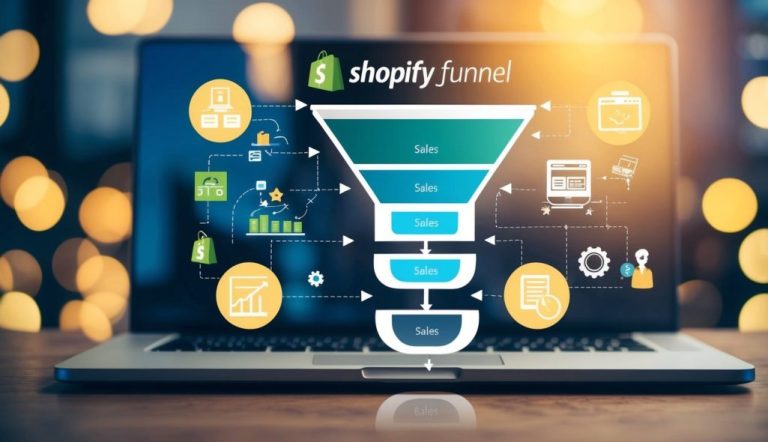
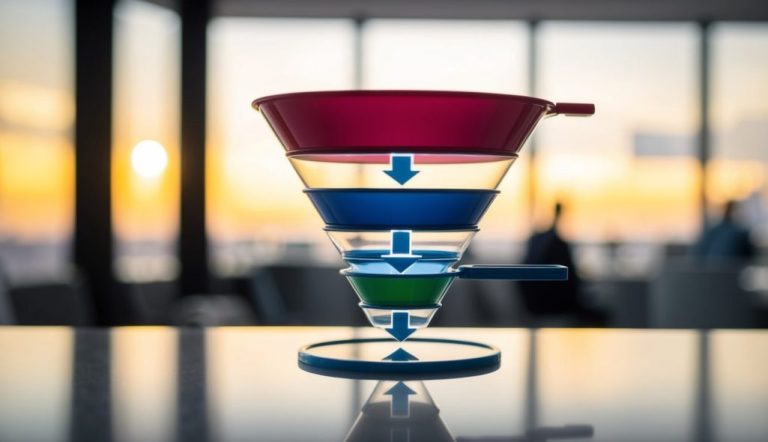
A B2B sales funnel is a roadmap that guides potential clients through their journey from awareness to purchase. You need to understand this process to effectively convert leads into valuable customers. The funnel consists of several stages, including awareness, interest, desire, and action, which help you identify where your prospects are and how close they are to making a purchase.

A well-designed B2B sales funnel is crucial for improving your business efficiency and increasing revenue. By developing an understanding of your buyer persona, you can tailor your approach to meet their needs at each stage of the funnel. This strategy helps in creating content that speaks directly to their interests and moves them closer to a decision.
As you implement your sales funnel, monitor key metrics to optimize lead generation and qualification. This data-driven approach will allow you to adjust strategies in real-time, ensuring you maximize conversion rates. By effectively managing your sales cycle and pipeline, you can maintain a steady flow of leads and turn them into loyal customers.
Key Takeaways
- A clear B2B sales funnel increases efficiency and revenue.
- Tailor content to address different stages in the sales funnel.
- Monitoring metrics enhances lead generation and conversion.
Understanding the B2B Sales Funnel
In B2B sales, understanding the sales funnel is crucial for guiding potential clients from initial awareness to final conversion. A solid grasp of this process helps improve customer experience and streamline the sales process.
Overview of Sales Funnel Basics
A sales funnel is a step-by-step process designed to convert potential leads into customers. It typically consists of stages like awareness, interest, decision, and action. Each stage plays a unique role in nurturing leads. For B2B sales, these stages often require a more personalized approach due to complex buying decisions.
Tracking metrics at each funnel stage is crucial. It helps in identifying which strategies are working and where improvements can be made. Additionally, feedback loops are essential for refining the process and addressing customer needs more effectively.
The Importance of Sales Funnels in B2B
Sales funnels are essential in B2B because they provide a structured approach to managing customer relationships and increasing conversion rates. By understanding each stage, you can tailor your approach to better meet the needs of businesses, which often require detailed information before making purchase decisions.
A well-optimized funnel aids in long-term client engagement, ensuring potential clients remain interested throughout the sales process. This approach not only supports sales and marketing teams in their efforts but also enhances the overall customer experience by delivering timely and relevant content.

Key Differences Between B2B and B2C Sales Funnels
B2B and B2C sales funnels differ significantly in complexity and length. B2B funnels often involve longer sales cycles and multiple decision-makers who need to be convinced. In contrast, B2C sales funnels typically involve quicker decisions and fewer stakeholders.
Moreover, B2B marketing funnels require a focus on relationship-building and personalized communication, while B2C funnels might center more on emotional triggers and impulse buying. Understanding these differences is crucial to developing effective strategies for each type of sales funnel process.
Customized content and tools like a B2B sales funnel template are often utilized to streamline interactions and improve client retention rates. For more on sales funnel examples, check out this guide.
Developing the Buyer Persona
Creating a buyer persona is essential for targeting the right audience in your B2B sales funnel. By identifying your ideal customer profile and understanding their pain points, you can effectively tailor your marketing strategies and improve your conversion rates.
Identifying Ideal Customer Profile
To develop an effective buyer persona, start by identifying your ideal customer profile. This involves gathering information about the demographics, job roles, and industries of your potential customers. Key details often include company size, location, and buying behavior.
Surveys, interviews, and analyzing existing customer data are useful tools for data collection. Look for commonalities among your top customers to create a clear image of who benefits most from your products or services. Using tools like LinkedIn can offer insights into professional backgrounds and preferences. For examples and templates on how to establish a detailed profile, you can refer to a guide on creating a B2B buyer persona template.
Understanding Customer Pain Points
Once you have an ideal customer profile, it’s crucial to understand their pain points. These are the challenges or problems your potential customers face in their daily operations. Addressing these effectively can differentiate your product from competitors.
Interviews and feedback from current customers help pinpoint these areas. Analyzing social media interactions and industry trends can also reveal issues your buyers are experiencing. Understanding these pain points allows you to tailor your product pitches and marketing messages to demonstrate how your solutions directly address these concerns. For tailored content creation ideas based on buyer personas, check resources like the Effective Buyer Personas.
Stages of the Sales Funnel
The sales funnel is a crucial framework for transforming prospects into loyal customers. This guide will cover the five main stages: Awareness, Interest, Desire, Action, and Loyalty. Understanding these stages helps improve how you engage with buyers and increase your conversion rates.
Awareness Stage: Capturing Attention
At the Awareness Stage, your primary goal is to make potential customers aware of your product or service. This stage is all about visibility.
You can achieve this by using various marketing strategies like social media campaigns, blog posts, and advertising. It’s important that your messaging is clear and resonates with your target audience. SEO optimization is also crucial at this stage to ensure your content reaches as many people as possible.
The aim is to spark initial interest and make a lasting impression. Creating valuable, informative content can help establish trust and encourage potential customers to learn more about what you offer.
Interest Stage: Fostering Engagement
In the Interest Stage, focus on turning awareness into genuine interest. Here, your task is to engage and nurture prospects by providing relevant information about your offerings.
Consider using email marketing campaigns, newsletters, or webinars to provide in-depth insights. Personalization is key; tailor your communication to address specific pain points and benefits associated with your products or services.
Encouraging interaction through Q&A sessions or live demos can also keep prospective customers engaged. The goal is to deepen their understanding and interest in what you have to offer.
Desire Stage: Cultivating the Need
The Desire Stage is about reinforcing the need for your product or service. This is where you build a strong emotional connection.
Showcase features and benefits that set your product apart from the competition. Use case studies, testimonials, and reviews to build credibility and trust. High-quality content like video demonstrations and product comparisons can help highlight why your solution is the best fit for them.
It’s important to communicate value and benefits that resonate on a personal level to drive the desire for your offerings.
Action Stage: Facilitating Decisions
During the Action Stage, your objective is to convert interest and desire into action. This means making it as easy as possible for potential customers to make a purchase decision.
You can offer free trials, discounts, or special offers to encourage action. Ensure that your checkout process is seamless and user-friendly to minimize any hesitation.
Clear calls-to-action (CTAs) in your communications guide prospects towards the next step. It’s crucial to remove any barriers that would prevent them from making a decision.
Loyalty Stage: Ensuring Retention
In the Loyalty Stage, the focus shifts from acquisition to retention. Maintaining a strong relationship with your customers is essential for long-term success.
Implement loyalty programs, offer regular updates, and engage customers with newsletters or exclusive offers. Exceptional customer service can transform one-time buyers into repeat customers.
Collect feedback to improve your offerings and ensure customers feel valued. Building strong relationships not only retains current customers but also turns them into advocates for your brand.
Creating Content for Each Funnel Stage
Creating content for a B2B sales funnel involves crafting materials suited to each stage of the customer journey. You focus on pulling in potential leads at the top, nurturing them in the middle, and sealing the deal at the bottom.
TOFU: Top-of-the-Funnel Content Strategies
At the beginning of your funnel, aim to attract attention and build awareness. Here, the goal is to inform and engage without pushing for a sale. You create blog posts and interactive content to capture interest. Consider hosting webinars or events that address common industry challenges or trends.
Using marketing campaigns that include downloadable guides or whitepapers can expand reach. These materials should address pain points or curiosity that potential leads might have.
MOFU: Middle-of-the-Funnel Engagement Tactics
This stage is about nurturing leads and building relationships. Use targeted content that directly speaks to your leads’ specific needs. Developing case studies or detailed guides can demonstrate how your products or services solve real problems.
Interactive content like quizzes or comparison tools can keep potential customers engaged. Consider leveraging email marketing to provide more personalized content or insights. Hosting exclusive webinars or Q&A sessions can also deepen engagement and trust.
BOFU: Bottom-of-the-Funnel Conversion Techniques
In the final stage, focus on converting leads into customers. This is where you use focused, persuasive content. Creating landing pages with clear calls-to-action is key. Offering free trials or demos can also encourage conversion.
Showcase customer testimonials or success stories to build credibility and trust. Tailor content to address final objections or hesitations that prospects might have. Providing detailed product comparisons or analyst reviews can also help in making that last push towards a decision.
Optimizing Lead Generation and Qualification
To excel in B2B sales, you need to master lead generation and qualification. Effective outreach and follow-ups are crucial for engaging prospective customers, while lead scoring and nurturing help prioritize and guide them through the sales funnel.
Leveraging Effective Outreach and Follow-Ups
Outreach is the first step to connect with potential customers. Personalization in communication is key. Addressing specific pain points or needs helps grab attention.
Use a mix of channels such as email, social media, and direct calls. Respond promptly to inquiries, showing your commitment. Crafting a compelling message can significantly increase engagement.
Follow-ups maintain interest and build trust. Schedule them thoughtfully—too frequent or too sparse can both be detrimental. Use a CRM tool to track interactions and set reminders for personalized follow-ups. Consistent communication shows prospects that you value their potential partnership.
Utilizing Lead Scoring and Nurturing
Lead scoring ranks leads by their likelihood to convert. Assign points based on actions like email opens, website visits, or content downloads. High scores indicate readiness for a sales pitch.
Lead nurturing builds relationships with prospects who aren’t immediately ready to buy. Automated email sequences can provide valuable content at the right stage of their decision process.
Tailor the content to address specific business challenges or needs. This approach establishes your business as a trusted advisor. Monitoring lead engagement with these communications allows you to refine strategies and effectively guide prospects through the sales funnel, maximizing conversion chances.
Maximizing Conversion Rates
Boosting conversion rates is crucial for any business, especially when guiding potential clients through a sales funnel. Focusing on key elements like landing pages and email campaigns can greatly enhance your conversion funnel’s success.
Designing High-Converting Landing Pages
A great landing page captures visitor attention and turns them into leads. Keep the design clean and simple. Make sure important information is bold and easy to find.
Use eye-catching headlines and centralize the call-to-action (CTA) button. Your CTA should be specific, like “Sign Up Now” or “Get Your Free Trial.”
Include customer testimonials or reviews to build trust. Adding visuals, like infographics or short videos, keeps the audience engaged. Present a strong value proposition, explaining why prospects need your product or service in the engagement stage.
Keep forms short, asking only for necessary information to boost conversion rates and enhance user experience.
Crafting Persuasive Email Campaigns
Emails are vital for nurturing leads through the conversion funnel. Begin with a compelling subject line to increase open rates. Personalizing content can boost engagement.
Segment your audience to send targeted messages. Tailor content according to where leads are in the sales funnel.
Offer incentives, such as discounts or free resources, to encourage clicks.
Make emails visually appealing by using bullet points and bold text to highlight key information. Ensure your CTA is clear and actionable.
Include links to relevant resources or sales funnel templates to guide readers.
Finally, track email performance metrics, like open and click-through rates, to refine future campaigns. Regularly test different elements to see what resonates best with your audience.
Sales Cycle and Pipeline Management
Effective sales cycle and pipeline management are crucial to boosting your business’s success. By streamlining the sales process and focusing on accurate forecasting and reporting, you can improve customer relations and optimize sales funnel stages.
Streamlining the Sales Process
To streamline your sales process, you need to design a clear and efficient sales pipeline. This involves mapping out each stage—from identifying a sales prospect to closing the deal.
Divide the pipeline into easily understood phases, ensuring both your team and potential customers understand the journey.
Implement tools that assist in tracking and managing these stages effectively.
For instance, consider using templates that allow you to view the progress of each deal, aiding not only in organization but also in minimizing potential losses. These tools can help you prioritize tasks, ensuring you focus resources on deals with the highest chance of success.
Enhancing customer relations is also a key aspect. A smooth sales process fosters trust and engagement, making clients feel valued and more likely to buy.
Forecasting and Reporting for Sales Success
Forecasting is vital for predicting future sales and aligning your strategy accordingly. By analyzing historical data and current trends within your sales pipeline, you can make informed predictions regarding sales outcomes. This helps in setting realistic goals and adjusting tactics if needed.
Regularly generating sales reports is crucial. These reports give insight into the performance of your sales cycle, highlight potential areas for improvement, and allow you to make data-driven decisions. When done accurately, sales reports enhance your ability to strategize effectively.
Using real-time data, focus on identifying trends and patterns in customer behavior to refine your approach. With precise forecasting and thorough reporting, you position your business for sustainable growth.
Analysing and Improving Funnel Performance
Examining the performance of your B2B sales funnel involves careful tracking of metrics and extracting insights for strategic enhancement. Understanding these elements helps boost Conversion Rates and optimize ROI.
Tracking Key Metrics and ROI
To get a clear picture of your funnel’s effectiveness, focus on key metrics like Conversion Rate and Customer Satisfaction.
Conversion Rate measures how many potential leads turn into paying customers. This helps you see if your sales approach is working. Customer Satisfaction, often tracked through feedback and surveys, reveals if the expectations are being met.
Another critical area is ROI, or return on investment. This shows if your sales efforts are cost-effective.
Calculate ROI by comparing the revenue generated against the cost of sales activities. A positive ROI indicates successful strategies.
Use tools like CRM systems to collect and analyze data for these metrics, helping you make informed decisions.
Gleaning Insights for Sales Strategy Refinement
To refine your sales strategy, analyze data collected from key metrics to identify areas needing improvement.
Look for patterns in customer behavior and feedback that indicate strengths or weaknesses. This provides a clear understanding of what draws in or pushes away potential customers.
Use insights to tweak marketing campaigns or adjust communication strategies. For example, if customers seem disengaged at a specific funnel stage, consider improving content or sales approaches there.
This analysis leads to a more tailored sales strategy, improving interactions with leads and boosting Customer Satisfaction. Constant refinement based on these insights helps maintain relevance and effectiveness, making your sales funnel a powerful engine for growth.
Post-Purchase Strategies
After a B2B sale, it’s crucial to focus on retaining customers and ensuring they are satisfied with their purchase. This involves building strong relationships, providing ongoing support, and implementing effective marketing tactics to keep customers engaged.
Fostering Customer Retention and Loyalty
To build customer loyalty, you should maintain regular communication with clients. This can be achieved through personalized emails or tailored newsletters.
It’s also beneficial to develop a loyalty program that rewards repeat purchases or referrals.
Engage customers through informative content that adds value, such as webinars or case studies that demonstrate the effectiveness of your product.
Consistently gathering feedback through surveys or direct conversations will help improve your offerings and strengthen customer relations.
A well-maintained CRM system can be invaluable in tracking customer interactions and identifying opportunities for further engagement.
Onboarding and Continued Support
Efficient onboarding is key to ensuring customers understand and get the most out of your product.
Create a structured onboarding program that includes step-by-step guides, video tutorials, and interactive demos. This helps customers quickly adapt and reduces any friction they might experience.
Offer continued support through various channels like chat support, phone, or email to address any issues promptly.
Hosting regular check-in calls can also keep the relationship strong and uncover potential problems before they escalate.
Additionally, providing access to a knowledge base or FAQ section empowers customers to find solutions independently, enhancing their experience and satisfaction.
Next Steps: Implementing Your B2B Sales Funnel
To start building your B2B sales funnel, define the core stages. This includes identifying where potential customers enter and how they move through various steps.
Create a Sales Funnel Template to visualize these stages. It helps your team stay on the same page.
Focus on your Unique Value Proposition (UVP). Ensure that each stage highlights what makes your product or service stand out. A clear UVP attracts the right leads and keeps them engaged.
Tailor your content to each stage. Attract new leads with educational materials and nurture them with detailed case studies or testimonials. For a more direct approach, consider offering product demos at later stages. This demonstrates the real value of your solution.
Relationship-building is key. Always follow up with leads to address questions and provide additional information.
Consider regular check-ins or personalized messages to maintain a connection.
Evaluate your funnel’s effectiveness regularly. Use metrics like conversion rates to see what’s working.
Tools like A/B testing can help refine your strategies by testing different content or approaches.
Finally, align your sales and marketing teams. Ensure both departments understand and work towards shared goals. This harmony helps create a more effective funnel that seamlessly guides prospects from awareness to decision.
Frequently Asked Questions
Creating a B2B sales funnel involves using tools like Excel and PowerPoint and understanding various stages and best practices. Measuring success and customizing templates are also key components.
How can I create a B2B sales funnel in Excel?
You can use Excel to map out your B2B sales funnel by listing each stage of the funnel in separate columns.
Use functions and charts to visualize data, helping track leads and conversions efficiently.
What are the stages of a typical B2B sales cycle funnel?
The stages usually include awareness, interest, consideration, intent, evaluation, and purchase. These stages guide potential clients from learning about your product to making a purchase decision.
How do I structure an effective sales funnel for B2B sales?
To structure an effective funnel, define each stage clearly, set criteria for moving leads through the funnel, and tailor your approach based on client needs.
Regularly analyze and adjust strategies as needed.
Where can I find a free B2B sales funnel template for PowerPoint?
You can find free templates on websites like Streak that offer downloadable PowerPoint slides. These templates help you present your funnel stages clearly to stakeholders.
What are the best practices for customizing a B2B sales funnel template?
When customizing, ensure the template aligns with your specific sales process.
Personalize stages to fit your business and regularly review the funnel’s performance to make any necessary adjustments.
How can I measure the success of my B2B sales funnel?
You can measure success by analyzing conversion rates at each stage and tracking the time leads spend in the funnel. Tools like CRM software provide valuable insights and help improve overall funnel efficiency.