Pay-per-click (PPC) advertising is a crucial part of digital marketing strategies. It offers a direct way to reach potential customers through targeted ads. Understanding the right PPC analysis tools can significantly boost your ad campaign performance. These tools optimize your spending and maximize returns. With a myriad of tools available, each provides unique features that help refine strategies, analyze competitors, and track key metrics.
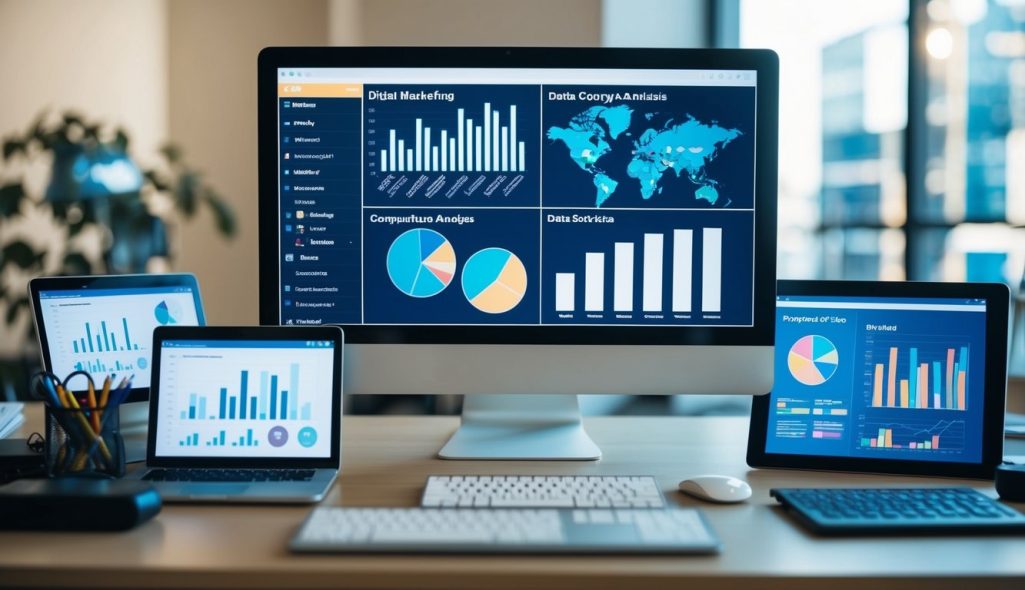
Effective PPC analysis tools, like Semrush and Google Keyword Planner, enable you to identify the best keywords, monitor ad performance, and adjust bidding strategies. These tools are essential companions, whether you’re managing a small business campaign or handling a large-scale marketing project.
Successful PPC campaigns rely on the right combination of analysis and implementation. By leveraging tools for competitor research, you can gain insights into market trends and emerging strategies. Choosing the best tools will help you target the right audience, making your ads more effective and budget-friendly.

Fundamentals of PPC Analysis
Understanding PPC analysis is crucial for optimizing your campaigns. At its core, PPC analysis involves evaluating the effectiveness of your pay-per-click (PPC) efforts. This process helps in making informed decisions to improve your advertising strategy.
Key Metrics:
-
Cost Per Click (CPC): This measures how much you’re paying each time someone clicks on your ad.
-
Conversion Rate: This percentage shows how many visitors complete a desired action, like making a purchase.
-
Quality Score: Google assigns this score based on the relevance and quality of your ads, keywords, and landing pages.
Tools and Techniques:
To streamline PPC analysis, use tools like Google Analytics. It provides insights into user behavior on your site. Another helpful tool is Google Analytics 4, which can link various data sources and provide a comprehensive view of your campaign.
With this data, you can adjust your PPC strategy to maximize your return on investment (ROI). For example, focusing on improving your conversion rate can lead directly to increased sales.

Regularly reviewing your PPC metrics allows you to identify successful tactics and areas for improvement. By continuously monitoring your campaigns, you can ensure your advertising efforts align with your marketing goals.
Key PPC Metrics and KPIs
Understanding key PPC metrics and KPIs is vital for any successful advertising campaign. These metrics help you optimize performance, allocate budget smartly, and achieve your marketing goals. Focusing on specific elements such as Click-Through Rate, Cost Per Click, and Conversion Rate gives you insights into the effectiveness of your strategy.
Click-Through Rate (CTR)
Click-Through Rate (CTR) measures how often people click on your ad after seeing it. It’s calculated by dividing the number of clicks by the number of impressions. A high CTR means your ad is engaging, which can improve your Quality Score and lower ad costs. Monitor this metric to ensure your ad content resonates with your audience and prompts action.
Cost Per Click (CPC)
Cost Per Click (CPC) represents the amount you pay each time someone clicks on your ad. It affects your budget and can influence your campaign’s reach. Managing CPC is crucial for maximizing return on investment. Focus on high-value keywords and optimize your bids to balance spending with desired outcomes, ensuring you reach your target audience efficiently.
Conversion Rate
Conversion Rate is the percentage of users who take a specific action after clicking your ad, such as making a purchase or signing up for a newsletter. It’s a key indicator of ad effectiveness and relevance. Improve this rate by optimizing landing pages, ensuring they align with ad content, and using clear calls to action to encourage user engagement.
Cost Per Acquisition (CPA)
Cost Per Acquisition (CPA) measures the cost of acquiring a customer through your PPC campaign. It’s calculated by dividing total ad spend by the number of conversions. A lower CPA means greater efficiency in reaching your goals. Use conversion tracking to identify high-performing strategies and refine targeting to lower costs while increasing the number of conversions.
Return on Investment (ROI)
Return on Investment (ROI) helps determine the profitability of your PPC efforts by comparing the revenue generated to the costs involved. A positive ROI indicates a successful campaign. Track this metric to evaluate the overall impact of your ads. Adjust strategies based on the campaigns providing the highest returns, ensuring resources are invested effectively.
Impression Share and Auction Insights
Impression Share indicates how often your ads appear in search results versus their eligibility to appear. A high impression share means your ads are highly visible. Auction Insights provide data on competitor performance. Use these metrics to understand your market positioning and adjust bids or budgets to improve ad visibility and competitive edge.
Critical Components of PPC Campaigns
Successful PPC campaigns rely on several essential elements. These include crafting compelling ad copy with effective calls to action, optimizing landing pages for better user experience, and efficiently managing both ad budgets and targeting strategies.
Ad Copy and Calls to Action
In any PPC campaign, the ad copy plays a vital role. It needs to be clear, concise, and engaging to grab attention quickly. The right calls to action (CTAs) encourage users to click on your ad. Phrases like “Buy Now” or “Learn More” can drive responses when aligned with user intent. Testing different versions of ad copy and CTAs helps you find the most effective combinations. Consider including strong keywords that match user queries to enhance relevance.
Landing Pages and User Experience
When users click on your ad, they should find a landing page that matches their expectations. A well-designed landing page should be clear and focused with a single, prominent call to action. This improves user experience and increases conversion rates. Make sure your landing pages are mobile-friendly and load quickly. User-friendly navigation and visually appealing design are crucial, so ensure the page components work seamlessly together. A/B testing different layouts and messages can offer insights into what works best for your audience.
Targeting and Ad Budgeting
For effective ad performance, precise targeting ensures your ads reach the right people. Analyze user demographics, interests, and behaviors to refine your targeting. This helps in maximizing your PPC campaign’s reach while minimizing wasted spend. An efficient ad budget strategy is also necessary. Allocate sufficient funds to higher-performing ads and adjust bids based on performance. Regularly reviewing metrics like cost-per-click (CPC) and return on ad spend (ROAS) enables better budget management. Use tools that offer granular insights to fine-tune targeting and budgeting strategies effectively.
PPC Tools and Software
Exploring various PPC tools and software can enhance your digital marketing strategies. You’ll discover solutions for management, automation, keyword planning, analytics, and competitor research.
PPC Management and Optimization Tools
Efficient management and optimization of PPC campaigns require robust tools. Semrush is renowned for its comprehensive features, enabling you to handle tasks from keyword research to ad creation. Another popular choice is MarketingCloudFX, which offers data-driven insights to boost campaign performance. VWO helps optimize landing pages, ensuring that your ads lead to higher conversions. These tools streamline your efforts, allowing you to focus on strategic improvements and better ad performance.
Automated Bidding and Smart Bidding Tools
Automated bidding saves time and optimizes your budget by using AI to set bids for your ads. Smart Bidding in Google Ads adjusts bids in real-time based on various signals, such as device and location. This ensures that your ads have the best chance of reaching the right audience. These tools help achieve maximum ROI, allowing you to align your bidding strategies with specific goals, like maximizing conversions.
Keyword Research and Planning Tools
Keyword research is critical for PPC success. Tools like Google Keyword Planner and Semrush offer insights into search volumes, trends, and competition levels for specific keywords. These tools help you identify the right keywords to target, ensuring your ads reach the intended audience. SpyFu provides information on competitors’ keyword strategies, giving you an edge in crafting more effective campaigns.
PPC Analytics and Reporting Tools
For analyzing the impact of your PPC efforts, Google Analytics is a go-to tool. It tracks user interactions and measures ad performance across different channels. MarketingCloudFX offers in-depth reporting features that help you understand customer behaviors and campaign effectiveness. PPC reporting tools are essential for measuring ROI, tracking KPIs, and making data-driven decisions to enhance your advertising strategies.
Advertising Research and Competitor Analysis Tools
Understanding your competition is crucial for PPC success. Tools like SpyFu and iSpionage let you see which keywords competitors are using and how much they spend on ads. This information is vital in adjusting your strategy to outperform competitors. An advertising research tool provides insights into industry trends, allowing you to stay ahead in the competitive digital marketing landscape.
Implementing and Tracking PPC Campaigns
To effectively implement and track PPC campaigns, focus on conversion tracking, A/B testing, and analyzing campaign performance. It’s also crucial to evaluate bounce rates and user interaction to refine your strategies and maximize ROI.
Conversion Tracking and A/B Testing
Conversion tracking is essential for assessing PPC effectiveness. By setting up conversion tracking, you can see which ads lead to profitable actions, like purchases or sign-ups. Software tools often help in tracking these metrics effectively.
A/B testing is another critical aspect. It involves changing one element in your ad (like the headline) and comparing it to a control version. This helps you understand what variations work best with your audience. Platforms like Google Ads offer built-in tools for conducting A/B tests, allowing you to experiment with different strategies to improve click-through and conversion rates.
Campaign Performance Analysis
Analyzing campaign performance involves reviewing key metrics such as click-through rates (CTR), cost-per-click (CPC), and conversion rates. These indicators show how well your PPC campaign is doing relative to set goals. Many tools provide dashboards that help track these metrics over time.
Regular performance analysis allows you to spot trends, such as seasonal dips or rising costs, and adjust your strategies accordingly. Advanced analytics might include competitor benchmarking, which helps you understand where your campaign stands in the marketplace. This analysis is key to maintaining a high performance level and improving ROI from your PPC efforts over time.
Bounce Rate and User Interaction
Bounce rate is a critical metric in evaluating user interaction. A high bounce rate indicates visitors leave the landing page without interacting further, signaling a possible problem with the page content or relevance. Lowering the bounce rate often involves improving page load times, ensuring ad relevance, and including clear calls to action.
Monitoring user interaction can also involve using tools like heatmaps, which visually represent where users click the most. This insight helps you refine the landing page to increase engagement. By understanding user behavior, you can enhance the user experience and drive better results from your PPC campaigns.
Competitive Landscape in PPC
To excel in PPC, understanding the competitive landscape is vital. By analyzing your competitors, you can find their strengths and weaknesses, refine your strategies, and maximize the effectiveness of your ad spend.
Benchmarking Against Competitors
Benchmarking is essential in PPC. It allows you to measure your success compared to similar businesses. Look at competitors’ ad performance, budget allocation, and keyword strategies. This analysis can highlight areas of opportunity and threat in your market.
Identify who leads in your field, which tactics they’re using, and how their strategies change over time. Consider using tools available in the industry to make this process easier and more accurate. Online platforms can track competitor performance and provide insights for your campaigns.
Competitor Research and Analysis
Effective competitor analysis involves thorough research on various aspects of your rivals’ PPC activities. You should assess their keyword choices, ad copy, and landing pages. This can give you a clear direction for your campaigns.
Utilize tools designed for PPC competitor analysis. Features like backlink analysis and organic traffic insights can offer a deeper understanding. Understanding their successes and failures enables you to adjust your strategies for better outcomes. It’s about finding gaps and filling them with your own strengths.
Understanding Paid Keywords and Ad Spend
Knowing which paid keywords your competitors target is crucial. This helps you make informed decisions about which areas to focus on and adjust your bids accordingly.
Analyze their annual ad spend to see how much they dedicate to their PPC efforts. Tools can reveal the competitiveness of keywords and optimize your budget by focusing on high-impact terms. Understanding this data can guide your budget allocations and keyword strategy, offering a clearer picture of your market positioning.
Emerging Trends in PPC Advertising
Visual Search: Visual search in PPC advertising is growing. More users are searching by images, which means you should focus on optimizing your ad visuals and metadata. This shift can enhance user engagement and improve your ad performance.
Mobile-First Approach: With mobile devices being crucial in digital marketing campaigns, prioritize tailoring ads for mobile users. It’s not just about responsive design. You need to ensure that your ads and landing pages cater to on-the-go users.
AI-Powered Tools: AI is making a big impact on PPC campaigns. From ad creation to optimization, AI tools help you target more effectively. This means better results and a higher return on investment for your campaigns. Using AI-powered ad creation can streamline your process.
- Smart Bidding: Automation in bidding has gotten smarter, allowing for higher efficiency. It can help you make real-time adjustments for better conversion rates. Using tools like heatmaps can further enhance your understanding of user behavior and improve your strategies.
First-Party Data: Privacy changes mean first-party data is now more valuable. By using your data, you can target your audience more accurately. This data becomes especially important when keyword trends shift, allowing you to stay ahead in your PPC advertising efforts.
Diversifying Ad Platforms: While giants like Google still dominate, it’s smart to also consider platforms like Microsoft Ads. This can broaden your reach and present new opportunities for your campaigns.
Frequently Asked Questions
PPC tools are essential for optimizing digital marketing strategies. From choosing the right software to understanding key metrics, these tools support various aspects of campaign management.
What are the leading PPC management tools for effective campaign optimization?
Leading PPC management tools like Adalysis are designed to streamline campaign management. These tools monitor campaign performance and automate tasks to help marketers optimize results.
How can I analyze PPC campaigns without any cost?
To analyze PPC campaigns for free, you can use tools provided by advertising platforms themselves. Google Ads, for example, offers free analytics tools to track metrics like click-through rates and conversions.
What is considered the best PPC reporting tool for digital marketers?
For reporting, platforms like Google Data Studio provide robust features and integration capabilities. They allow for detailed reports that can help make informed marketing decisions.
Which PPC tools are highly recommended for Amazon sellers?
Amazon sellers benefit from using specialized PPC tools like Helium 10 and Sellics. These platforms provide insights into keyword performance and competitor strategies specific to Amazon’s marketplace.
Can you recommend any free PPC analysis tools that offer comprehensive features?
A great option for free PPC analysis is Google Analytics. It offers a range of features including traffic analysis and conversion tracking at no cost.
What are the four C’s of PPC and how do they impact campaign performance?
The four C’s of PPC are Cost, Clicks, Conversions, and Customers. These metrics are crucial for assessing campaign success. Understanding these metrics can help you improve budgeting, targeting, and overall campaign strategy.