Email marketing newsletters are a powerful tool in digital marketing. They let you connect with your audience directly in their inboxes. This connection can boost your brand’s visibility and engage your subscribers with personalized content. A well-crafted email newsletter can drive engagement and enhance your marketing strategy.
To begin your journey into email newsletters, you should focus on creating content that resonates with your audience.
The design should be clean and appealing, making it easy for your readers to enjoy. Choosing the right platform for your newsletter is crucial.
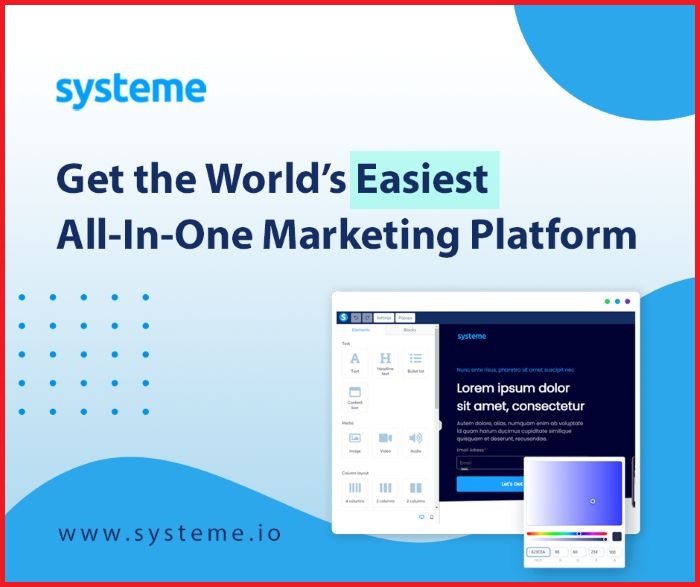
Platforms like HubSpot and GetResponse offer tools to help you personalize and track your emails effectively.
Building and managing your subscriber list is another essential aspect. This is where you’ll gather the right audience for your content.
Optimizing and testing your newsletters can maximize engagement and conversion rates. Be sure to follow compliance and best practices to ensure your emails reach the intended audience without any issues.
Key Takeaways
- Use email newsletters to enhance engagement and visibility.
- Craft appealing and personalized content for your audience.
- Optimize and test for higher conversions and compliance.
Understanding Email Marketing and Newsletters
Email marketing is a powerful tool in digital marketing that enables you to connect with your audience and boost engagement. Newsletters serve as an essential part of this strategy, offering valuable content to subscribers and keeping your brand at the forefront.
Defining Email Marketing and Its Significance
Email marketing involves sending targeted messages to a group of recipients via email. It’s used to promote products, share news, and build relationships with customers.

With an effective email marketing strategy, marketers can drive sales and loyalty. One key aspect is personalization, which helps tailor emails to individual preferences, increasing the likelihood of interaction.
Another important feature is automation. It allows you to send timely messages based on customer behavior, ensuring that the right content reaches the right people at the right time.
As you leverage analytics, you can track open rates, click-through rates, and other metrics, providing insights into what’s working and what needs improvement.
The Role of Newsletters in Digital Communication
Newsletters play a distinct role by delivering consistent, valuable content to subscribers. Unlike promotional marketing emails, they focus on building relationships and enhancing brand loyalty.
Through regular updates, you can establish your brand as an authority and keep your audience engaged.
Newsletters also offer an opportunity to share stories, insights, and updates that might not fit into other marketing emails. They can include diverse content, such as articles, interviews, or tips, making them versatile and appealing to a broad audience.
By crafting well-designed, relevant newsletters, you foster a connection with your subscribers, encouraging ongoing interaction and interest.
Strategizing Your Newsletter Campaign
To run a successful newsletter campaign, it’s important to align your goals with your target audience, design a strong strategy, and choose the right tools to help you. Each of these steps can boost your email marketing effectiveness and ensure that your messages reach the right people.
Setting Goals and Defining Target Audience
Start by identifying what you want to achieve with your newsletter campaign. Are you aiming to increase brand awareness, drive website traffic, or boost sales?
Clear goals will guide your strategy.
Pinpointing your target audience is just as crucial. Understand their interests, needs, and preferences. Use data, surveys, or analysis of past campaigns to shape this profile.
A well-defined target audience ensures your content is relevant, engaging, and more likely to convert readers into customers.
Designing a Newsletter Strategy
An effective newsletter strategy reflects on timing, content, and structure.
Create a content calendar to organize your campaign schedule over weeks or months. Consider the frequency of your emails; too many can overwhelm, too few may lose interest.
Craft compelling subject lines and include valuable content to keep readers engaged. Balance text and images for aesthetic appeal while maintaining readability.
Use personalization techniques, like addressing the reader by name. Testing different elements in your emails can show you what works best.
Learn from metrics such as open rates and click-through rates to refine your approach.
Selecting the Right Email Marketing Software
Choosing the right email marketing software is essential for managing and optimizing your campaigns.
Look for platforms that offer features like automation, analytics, and customizable templates. This software should also integrate well with other tools you use, such as CRM systems.
Consider cost and ease of use. Free trials or demos can help evaluate if the software meets your needs.
Reliable platforms also provide insights into subscriber behavior, helping you adjust your strategy. By selecting the right software, you streamline your workflow and enhance the impact of your newsletter campaign.
Crafting Your Email Content
Capturing your audience’s attention begins with a compelling subject line, followed by well-designed newsletter content that speaks directly to their needs. Personalizing your message can make it even more compelling and relevant to each recipient.
Creating Engaging Subject Lines
Your subject line is the first thing your audience sees. It should be clear and engaging to grab attention immediately.
Use powerful words, and keep it concise—aim for about 6-10 words.
Consider using numbers or questions to pique curiosity, like “5 Tips for Better Sleep.” Incorporate action verbs to motivate. Avoid words that might trigger spam filters, such as “free” or all caps.
A/B testing can be beneficial. Test different subject lines to see which one resonates most with your audience. Small tweaks can lead to higher open rates.
Designing Effective Newsletter Content
The content itself should be valuable and relevant. Start with a strong introduction that outlines what the reader can expect.
Use a consistent format for readability.
Organize your information with bullet points or numbered lists to make it digestible. Incorporate images and headings to break up text and maintain interest.
Ensure each piece of content supports your central message and offers value, such as tips, news updates, or insights relevant to your audience.
End with a clear call to action (CTA). Whether it’s visiting your website or signing up for an event, the CTA should be easy to find and act on.
Using Personalization to Enhance Relevance
Personalizing your newsletters can significantly increase engagement. Address recipients by name and tailor content to their past interactions or preferences.
Utilize segmentation to send more targeted emails. For instance, different groups might receive content based on their interests or purchase history. This ensures that each person receives information that matters to them.
Incorporate dynamic content blocks that change based on the reader’s profile. Personalized content makes the email feel more like a one-on-one conversation than a mass communication, boosting relevance and connection.
Email Newsletter Design Principles
Creating an effective email newsletter involves choosing the right designs and visual elements to catch the reader’s eye. These design elements help improve readability and reinforce your brand identity.
Choosing Appropriate Templates and Layouts
Selecting the right newsletter template is essential. It ensures your content is presented clearly.
Look for layouts that match your brand’s style and message. Templates should be mobile-friendly as many users read emails on their phones. A mobile-first layout improves accessibility and user experience.
Headers play a crucial role in catching attention. A clean, organized layout makes it easy for readers to focus on your message. If using bold fonts for headlines, balance them with simpler fonts elsewhere to avoid clutter.
Keep an eye on how your design choices align with your brand identity to foster stronger brand loyalty.
Incorporating Visual Elements and Branding
Visual elements like images and graphics can enhance your newsletter by making it visually appealing. Always use high-quality visuals that support your message.
Incorporate brand colors and logos to strengthen brand recognition. This consistent use of visuals helps build a cohesive brand image in readers’ minds.
Use alt text for all images to ensure accessibility for those who might not see them. Emojis can be used to add personality but should be applied sparingly to maintain professionalism.
A well-branded newsletter not only engages readers but also reinforces your company’s image and values.
Building and Managing Your Subscriber List
Creating and maintaining an effective email list requires clear strategies and consistent attention. Focus on managing your subscriber base efficiently and developing a strong subscription form to collect and keep contacts.
List Management Tactics
Effective list management is vital for maintaining a healthy subscriber list.
Segment your audience based on interests and behaviors to send personalized content. Using this approach, you cater to specific needs, boosting engagement rates significantly.
Regularly clean your list by removing inactive emails to ensure you only engage interested recipients. Tools that automatically filter out bounced or inactive addresses can help maintain this efficiently.
Furthermore, providing an easy unsubscribe option is essential for maintaining trust.
Developing a Subscription Form
Designing a compelling subscription form is key to growing your email list.
Focus on asking for minimal information to lower barriers for new sign-ups. Requesting just an email address and name is often enough.
Make use of attractive calls-to-action buttons. Consider offering incentives like discounts or exclusive content to encourage sign-ups.
Ensure that your form is visible across your website and social media to maximize exposure.
Test different form placements and designs to see what attracts more subscribers. Analytics tools can track performance and offer insights into which versions work best.
Optimization and Testing
To improve your email marketing efforts, it’s crucial to focus on both testing methods and measuring results. By experimenting with different elements and analyzing key metrics, you can enhance engagement and achieve better outcomes.
Implementing A/B Testing
A/B testing is a valuable method for optimizing your email newsletters.
It involves sending two versions of an email to a small group of your audience to see which performs better. You might test elements like subject lines, send times, or layouts. This helps identify what resonates well with your audience.
By focusing on engaged recipients who are active with your content, your tests will yield more accurate insights.
Incorporating artificial intelligence tools can further enhance this process. These tools analyze past data to recommend options for content and timing.
For detailed guidance, consider using resources like this complete guide to email marketing A/B testing.
Evaluating Email Marketing Metrics
Understanding metrics is key to knowing how well your emails perform.
Important metrics include open rates, click-through rates, and conversion rates, each providing distinct insights.
Open rates reveal how many people checked out your email. Click-through rates show how many interacted with links inside. Conversion rates track those who completed desired actions like purchases.
By monitoring these, you can tweak elements to boost overall performance.
Use audience segmentation techniques to target different user groups more effectively, as suggested in this performance optimization guide.
Seeing the impact of testing and metrics in action allows you to refine your strategies for greater success.
Maximizing Engagement and Conversions
To boost engagement and conversions in email marketing newsletters, focus on crafting effective calls-to-action (CTAs) and analyzing click-through rates. These elements can significantly improve the performance of your email campaigns by guiding readers towards desired actions and understanding subscriber interactions.
Creating Compelling Calls-to-Action
A strong call-to-action (CTA) is vital for encouraging email subscribers to take the next step. Start by crafting clear and concise CTAs that grab attention. Use action-oriented language, like “Shop Now” or “Learn More,” to prompt immediate responses.
Position your CTAs prominently within your email, ensuring they are easy to find without scrolling too far. Experiment with design elements, such as button colors and sizes, to see what resonates best with your audience.
Personalization in CTAs, using subscriber names or interests, can also enhance effectiveness. Test different CTAs to identify what achieves the highest conversion rates. Consistent testing and updating can lead to significant improvements over time.
Analyzing Click-Through Rates
Tracking click-through rates (CTR) is crucial for measuring how effectively your emails motivate subscribers to engage with content. A higher CTR indicates better engagement.
To improve this metric, regularly analyze which links get the most clicks and consider the placement and relevance of these links. Segment your audience to tailor content and links to specific interests, leading to higher engagement.
Try A/B testing with different subject lines, content layouts, and link placements. This approach can provide insights into what drives higher CTRs. By keeping an eye on trends and consistently optimizing based on data, you’ll develop more effective email strategies over time.
Leveraging Content for Newsletter Success
Creating an engaging newsletter involves selecting the right content mix. You can use curated and user-generated content to keep your audience interested and informed. These strategies help in sharing product updates, industry news, and more, keeping your newsletters fresh and relevant.
Curating High-Quality Content
Curated content is a powerful tool for newsletters. By selecting valuable information from trusted sources, you enrich your newsletter with diverse insights. Include product updates, industry news, and other relevant materials that resonate with your audience’s interests.
You should focus on presenting trustworthy and up-to-date information. To streamline this, consider using content curation tools like Feedly or Pocket, which help you efficiently gather content from various sources. For better engagement, add your perspective or analysis to the curated pieces.
This personal touch connects with your audience, making the newsletter feel unique. Lists or bold highlights draw attention to key points. Sharing a mix of content types, such as articles or infographics, keeps the newsletter dynamic and visually appealing.
Sourcing User-Generated Content
Incorporating user-generated content (UGC) adds authenticity to your newsletter. Encouraging your audience to share experiences or feedback can create a community feel.
Consider including customer reviews, testimonials, or user-created visuals related to your products or services. This makes your newsletter a platform for your audience to see themselves represented. Engage with your users by hosting contests or featuring user submissions.
This not only boosts interaction but also provides content with minimal effort. Use platforms like Instagram or Twitter to gather content directly from your followers. Acknowledging contributors with credit or a shout-out enhances brand loyalty and encourages further participation. By leveraging UGC, your newsletter becomes a space for shared experiences and insights.
Measuring Success and ROI
Understanding the success of your email marketing newsletter involves tracking key metrics, such as ROI and conversion rates. By using effective tools, you can gain deeper insights and optimize your marketing efforts.
Utilizing Email Marketing Tools for Analysis
To measure the success of your email campaigns, using tools like Google Analytics can be highly beneficial. These tools help you track important metrics such as open rates, click-through rates, and conversion rates. You’ll be able to see how your audience engages with your emails.
Consider using platforms like Mailchimp to set up automated reports. These can show detailed statistics and trends over time. You can identify which campaigns are performing well and which need improvement. Tailoring your content based on these insights can significantly improve engagement and conversion rates.
Regular analysis enables you to refine your strategies and focus on tactics that offer the best returns.
Tracking and Increasing ROI
Return on investment (ROI) is crucial for knowing if your email marketing efforts are cost-effective. ROI helps you see the financial return from your campaigns by comparing the profits earned against the costs incurred.
The formula for calculating ROI is:
[
\text{ROI} = \frac{\text{Profit} – \text{Cost}}{\text{Cost}}
]
If you made a $10,000 profit from a $1,000 campaign, your ROI would be (10,000 – 1,000) / 1,000 = 9, or 900%. Focusing on improving your mailing list quality can lead to better results.
Use insights from your analytics to tweak your email content and strategies, maximizing your marketing channel’s effectiveness.
Compliance and Best Practices
Email marketing requires adherence to legal guidelines and ethical standards to ensure success and protect your brand. This section explores how you can meet legal regulations while maintaining ethical practices in email marketing.
Adhering to Legal Regulations
To comply with legal requirements, it’s crucial to know where your email recipients reside. Different regions have specific regulations, like GDPR in Europe and CAN-SPAM in the US.
Stay informed about consent requirements to avoid legal pitfalls. Obtaining explicit consent from subscribers is essential. Use opt-in forms with clear checkboxes for different email types, such as newsletters and promotions.
Platforms like Mailchimp offer resources to help manage compliance with transparency and secure your email marketing efforts. Regularly update your policies to reflect changes in laws.
Clearly disclose who you are and how users can unsubscribe. This not only keeps you compliant but also builds trust with your subscribers.
Maintaining Ethical Standards
Maintaining ethical standards in email marketing involves more than just following laws. It’s about respecting your audience’s privacy and expectations.
Use personalization to send relevant content, but avoid overstepping by sharing data without consent. Transparency is key. Clearly describe how you’ll use subscribers’ information when they sign up.
Tools like AudienceX emphasize the importance of clear communication and respect for privacy. For small businesses and blogs, sustainable growth relies on honest marketing practices.
Avoid buying third-party lists, which often do not meet privacy standards and can harm your reputation. Keep your email lists clean and ensure your content adds value to your subscribers.
Advanced Techniques in Newsletter Marketing
To enhance your email newsletter strategy, it’s crucial to use advanced techniques like dynamic content and automation. Additionally, integrating these newsletters with other marketing channels can significantly increase engagement and website traffic.
Exploring Dynamic Content and Automation
Personalizing your newsletters with dynamic content can dramatically improve engagement. This means tailoring sections of your emails to individual subscribers based on their preferences or past behavior.
For instance, show relevant product recommendations or articles to different users. Using segmentation in your email newsletter service can help you achieve this by targeting specific audience groups.
Automation in newsletter marketing helps streamline the entire process. You can set up automated welcome emails for new subscribers or schedule emails based on user actions, such as cart abandonment.
This not only saves time but also ensures timely delivery of relevant content, which is essential in effective content marketing.
Integration with Other Marketing Channels
An effective newsletter marketing strategy should include integrating your newsletters with other marketing channels. Linking your email campaigns with social media platforms can extend your reach.
Encourage subscribers to share your newsletter content on their social networks, increasing visibility and driving more website traffic. Collaborate with influencers to feature your newsletter in their content.
This cross-promotion can attract their followers to subscribe. Another way is using newsletters to highlight special events or campaigns that your company is running online or offline. This connection between channels helps create a seamless marketing experience for your audience.
Case Studies and Success Stories
Exploring case studies can give you valuable insights into successful email marketing strategies. For example, LandCafe.pl used educational e-newsletters to boost its sales by 54%. They focused on offering valuable content and building product awareness among their subscribers, which shows how effective marketing software can drive sales in niche markets.
Consider examining email newsletter examples from different industries. Birchbox improved its conversions by 25% through engaging marketing emails. Their strategy included personalized content and targeted promotions, illustrating the power of customized emails in a competitive market.
Weekly newsletters that engage and inform can lead to impressive results. Some businesses have collected thousands of new subscribers in just a week. This success often involves creating high-interest, relevant content and using marketing software to segment and target audiences effectively.
When designing your own e-newsletter, look at what worked for others. For instance, Dell achieved a 109% revenue lift by integrating dynamic GIFs into their emails. This highlights how visual elements can enhance engagement and influence purchasing decisions.
Reviewing these success stories shows the impact of thoughtful planning and execution in email marketing. By tailoring content, segmenting your audience, and using creative design, you can create newsletters that not only inform but also convert, helping your business grow and thrive.
You can find more detailed examples and learn from these case studies to inspire your own success in the ever-evolving world of email marketing.
Frequently Asked Questions
Email marketing newsletters are powerful tools for businesses. This information will help you understand how to measure their effectiveness, increase reader engagement, design them optimally, find the best frequency for sending, include valuable content, and grow your subscriber list.
How can you measure the effectiveness of email marketing newsletters?
You can track the success of your newsletters through metrics like open rates, click-through rates, and conversion rates. These measures show how many subscribers are interacting with your content.
Analyzing these metrics helps identify what resonates with your audience, guiding improvements in your email strategy.
What are some strategies for increasing subscriber engagement in marketing newsletters?
To boost engagement, consider personalizing content based on subscriber preferences and behavior. Segmented email lists can target specific audience interests, making your newsletters more relevant. Encouraging feedback and offering interactive content, like surveys and quizzes, can also enhance engagement and make your newsletters more appealing.
What are the best practices for designing email marketing newsletters?
Effective newsletter design involves a clear layout, eye-catching visuals, and concise, engaging copy. Ensure that your design is mobile-friendly since many people read emails on their phones.
Use a strong call-to-action to guide readers on what to do next. Testing different designs can also help find what works best for your audience.
How often should a business send out marketing newsletters for optimal impact?
Finding the right frequency depends on your audience and industry. Generally, sending newsletters weekly or bi-weekly works well for keeping your brand top of mind without overwhelming your subscribers.
It’s important to monitor engagement and adjust the frequency based on subscriber responses and preferences.
What content should be included in a marketing newsletter to maximize value for readers?
Content should be relevant, informative, and valuable to your readers. Include company updates, industry news, and special promotions.
Educational content like tips or how-to articles can engage and provide real value. Featuring customer stories or testimonials can also build trust and strengthen relationships with your audience.
What techniques can be used to grow an email marketing newsletter subscriber list?
You can grow your subscriber list by offering incentives like discounts or exclusive content for sign-ups.
Also, promote your newsletter through multiple channels, such as social media and your website.
Collaborating with other businesses or influencers can also expand your reach.
Ensure that your sign-up process is easy and accessible to encourage participation.