Advertising your products online can be tough with so many options available. Facebook Ads offer unique tools to grow your e-commerce business. Effectively using Facebook Ads can help you reach new customers and boost your sales. With their visual appeal and targeting capabilities, these ads allow you to connect with audiences in a meaningful way.
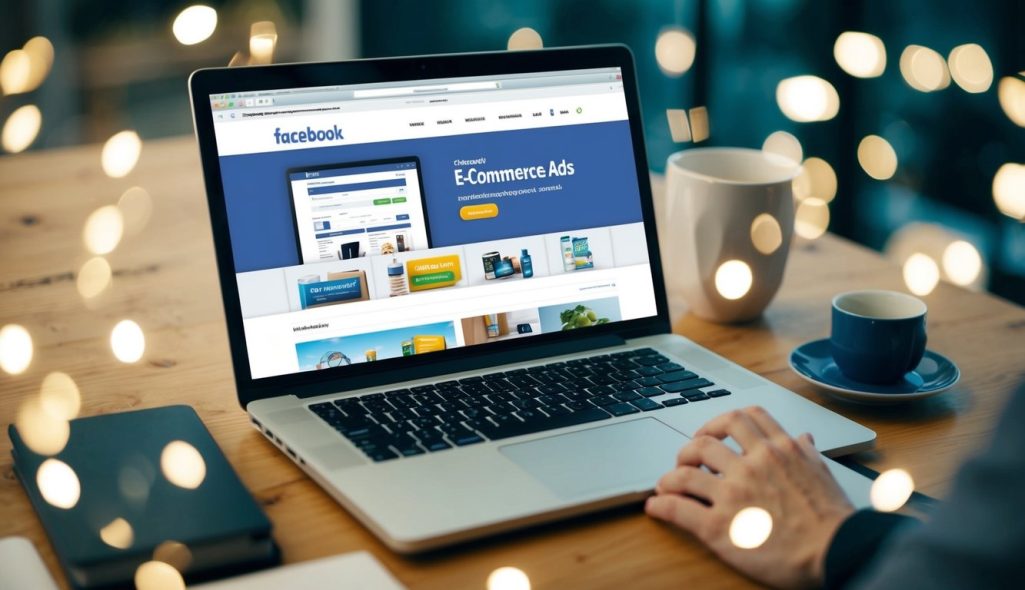
You’ll learn to craft eye-catching content and target the right audience. From choosing ad formats to setting budgets, navigating the features will set you apart. By understanding these elements, you can elevate your brand and increase revenue.
Using Facebook Ads strategically can transform your marketing efforts. It involves understanding advanced techniques and optimizing performance. Whether you’re just starting or looking to refine your strategy, mastering Facebook Ads can help you succeed in the competitive e-commerce landscape.
Key Takeaways
- Facebook Ads help boost e-commerce sales.
- Crafting high-performing ad content is essential.
- Optimizing ad strategies leads to success.
Understanding Facebook Ads for E-Commerce
When using Facebook Ads for your e-commerce business, it’s crucial to know how they fit into your strategy. This involves recognizing the different types of ads and understanding the metrics that indicate performance. It’s also important to interpret Facebook attribution data accurately, which helps in evaluating the effectiveness of your campaigns.
The Role of Facebook Ads in E-Commerce
Facebook Ads are crucial for boosting e-commerce sales. With over 2 billion daily active users, Facebook offers a vast audience pool. Ads can increase brand awareness and drive traffic to your website. They play a key part in reaching potential customers who are already interested in your product category.
Targeting capabilities on Facebook allow you to narrow down your audience based on demographics, interests, and behaviors. This ensures that your ads reach the right people. By doing so, you enhance the chances of conversion and improve return on investment.
Differentiating Facebook Ad Types
Facebook offers a variety of ad types tailored to different e-commerce needs. Image and Video Ads are ideal for showcasing products visually. Carousel Ads allow you to display multiple images or videos in a single ad to highlight different features or items.
Collection Ads provide a seamless browsing experience directly on the platform. They open into a full-screen experience, making it easy for users to explore your offerings. Choosing the right ad type depends on your campaign goals and the kind of engagement you want from your audience.

Key Metrics for Ad Performance Evaluation
Understanding key metrics is crucial for assessing your ad performance. Click-Through Rate (CTR) measures how many people click on your ad after seeing it. A high CTR indicates strong ad engagement. Conversion Rate shows the percentage of users who complete a desired action, like purchasing a product after clicking your ad.
Return on Ad Spend (ROAS) is essential for gauging the profitability of your ads. This metric shows how much revenue you earn for every dollar spent. Analyzing these metrics helps you fine-tune your strategies and allocate your budget more efficiently.
Interpreting Facebook Attribution
Facebook Attribution provides insight into how your ads influence customer behavior across different devices and channels. This tool helps you understand the customer journey from the first interaction to the final conversion. It allows you to see which ads or touchpoints played a significant role in converting a visitor into a customer.
By interpreting attribution data, you can identify the most effective channels and strategies to optimize your future ad campaigns. It helps in making informed decisions regarding where to focus your advertising efforts and how to improve them for better results.
Setting Up for Success
To effectively run Facebook Ads for your e-commerce business, you need to use tools like the Facebook Pixel, Conversions API, and Facebook Business Manager. Also, having a solid campaign structure is crucial.
Utilizing the Facebook Pixel and Conversions API
The Facebook Pixel is a powerful tool that helps you track user actions on your website. By gathering data, it enables you to optimize ads, track conversions, and build targeted audiences. Installing the pixel is straightforward. You add a small piece of code to your website, which then collects relevant data.
In addition, the Conversions API works alongside the Facebook Pixel. It helps deliver even more reliable data by sending conversions directly from your server to Facebook. This can improve the accuracy of your data, especially if the pixel encounters tracking limitations. Together, these tools provide a robust system for data collection and insight generation.
Navigating the Facebook Business Manager
The Facebook Business Manager is essential for managing your ad accounts, Pages, and the people who work on them. It’s a centralized platform where you can oversee multiple aspects of your e-commerce ads.
To get started, create a Business Manager account and link your Facebook Page. Assign roles to team members with varying permissions. This ensures smooth collaboration and security. You can also add your Facebook Ad account here, allowing for quick management of campaigns. Becoming familiar with this tool is crucial in running efficient ad operations.
Creating a Solid Facebook Ad Campaign Structure
Establishing a strong ad campaign structure involves setting clear objectives and organizing your ad sets. Start with choosing the right campaign objectives, like traffic, conversions, or engagement, which align with your business goals.
In an ad set, define your target audience, budget, and schedule. Think about the demographics and interests of your potential customers. By grouping similar ads into well-structured ad sets, you ensure that your budget is directed appropriately. Ad placement and creative elements should also match your campaign goals, ensuring consistent brand messaging across all ads.
Audience Targeting Strategies
Effective audience targeting plays a crucial role in maximizing the impact of your Facebook Ads for e-commerce. By using strategies such as building custom audiences for retargeting, leveraging lookalike audiences for expansion, and harnessing the power of dynamic product ads, you can boost customer acquisition and improve conversion rates.
Building Custom Audiences for Retargeting
Creating custom audiences allows you to reach users who have already interacted with your brand. These interactions can include visiting a webpage, signing up for a newsletter, or placing items in a shopping cart without completing a purchase. Retargeting campaigns are effective since they target users who have shown interest in your products.
To build a custom audience, compile data from your website or app activity. Facebook’s pixel is a tool that helps gather this information. Once you have this data, create segments based on specific actions users have taken. This segmentation allows you to tailor your ads and offers to meet the needs of different groups, increasing the chances of reconverting previous visitors.
Leveraging Lookalike Audiences for Expansion
Lookalike audiences are a powerful tool for customer acquisition. They help you find new customers by targeting users similar to those in your existing customer database. By analyzing your best-performing custom audience, Facebook can create a lookalike audience with similar traits and behaviors.
To create a lookalike audience, select your source audience, which could be an email list or people who engaged with your app. Specify the size of your lookalike audience based on how similar you want it to be to your source audience. A smaller percentage will mean more similarity, whereas a larger one broadens your reach. This strategy helps in expanding your market reach while maintaining the quality of your target group.
The Power of Dynamic Product Ads
Dynamic Product Ads let you automatically show users ads featuring products they are most likely to buy. This is done by using data on user behavior and interests. When someone visits a product page but doesn’t purchase, dynamic ads can remind them of those products with a relevant ad when they are on Facebook or Instagram.
Dynamic Product Ads leverage your product catalog and Facebook pixel to automatically match the right product with the right audience. These ads dynamically adjust based on user interaction, thus saving you time on manual updates. They are especially effective for retargeting campaigns, as they show users the exact products they have previously viewed, encouraging them to complete their purchase.
Crafting High-Performing Ad Content
Creating effective Facebook ads for e-commerce involves using different ad formats to engage your audience, boost brand awareness, and drive conversions. Each ad type offers unique benefits like enhancing engagement rates and providing social proof.
Designing Video Ads for Maximum Engagement
Video ads capture attention with motion and sound. Start with an engaging hook in the first few seconds to draw in viewers. Focus on showcasing your product’s features or benefits through clear visuals. Adding captions is important since many users watch videos without sound.
Platforms like Facebook offer metrics to measure engagement, helping you adjust and optimize your ads. Use these insights to determine the best-performing videos and content styles. A strong call-to-action (CTA) encourages viewers to take the next step, increasing the potential for conversions and boosting your overall engagement rate.
Enhancing Brand Awareness with Collection Ads
Collection ads combine a main image or video with a set of smaller images underneath. This format is ideal for brand awareness as it highlights a range of products within a single ad. Each ad includes an immersive experience when clicked, leading users to a full-screen view of your product catalog.
Ensure that your main image or video captures the essence of your brand and tells a story. High-quality visuals help create a memorable impression on potential customers. Use optimized product descriptions and clear pricing to attract and convert interested users. This ad format is particularly effective in showcasing new product lines or featured items.
Utilizing Carousel Ads to Showcase Products
Carousel ads allow you to display multiple images or videos within a single ad unit. This format lets you showcase various products, each with its own link, making it perfect for promoting multiple items at once. Use them to highlight product features, benefits, or different angles and uses.
Engage users with creative storytelling across different slides. Focus on a seamless flow between images, which keeps viewers engaged. Carousel ads provide flexibility in creative experimentation, helping you find the combinations that drive the highest conversions and improve social proof through user engagement.
Dynamic Ads and Personalization
Dynamic ads automatically present relevant products to users based on previous interactions with your website. Leveraging this personalization enhances user experience and increases the chances of conversion. Set up your product catalog in Facebook’s platform to begin using dynamic ads.
Personalized content resonates more with users, as it feels tailor-made for their needs. Utilize Facebook’s retargeting capabilities to remind users of products they viewed but did not purchase. Dynamic ads save time and effort by automating the process while maximizing relevance and precision in targeting, translating to improved engagement and sales.
Optimizing Ad Performance
When improving the performance of your Facebook Ads for e-commerce, focus on tracking conversions, refining audience segmentation, and creating effective sales funnels. Additionally, use ad copy to encourage quick action.
Conversion Tracking and ROI Measurement
Accurately tracking conversions is crucial to understand the effectiveness of your Facebook Ads. Use tools like Meta Pixel to collect data on customer interactions. This helps in measuring the return on ad spend (ROAS) and ensures you’re not overspending on ads that don’t convert.
Create simple yet informative reports to visualize your data. A clear picture of ROAS allows you to make informed decisions about future ad spend. Consistent tracking helps refine strategies and maximize profits.
Refining Audience Segmentation and Retargeting
To enhance ad performance, divide your audience based on their behavior and preferences. Detailed segmentation lets you tailor messages to specific groups, improving engagement rates.
Retargeting campaigns are an effective way to reconnect with past website visitors. By showing these users relevant ads, you increase the chance of conversion. Use dynamic ads to showcase products they previously showed interest in, encouraging them to complete purchases.
Implementing Sales Funnels to Boost Sales
A well-structured sales funnel guides potential customers from awareness to purchase. Start by grabbing attention with engaging content at the top of the funnel, and then nurture interest through informative ads in the middle.
At the bottom of the funnel, provide compelling reasons to buy now. This might involve highlighting special offers, using testimonials, or demonstrating product benefits. Each funnel stage should subtly lead the user closer to making a purchase decision.
Creating a Sense of Urgency in Ad Copy
Incorporate persuasive language that motivates customers to act quickly. Words like “limited-time offer” or “while stocks last” can create a sense of urgency, compelling users to make faster decisions.
Bold any critical information in your ad copy to make it stand out. Use lists to present key points succinctly, and ensure important deadlines are visible. This approach can effectively push consumers towards completing a transaction.
Advanced Facebook Advertising Techniques
Maximizing the impact of Facebook Ads requires exploring advanced strategies. This includes leveraging Custom Conversions, Lookalike Audiences, and the Meta Pixel for precise tracking. Focused A/B Testing can further refine ad performance by providing insights that drive effective decision-making.
Scaling with Custom Conversions and Lookalike Audiences
You can target audiences with similar traits using Lookalike Audiences to boost efficiency. Start by creating a base Custom Audience, composed of your best users. These may include those who’ve made purchases or engaged heavily with your content.
Then, create a Lookalike Audience in Facebook Ads Manager. This audience is built from your Custom Audience, helping you reach new users likely to be interested in your offerings. By targeting these users, you can scale your campaigns effectively, increasing sales and driving traffic.
Mastering Meta Pixel for Advanced Tracking
The Meta Pixel is an essential tool for conversion tracking. By installing it on your website, you can track user interactions and measure ad performance. This data allows you to optimize campaigns by adjusting bids, budget, and targeting.
Additionally, it aids in retargeting users who previously engaged but didn’t convert. By understanding user behavior through the Meta Pixel, you can refine ad strategies to increase conversion rates and improve return on investment (ROI).
A/B Testing for Continuous Improvement
A/B Testing involves comparing two ad variations to determine the more effective option. Start by changing a single element, like the headline, image, or call-to-action, to see its impact on engagement and conversions.
Run these tests within Facebook Ads Manager. Analyze metrics such as click-through rates and conversions to guide strategic decisions. Regular A/B Testing ensures your ads remain optimized, helping you consistently improve your campaigns’ effectiveness.
Frequently Asked Questions
In e-commerce, Facebook Ads are crucial for reaching your target audience. Below are common questions about creating effective ads, maximizing conversions, and using tools to enhance your advertising strategy.
How do I create effective Facebook ads for my e-commerce business?
To create effective ads, focus on using compelling visuals and concise messaging. Dynamic ads are especially effective because they tailor content to individual user activity. Utilizing laser-focused targeting can help you present the right product to the right audience, increasing the likelihood of conversion.
What are some examples of high-converting e-commerce Facebook ads?
High-converting ads often feature engaging visuals and strong calls to action. They highlight products that solve a problem or meet a specific need. For instance, showcasing how your product improves daily life through customer testimonials can lead to higher engagement and conversions.
Can you explain the use of Facebook Commerce Manager for e-commerce?
Facebook Commerce Manager helps manage your product catalog and sales across Facebook and Instagram. It allows you to handle orders, track inventory, and offer a seamless shopping experience, which enhances your ability to reach new customers through integrated platforms.
How do I access and use the Facebook Ads Library for market research?
The Facebook Ads Library is a tool that provides transparency by allowing you to view ads currently running on Facebook. Access it by visiting their Ads Library page. This can help you identify trends, understand competitor strategies, and refine your own ad campaigns.
What are the latest strategies for optimizing Facebook ads in e-commerce?
Stay updated with ad trends by testing different formats and keeping your content fresh. A/B testing helps determine which versions resonate better with your audience. Make use of features like the Meta Ads Manager to track performance metrics and optimize in real-time.
How does the ‘3 2 1 ad’ method work for Facebook advertising?
The ‘3 2 1 ad’ method involves showcasing three images, two objectives, and one call to action in your advertisements. This strategy aims to engage users quickly and effectively. It offers multiple touchpoints to connect with your audience and encourages them to take desired actions.