Email marketing helps businesses connect with their audience. It’s about more than just sending messages; it’s about achieving specific goals that drive success. Setting clear email marketing objectives can enhance customer experience, boost brand engagement, and drive sales.
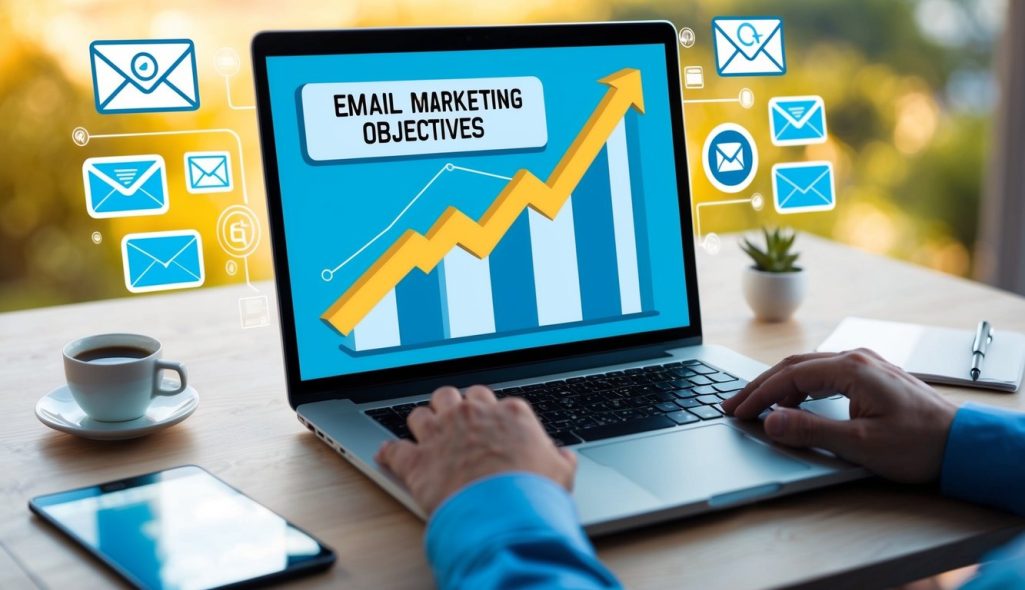
An effective email marketing campaign requires setting measurable goals. Whether you’re aiming to generate more leads or increase traffic to your website, aligning your objectives with the right strategies is crucial.
With the right objectives, you can tailor your emails to meet your business needs and enhance customer satisfaction.
Optimizing and measuring your success is key. By tracking metrics such as open rates and conversions, you can refine your approach to achieve better results. Embracing tools like automation and analytics can significantly improve your email marketing efforts, ensuring your campaigns are both effective and efficient.
Key Takeaways
- Define clear goals to guide email campaigns.
- Use email automation for better engagement.
- Track metrics to improve campaign success.
Setting Email Marketing Goals
When setting email marketing goals, focusing on clear objectives can guide your strategies effectively. Using the SMART framework and understanding your customers’ journey are two key methods to ensure your efforts align with your business needs.
Defining Smart Goals
SMART goals ensure clarity and specificity in email marketing. The acronym stands for Specific, Measurable, Achievable, Relevant, and Time-bound. By defining goals this way, you create a path that is easy to follow and evaluate.
Specific goals mean focusing on clear targets, like increasing newsletter sign-ups by 20%. Measuring progress involves using metrics such as open rates or click-through rates.
To ensure achievability, set realistic expectations that align with your resources.
Goals should be relevant to your marketing objectives, ensuring that they contribute to broader business aims. Finally, time-bound goals mean setting a deadline, like reaching a target within three months, to maintain a sense of urgency.
Understanding the Customer Journey
Knowing the customer journey is crucial in setting email marketing goals. Your audience goes through stages: awareness, consideration, and decision. Tailoring emails to each stage helps engage customers effectively.
During the awareness stage, focus on educational content that introduces your brand. As customers move to consideration, provide detailed information, such as case studies or testimonials, to help them evaluate options.
In the decision phase, offer incentives or personalized offers to encourage purchases.
You can use data from customer interactions to refine your strategy. Platforms like Mailchimp offer insights that help segment your audience according to their journey stages. By aligning goals with the customer journey, you ensure your emails are relevant and engaging.
Creating Your Email Campaigns
In crafting email campaigns, it’s crucial to focus on creating engaging subject lines and effective calls-to-action. These elements can significantly impact open and click-through rates, steering the success of your campaigns.
Crafting Compelling Subject Lines
Subject lines are the first impression of your email. They need to be engaging and informative.
Aim for brevity—keep your subject lines under 50 characters to ensure readability on mobile devices.
Personalization can boost open rates. Including the recipient’s name or location makes the email feel tailored. Also, use action-oriented language to create urgency. For example, “Grab Your Discount Today” encourages immediate action.
Avoid spammy words like “free” or “cheap” as these can trigger spam filters. Instead, capitalize on curiosity or scarcity, using phrases like “Limited Time Offer” or “See What’s Inside.”
Designing Effective Calls-To-Action
A call-to-action (CTA) guides your readers to the next step. It must stand out visually—using contrasting colors or bold text can draw attention.
Keep CTAs clear and concise. Action verbs such as “Discover,” “Join,” or “Start” motivate readers.
Phrasing should match the offer, for instance, “Subscribe Now” fits a newsletter campaign.
Position your CTA wisely. Placing it above the fold—visible without scrolling—can increase click-throughs. You could also repeat it at the end to capture undecided readers.
Testing different CTAs can reveal what works best for your audience, refining your strategy over time.
Measuring Success and ROI
Measuring the success of your email marketing involves analyzing key metrics like click-through rates and conversion rates. Understanding these metrics helps optimize your campaigns and achieve your marketing objectives. Calculating return on investment (ROI) shows how your strategies contribute to business goals.
Analyzing Click-Through Rates
Click-through rates (CTR) indicate how many recipients clicked a link in your email. This metric shows the engagement level your content achieves.
To improve CTR, focus on crafting attention-grabbing subject lines and compelling calls to action.
Segmenting your audience can also boost CTR. When emails are tailored to specific interests, people are more likely to engage.
Use A/B testing to compare different email elements and see what resonates best with your audience. This involves sending two versions of an email to different subscriber segments to determine which performs better.
Regularly tracking and adjusting your approach based on CTR data can lead to more effective campaigns.
Evaluating Conversion Rates
Conversion rates measure how many recipients completed the desired action, like making a purchase or signing up for a newsletter. This metric is crucial for assessing how persuasive your email content is.
To improve conversion rates, ensure your emails are precise, focus on one call to action, and provide value.
Personalization can significantly impact conversion rates. Address recipients by name and tailor content to their preferences or past interactions.
To further enhance effectiveness, optimize landing pages linked in your emails. They should align with your email content and make it easy for users to complete the action.
Tracking conversion rates helps fine-tune strategies to better meet your marketing objectives.
Calculating Return on Investment (ROI)
Return on investment (ROI) quantifies the profitability of your email campaigns. It’s calculated by subtracting the campaign cost from the profit generated, divided by the campaign cost.
Tracking ROI helps determine which strategies give you the best value and align with business goals.
Email marketing often delivers a high ROI. For instance, the average ROI for email marketing is about $36 for every $1 spent (https://influenctor.com/email-marketing/email-metrics/6-key-strategies-for-measuring-email-marketing-roi/).
To boost ROI, focus on retaining customers and building brand loyalty through engaging content.
Analyze and adjust campaigns consistently to maximize returns, ensuring your efforts efficiently support your overall marketing objectives.
Leveraging Email Automation
Using email automation can transform your marketing strategy by saving time and personalizing messages. This section explores essential tools and techniques, such as A/B testing and segmentation.
Exploring Email Automation Tools
To make the most of email marketing, using the right tools is crucial. Platforms like HubSpot and Mailchimp provide options for automating tasks such as sending welcome emails and newsletters.
These tools help you set conditions or triggers, like form submissions, to automatically contact the right audience.
Look for tools that allow detailed workflows and seamless integrations. This can enhance how you manage contacts and improve your overall strategy.
Choose a platform that matches your business needs, focusing on ease of use and flexibility in designing email sequences.
Implementing A/B Testing
A/B testing is essential in optimizing your email campaigns. It involves sending two versions of an email to different audience segments to see which one performs better. You might test subject lines, call-to-action buttons, or images.
Start by picking a single element to test for the clearest results.
Tools often provide analytics to track open rates, click rates, and conversion rates. Implement changes based on data findings, which helps in refining your approach.
Regular testing can lead to better engagement and conversion over time.
Segment and Personalize Communications
Segmenting your audience involves categorizing your email list based on criteria like age, location, or behavior. This enables you to tailor messages specifically for different groups, making communication more relevant.
Personalized emails can increase engagement by addressing the needs and preferences of each segment.
Use dynamic content, such as personalized greetings or product recommendations, to enhance interaction. Personalization based on user behavior or past purchases can significantly boost both user satisfaction and sales.
Developing a Comprehensive Marketing Strategy
Creating an effective marketing strategy involves aligning content marketing with your overall goals and ensuring that it integrates smoothly with other marketing channels. This approach helps maximize reach and engagement.
Incorporating Content Marketing
Content marketing plays a vital role in your strategy by offering valuable information that resonates with your audience.
Start by identifying topics that align with your business and audience interests. Use tools like keyword research to uncover what potential customers are searching for online.
Once you’ve identified key topics, craft content that’s engaging. This includes blog posts, videos, and infographics.
It’s important to blend creativity with SEO techniques to improve visibility.
Regularly updating your content keeps it fresh and relevant, encouraging more engagement over time.
Another crucial aspect is analyzing content performance. Keep track of metrics like page views and social shares to determine what works best.
Use this data to refine your content approach, ensuring that you continually meet audience needs and marketing goals.
Integrating with Other Marketing Channels
To broaden your campaign reach, integrate your email marketing strategy with other channels.
Start by aligning your messaging across platforms like social media, blogs, and SEO efforts. This cohesive approach enhances brand consistency and reinforces your campaign messages.
Use data from email marketing campaigns to target specific audience segments on each channel. Cross-promotion can increase engagement and attract new subscribers.
For example, share snippets of your newsletter on social media to drive traffic back to your email list.
Additionally, ensure all channels support each other. A well-timed social post can remind followers to check their inboxes, while SEO efforts can bolster email sign-up landing pages. This integration ensures that each marketing effort builds upon the others for maximum impact.
Growing and Managing Your Subscriber List
To effectively run an email marketing campaign, focusing on growing and managing your subscriber list is crucial. Using techniques like double opt-ins and segmenting your list can significantly enhance engagement and ensure that your messages reach the right audience.
Implementing Double Opt-Ins
Double opt-ins involve requiring subscribers to confirm their email addresses after they initially sign up. This step adds a layer of security and ensures that the people on your list are genuinely interested.
When a subscriber enters their email, they receive a confirmation message.
Requiring confirmation prevents fake or incorrect email addresses, reducing bounce rates and improving deliverability.
Double opt-ins also help maintain a clean subscriber list, which means better targeting and engagement. By verifying interest, you ensure that your audience is engaged and attentive, leading to more successful campaigns. Implementing this practice builds trust with your subscribers and strengthens your sender reputation.
Segmenting Your List for Targeted Campaigns
Segmenting your email list involves dividing it into smaller, more targeted groups based on specific criteria. This can include demographics, past purchase behavior, or user preferences.
By sending tailored content to each segment, you increase the relevance of your messages, leading to higher open and click-through rates.
Creating segments can be achieved using data collected during sign-up or through user interactions. Tools and software available today make it easy to dynamically adjust segments as subscribers’ behaviors change over time.
When you segment your list for targeted campaigns, you ensure that subscribers receive content that resonates with them. This targeted approach helps in building stronger relationships and increases the likelihood of conversions, making your campaigns more effective.
Enhancing Customer Experience
Delivering great customer experience through email marketing involves personalization, engaging with user content, and offering tailored recommendations. These strategies improve customer engagement, making your communications more relevant and valuable.
Optimizing for Personalization
Personalization involves tailoring your emails to each subscriber’s preferences and behaviors. You can create emails that speak directly to an individual’s interests using data like past purchases and browsing history. This approach increases customer engagement because the content feels more relevant to them.
Consider implementing dynamic content blocks that change based on user data. This can include personalized greetings, product recommendations, and special offers. Small adjustments like these make emails feel like they are crafted just for the recipient, enhancing customer experience significantly.
Including User-Generated Content
Incorporating content created by your users into your emails can boost credibility and trust. User-generated content, like reviews or photos from social media, provides authentic insights into your products from real customers. Featuring such content not only enhances customer experience but also encourages more users to share their own stories.
To leverage this, create a segment in your email featuring photos tagged with your brand. Highlight positive reviews or comments regularly to engage and appreciate your community. This not only builds a sense of community but also drives engagement by showcasing genuine customer interactions.
Offering Personalized Recommendations
Providing personalized product recommendations can greatly enhance the shopping experience. You can suggest items that are most likely to interest the subscriber by analyzing previous purchase behavior and browsing data. This tailored approach boosts customer engagement by making shopping efficient and enjoyable.
To accomplish this, integrate recommendation algorithms that sift through data effectively. Add sections in your emails like “Recommended for You” or “You May Also Like.” This level of customization not only helps in driving sales but also assures customers that you understand their needs, thus improving their overall experience.
Boosting Brand Engagement
Engaging your audience through email marketing can strengthen both brand awareness and loyalty. By sharing valuable content and maintaining consistent interaction, you can elevate your brand’s visibility and keep your customers satisfied.
Building Brand Awareness
Building brand awareness is vital in helping potential customers recognize and remember your business. Consistent email marketing plays a crucial role by making your brand visible.
This can be achieved by sending emails that highlight your brand’s unique traits and values. Use attractive visuals and a clear message to catch the reader’s eye. Including your brand’s logo and signature colors helps create a consistent image.
Another key strategy is to share stories or insights about your company culture or team that reflect your brand’s mission or values. Encourage subscribers to engage with your emails by asking for feedback or including interactive elements such as polls or questions. These tactics can turn a passive audience into active participants, gradually increasing brand recognition.
Fostering Brand Loyalty
Fostering brand loyalty involves turning casual customers into regular buyers. Email marketing is effective here by providing personalized content that values your customer’s preferences.
Tailor your emails with personalized greetings and offers based on previous purchases or interactions. Reward loyal customers with exclusive deals, early access to new products, or birthday discounts, showing them that they are appreciated.
Regularly update your subscribers about products or services that interest them. Sharing valuable insights or tips related to their interests also builds trust and satisfaction. Developing a feeling of belonging through well-crafted emails can turn your subscribers into brand advocates who appreciate and promote your brand to others.
Driving Sales and Conversions
To boost sales and conversions, you need to focus on generating leads, enhancing website traffic, and using email strategies effectively. These elements work together to engage customers and encourage purchases.
Generating Leads
Generating leads is the first step in increasing sales. It’s important to attract potential customers with engaging content and offers. You can use sign-up forms, landing pages, and social media to gather contact information from interested individuals.
Creating valuable offers like free trials, discounts, or exclusive content can entice people to share their details. Once you have their information, personalized and targeted emails can nurture these leads. This process helps build relationships and keeps your brand in their minds, increasing their likelihood of becoming customers.
Enhancing Website Traffic
Enhancing website traffic is crucial for driving conversions. Emails can play a key role in directing potential customers to your site. Share engaging content that encourages readers to visit your website.
Including links to blog posts, product pages, or special promotions can entice readers to learn more. These linked pages should be optimized to provide clear information and a smooth user experience. This increases the chance that visitors will explore further, leading to potential sales.
Utilizing strong, actionable language in your emails can guide your audience toward taking specific steps, like visiting a product page.
Driving Conversion Through Email
Driving conversion through email involves using well-crafted messages that encourage subscribers to take action. Start by segmenting your audience based on interests and behavior. This allows you to tailor messages to each group’s needs.
Include clear calls-to-action (CTAs) to make it simple for recipients to know what steps to take next. Whether it’s completing a purchase, signing up for a webinar, or downloading a guide, your CTA should stand out.
Consider leveraging A/B testing to find the most effective email designs and offers. By analyzing which emails result in higher conversion rates, you can refine your strategies and boost success. Using these targeted email tactics, you can effectively transform leads into loyal customers.
Maintaining Customer Retention
Keeping existing customers is as crucial as gaining new ones. Email marketing plays a significant role in this process by crafting targeted campaigns and evaluating specific metrics. These efforts help maintain strong connections and drive long-term engagement.
Creating Retention Campaigns
To keep your customers engaged, develop retention email campaigns that remind them why they chose your product. Highlight key features and benefits that solve their problems. Use personalized content to make emails feel relevant and valuable.
Consider offering exclusive deals or early access to new products. This creates a sense of exclusivity and appreciation. Regular communication through automated emails helps maintain a consistent relationship. Tools like newsletters or drip campaigns can build a rhythm of contact that aligns with customer needs.
Measuring Customer Retention Metrics
To understand how well your retention efforts perform, focus on key metrics. One important measure is customer lifetime value (CLV), which indicates the total revenue brought by a customer over time. This insight is crucial for evaluating long-term business success and can guide campaign adjustments.
Tracking churn rate is another vital metric. It tells you the percentage of customers no longer active over a period. A high churn rate may signal the need for improved strategies. Regularly assess these metrics using analytics tools to ensure your email marketing strategies align with business goals. These insights can help refine your retention efforts for better outcomes.
Utilizing Analytics for Optimization
Analytics can be a powerful tool for improving your email marketing strategy. By focusing on key metrics and using data-driven decisions, you can optimize your campaigns for better performance and engagement.
Tracking and Analyzing Data
To optimize your email marketing, start by tracking metrics like open rates, click-through rates, and conversions. These numbers tell you how well your emails are performing. Use tools like Google Analytics to gather comprehensive data about recipient behavior.
Regularly reviewing this data helps you see patterns and trends. For instance, knowing the best times to send emails can increase open rates. A/B testing can also help you find the most effective subject lines, email copy, and call-to-action buttons.
Making Data-Driven Decisions
Data-driven decisions mean using the information from your analytics to make informed choices about your email campaigns. Look for insights that show what works best for your audience. For example, if emails with certain subject lines have higher open rates, focus more on those strategies.
Tailor your content based on engagement patterns. If a specific group responds better to particular content, personalize your emails to match their interests. Continually tweak and refine your strategies to ensure the highest level of engagement and conversion.
Using analytics for email marketing optimization requires regular updates and adjustments. Data-driven strategies can help you maximize your efforts and achieve your marketing goals more effectively.
Frequently Asked Questions
Email marketing is a versatile tool that helps businesses achieve various goals, from increasing revenue to building customer loyalty. Understanding key metrics and strategies can enhance the effectiveness of your campaigns.
What are typical goals businesses aim to achieve with email marketing?
Businesses often use email marketing to expand their reach, generate sales, and build brand awareness. It also helps in promoting new products and keeping customers informed about updates, as seen in strategies like providing product updates.
How can email marketing support overall business objectives?
Through targeted campaigns, email marketing can increase customer engagement and drive sales. It aligns with broader business goals by nurturing leads and retaining existing customers, contributing meaningfully to long-term success.
What are the main metrics to evaluate the success of email marketing campaigns?
Key metrics to track include open rates, click-through rates, and conversion rates. Evaluating these metrics helps determine the effectiveness of your campaigns. For instance, the average open rate for marketing emails can range from 17-28%.
In what ways does email marketing contribute to customer retention and loyalty?
Email marketing fosters loyalty by keeping customers informed and engaged. Offering personalized content and rewards can encourage repeat business and build stronger relationships. Techniques like segmented and targeted emails are effective in increasing engagement.
How should one define SMART objectives for email marketing campaigns?
SMART objectives are specific, measurable, achievable, relevant, and time-bound. Defining these goals helps in crafting focused and effective email strategies, ensuring each campaign aligns with broader business aims.
What strategies can be employed to maximize email marketing ROI?
To boost ROI, employ strategies like list segmentation, personalized messaging, and automated workflows. Investing in analytics to refine campaigns will also help improve the return on investment.
Personalized emails are shown to significantly trigger more customer engagement.