In the fast-paced world of online business, mastering the art of the ecommerce funnel can revolutionize your sales strategy. An effective ecommerce funnel template guides potential customers through a seamless journey, converting visitors into loyal buyers. With the right strategies, you can enhance every step of this journey, from attracting leads to closing sales.
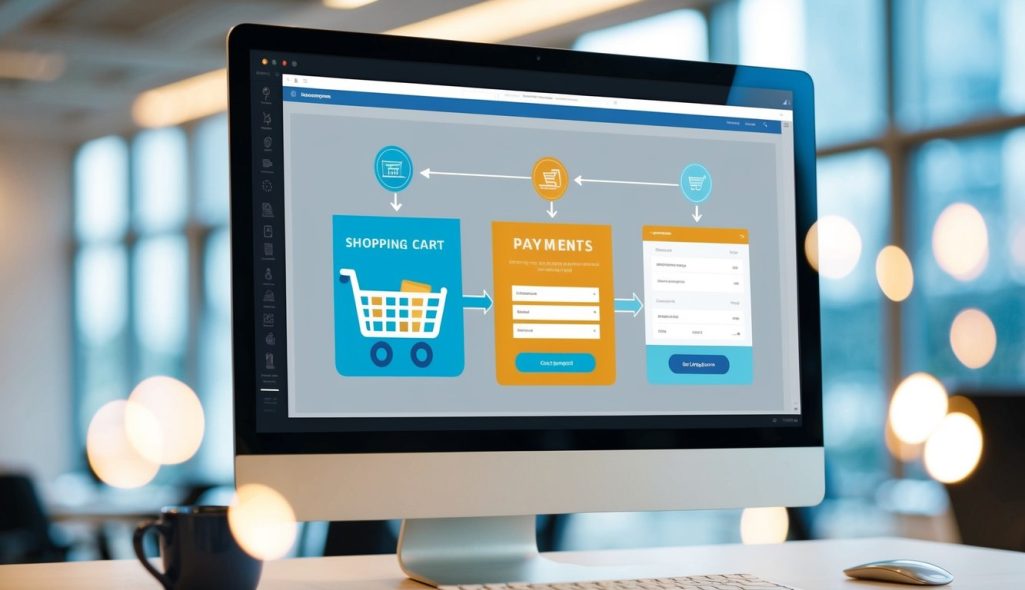
Understanding how each component of an ecommerce funnel works is crucial. Each stage plays a distinct role, from awareness to decision-making.
Using tried-and-true templates can simplify setting up your funnel, ensuring that you leverage best practices effectively. Tools like Shopify’s free sales funnel template can provide a strong foundation for your funnel, optimizing customer conversions on your ecommerce site.
As you refine your funnel, digital marketing channels become powerful allies. By analyzing funnel performance and making data-driven improvements, you can scale your business efficiently.
Resources like the eCommerce Funnel Best Practice and Templates offer insights into creating high-converting strategies. With continuous tweaking and learning, your ecommerce business can thrive in a competitive market.
Key Takeaways
- A solid ecommerce funnel template can increase conversion rates.
- Each funnel component is crucial for guiding buyers to a purchase.
- Leveraging digital marketing channels can optimize your funnel’s success.
Understanding Ecommerce Funnels
Ecommerce funnels guide potential customers from first learning about a product to making a purchase. By understanding the stages in this journey, you can improve customer experience and boost sales.
The AIDA Model
The AIDA model is a fundamental framework used in marketing to explain the stages a customer goes through in a buying process. AIDA stands for Awareness, Interest, Desire, and Action.
In the awareness stage, potential customers become familiar with your brand. This is often achieved through advertisements or social media content that grabs attention.

Next, the interest stage builds curiosity about a product or service. Here, targeted content helps engage customers and provides more information about what you offer.
Desire is the stage where you turn interest into a strong preference, often through testimonials, reviews, or demos that showcase the benefits of your products.
Finally, the action phase involves converting this desire into a purchase, encouraging customers to make a decision. Calls to action or limited-time offers often play key roles here.
Stages of an Ecommerce Funnel
An ecommerce funnel consists of various stages, each crucial for guiding a potential buyer from start to finish.
Awareness is the first stage, where you attract visitors to your site. This can be through social media marketing, SEO, or ads.
The next stage is consideration, where visitors evaluate if your product meets their needs. Here, it’s important to provide detailed information, such as product descriptions and FAQs.
Conversion is the third stage and involves transforming interest into sales. Effective strategies include easy checkout processes and attractive pricing.
Lastly, the retention stage focuses on turning one-time customers into repeat buyers. Techniques like email marketing and rewards programs help maintain a relationship after the initial sale.
Understanding these stages is crucial for creating a successful ecommerce funnel.
Importance of Funnel Optimization
Optimizing your ecommerce funnel is essential for maximizing conversions and revenue. This starts with analyzing each stage to pinpoint where potential customers are dropping off.
Tools like A/B testing and analytics platforms are vital for collecting data.
Improving website speed, enhancing product listings, and providing excellent customer service can significantly influence conversion rates. Making data-driven decisions helps in tailoring the funnel to meet customer needs effectively.
By focusing on retaining customers and attracting new ones, you can create an efficient sales journey. A well-optimized funnel not only increases sales but also improves customer satisfaction, ultimately leading to business growth.
Components of an Ecommerce Funnel
An ecommerce funnel is a structured system designed to guide potential customers toward making a purchase. It includes stages that address awareness, engagement, and retention, aiming to enhance both sales and customer loyalty.
Lead Generation and TOFU
At the Top of the Funnel (TOFU), your goal is to raise awareness and attract potential customers. This is where lead generation becomes crucial.
You should employ various strategies like social media campaigns, blog posts, and targeted ads to reach a broad audience. The aim is to capture interest and encourage prospects to engage with your brand.
Using engaging content that resonates with your target market helps in drawing them in. Incentives like free resources or discounts in exchange for email sign-ups can be effective.
Tools like landing pages can aid in capturing leads effectively. This stage is all about visibility and making sure that your message gets across to as many relevant people as possible.
Consideration and MOFU
In the Middle of the Funnel (MOFU), potential leads need more information to consider your products or services seriously. This stage involves educating your audience and fostering a relationship with them.
Providing detailed content like case studies, product comparisons, and customer testimonials can help in this phase.
Email marketing and retargeting ads play essential roles in keeping potential customers engaged. The goal is to nurture these leads and address any questions or objections they might have.
By doing so, you help prospects see the value in what you offer, moving them closer to making a purchase decision.
Conversion and BOFU
The Bottom of the Funnel (BOFU) is where conversion happens. Here, your prospects are ready to make a purchase, but they may need a final push.
Special offers, limited-time discounts, or bundled deals are effective tactics to close the sale. Clear calls-to-action on your product pages further guide the customer toward completing a purchase.
It’s crucial to eliminate any friction in the checkout process. Make sure payment options are clear and easy to use, and provide excellent customer support to answer any last-minute questions.
This stage is about sealing the deal and turning prospects into paying customers.
Customer Retention and Loyalty
After a sale, the focus shifts to retaining customers and building loyalty.
Implement strategies that keep your brand top-of-mind. This may include loyalty programs, personalized follow-ups, or exclusive access to new products and offers.
Customer retention efforts should also aim to turn satisfied buyers into repeat customers and brand advocates.
Collect feedback to improve your services and make customers feel valued. Long-term relationships are built through consistent value delivery and attentive customer service.
Building a High-Converting Ecommerce Funnel
To build a successful ecommerce funnel, focus on making compelling offers, creating strong calls-to-action, and using effective techniques for upselling and cross-selling. Reducing cart abandonment is also essential for improving conversion rates. Each of these areas can help turn prospects into paying customers more efficiently.
Creating Compelling Offers
A compelling offer is crucial in attracting potential customers. This involves understanding your audience’s needs and benefits they seek.
Highlight these benefits clearly and align them with your product features. Create urgency with time-limited promotions or exclusive deals, encouraging immediate action.
Consider using bundles to increase perceived value. For instance, offer two products at a reduced price compared to buying them separately. This not only appeals to budget-conscious shoppers but also maximizes conversion rates by increasing average order value.
Effective Calls-To-Action
Calls-to-action (CTAs) guide your audience towards making a purchase. They need to be clear, concise, and action-oriented.
Use strong verbs like “Buy Now,” “Get Yours Today,” or “Claim Your Discount” to prompt engagement.
Placement is key. Ensure your CTAs are highly visible on product pages and not buried in text. Use contrasting colors to make them stand out.
Testing different wordings and placements can help optimize their effectiveness. Additionally, tailor your CTA to match the customer’s position in the funnel for a personalized approach.
Upselling and Cross-Selling Techniques
These techniques are powerful for boosting sales. Upselling encourages customers to purchase a higher-end product than what they are considering, while cross-selling suggests complementary products.
For example, recommend a superior model of a printer they are viewing, or suggest printer ink when they add a printer to the cart.
Use product recommendations on your ecommerce site to highlight related items.
Timing is essential; present upsell and cross-sell opportunities at checkout when buyers are likely to add additional items. Keep suggestions relevant so they enhance the customer’s experience rather than causing frustration.
Reducing Cart Abandonment
Cart abandonment is a significant hurdle in converting potential sales.
Simplify the checkout process by minimizing the required information fields and offering guest checkout options. This reduces friction points that often cause shoppers to abandon their carts.
Send follow-up emails or notifications to remind customers of their abandoned carts. Include a clear reminder of the items left behind and consider offering a small discount to encourage completion of their purchase.
Using exit-intent pop-ups with targeted offers can also be effective in retaining customers before they leave your site.
Essential Sales Funnel Templates
When building an eCommerce sales funnel, it’s vital to use effective templates to guide potential customers. These templates capture leads, offer low-cost products, and introduce your main offerings.
Squeeze Page Funnel Template
A squeeze page funnel focuses on capturing visitor information, like email addresses, by offering something valuable in return. This can be a webinar, ebook, or cheat sheet.
The goal is to get contact details to follow up and nurture leads.
Design must be simple, with a clear call-to-action. Minimize distractions to ensure that visitors don’t get sidetracked. This funnel sets the foundation for effective lead generation and future marketing.
Tripwire Funnel Template
The tripwire funnel presents a low-cost product to new leads, encouraging them to make a small purchase. This boosts trust and makes future sales opportunities easier.
Pricing is key here; the product should be affordable but still perceived as valuable. Once customers make an initial purchase, they’re more likely to buy higher-ticket items. The strength of this template lies in moving individuals smoothly from interested prospects to paying customers.
Video Sales Letter Funnel Template
A video sales letter funnel uses engaging video content to convert prospects. It offers more in-depth information than standard text, which can help overcome objections and answer potential questions.
The video should capture attention quickly, with a focus on benefits and problem-solving aspects of your product. Including a convincing call-to-action is crucial. This template is particularly effective when selling mid to high-range products, as it builds a connection with the viewer.
Product Launch Funnel Template
The product launch funnel is designed for presenting new products to your audience. It typically uses a sequence of emails, videos, and other content, building anticipation before launch.
An effective product launch funnel can generate buzz and anticipation.
Timing is critical; release content that gradually reveals features and benefits. This funnel often includes early-bird specials or exclusive bonuses to encourage quick action from your audience. It’s a strategic way to amplify interest and drive initial sales momentum.
Leveraging Digital Marketing Channels
Leveraging digital channels is vital for driving sales and improving your ecommerce funnel. Using focused strategies in email marketing, social media, and advertising can enhance engagement and conversion rates.
Email Marketing Strategies
Email marketing is a powerful tool to nurture leads and convert them into customers.
Begin by segmenting your email list to deliver personalized messages. This increases open rates and engagement.
Use automation to send welcome emails, abandoned cart reminders, and post-purchase follow-ups. These strategies keep your brand at the top of your customers’ minds.
Including social proof like reviews or testimonials in emails can boost credibility and encourage purchases.
Regularly analyze performance metrics such as open and click-through rates. Make improvements based on this data.
Testing subject lines, content length, and design can also optimize results, ensuring your emails effectively guide recipients through your funnel.
Social Media and Influentials
Social media channels are crucial for reaching and engaging with a large audience. Platforms like Instagram and Facebook enable direct communication with potential customers. Engage with your audience through regular posts, live sessions, and interactive stories.
Collaborating with influencers can extend your reach and build trust. Influencers often have loyal followers who value their recommendations. Choose influencers whose audience aligns with your target market to maximize impact.
Utilize social proof by sharing user-generated content, testimonials, and reviews. This builds credibility and attracts new customers. Monitor engagement rates and adjust your strategy accordingly to maintain relevance and effectiveness.
Content Marketing Best Practices
Content marketing involves creating valuable content to attract and retain an audience. Start by identifying the needs and interests of your target customers.
Create blog posts, videos, and infographics that address those areas. Incorporate keywords related to your products to improve search engine visibility. This can drive organic traffic to your site.
Make sure your content includes clear calls to action, guiding readers toward the next steps in your ecommerce funnel.
Keep content fresh and update it regularly.
Analyzing metrics like time spent on page and conversion rates can help refine your content strategy. Focus on delivering informative and engaging content that aids in converting visitors into customers.
Facebook and Instagram Ads
Facebook and Instagram ads are effective in targeting specific demographics. Use these platforms to present tailored ads to potential customers based on their interests and behaviors.
Create engaging visuals and compelling copy that highlight your unique value proposition. Use remarketing to reach users who have interacted with your site but haven’t completed a purchase.
Regularly test different ad formats, such as carousel or video ads, to see what resonates most with your audience. Analyzing performance through metrics such as click-through rates and conversion rates can help optimize your ad spend and enhance the effectiveness of your campaigns.
Analyzing and Improving Funnel Performance
When refining your ecommerce funnel, focusing on specific metrics and techniques is essential. Evaluating conversion rates and using surveys can help enhance customer experience. Implementing the right tools will also streamline this process.
Key Performance Indicators (KPIs)
To improve funnel performance, tracking the right KPIs is crucial. Conversion rates are one of the most critical metrics because they directly show how well your funnel turns visitors into customers.
You can also track the average order value to see how much revenue each customer generates. Using a tool like Looker Studio, you can integrate data from various platforms to analyze these KPIs.
Keep an eye on bounce rates and cart abandonment rates, too. These indicators can reveal potential problems in the funnel stages.
A/B Testing for Optimized Conversions
A/B testing is a powerful method for finding what works best in your funnel. By comparing different versions of a sales letter funnel template or landing page, you can see which version leads to more conversions.
Focus on one element at a time, such as headlines or call-to-action buttons. Use clear goals to measure success, like improved conversion rates. Analyze the results to make data-driven decisions. Consistent testing can significantly boost your funnel’s effectiveness.
Customer Feedback and Surveys
Gathering customer feedback is key to understanding their experience and improving funnel performance. Use surveys to ask customers about their journey through the funnel. Questions about what they found helpful or confusing can provide valuable insights.
Collecting testimonials can also highlight areas where the customer experience excels or needs improvement. Implement changes based on feedback to address any issues identified. Satisfied customers are more likely to return and recommend your brand to others.
Tools and Software for Funnel Analysis
Leveraging the right tools can simplify ecommerce funnel analysis. Use platforms like Looker Studio to merge data from CRMs and ad platforms. This integration helps you visualize your funnel’s performance across different channels.
Explore other funnel analysis tools to track KPIs and conversion rates efficiently. These tools often offer real-time data and insights, which can aid in making quick adjustments. Having the right software in place streamlines the optimization process and improves decision-making.
Scaling Your Ecommerce Business
Growing your ecommerce business requires smart strategies tailored to boost performance. Leverage technology and automation to streamline your processes and expand efficiently. Managing different sales channels can propel your business forward by reaching more customers and increasing your customer lifetime value.
Strategies for Growth
To effectively scale your business, focus on growth strategies that increase customer retention. One approach is to improve the customer lifetime value by encouraging repeat purchases. Implement reward programs or offer exclusive promotions to motivate customers to return.
Consider expanding your product line. Introduce similar products or expand product offerings that complement your current inventory to attract a wider audience.
Using SEO and content marketing can drive more traffic to your site, increasing your chances of creating a high-converting sales funnel. Consistently analyze performance metrics to identify areas for improvement and capitalize on successful tactics.
Automation in the Sales Funnel
Automation can play a vital role in streamlining your sales process, giving you time to focus on higher-level business strategies. Utilizing SaaS tools to automate tasks like email marketing, customer follow-ups, and inventory management can ease operational burdens.
It’s crucial to maintain personal touchpoints with customers even through these automated processes to build strong relationships.
Implement automation for lead nurturing and converting prospects. These tools can facilitate targeted marketing efforts based on customer behavior, improving conversion rates. Use data-driven insights from automated systems to continually refine your sales funnel and stay competitive.
Managing Multiple Accounts and Marketplaces
Expanding to multiple accounts and marketplaces allows you to reach a broader customer base. Each platform may require different strategies and maintenance to ensure optimal performance.
Utilize management tools to oversee each account efficiently, facilitating easier updates and ensuring consistent messaging.
You must track sales data across channels to identify best-performing products and adapt strategies accordingly. Balancing diverse platforms requires vigilance, but it can significantly enhance your repeat purchase rate and overall sales. Offering online courses or virtual consultations on certain platforms may also help engage more customers, providing value beyond just the product.
Advanced Ecommerce Funnel Tactics
Enhancing an ecommerce sales funnel requires understanding your audience, utilizing hidden strategies, and effectively managing customer relationships. These approaches can significantly boost your conversion rates and customer satisfaction.
Crafting Buyer Personas
Developing accurate buyer personas is vital to tailoring your ecommerce sales funnel. A buyer persona represents the ideal customer based on market research and real data. It includes details like demographics, interests, and purchasing behaviors. This helps you create targeted content at each funnel stage, ensuring your message resonates.
To build these personas, gather data from surveys, interviews, and customer interactions. Analyze this data to identify patterns in how different customer segments behave. Use these insights to customize your product offerings, marketing messages, and even the design of your squeeze page funnels.
Exclusive and Invisible Funnels
Implementing exclusive or invisible funnel templates can entice customers by creating a sense of mystery and urgency. An invisible funnel often hides the final offer behind a series of micro-commitments, increasing engagement and minimizing sales resistance. This strategy works well when you combine it with a tailored landing page.
Experiment with limited-time offers or exclusive content. Inform certain customer segments about upcoming exclusive events via personalized emails or landing pages. This can increase trust, encourage exploration, and guide them towards the final purchase decision.
Integrating with CRM Systems
Integrating your sales funnel with CRM systems helps maintain strong customer relations. CRM tools track interactions, manage customer data, and facilitate targeted marketing campaigns.
By connecting these systems, you can better understand customer needs and craft personalized experiences.
Utilize CRM software to track where each customer is in the funnel and what content they interact with. Use this information to send personalized follow-ups or promotional offers that match their interests. This level of personalization can significantly improve your conversion rates and foster long-term customer loyalty. Incorporating CRM strategies ensures that your marketing and sales efforts are cohesive and responsive to customer behaviors.
Where can I find editable sales funnel templates suitable for ecommerce?
You can find customizable sales funnel templates on platforms like Canva and other design sites. These templates can be modified to reflect your brand and meet your business needs, ensuring a professional presentation of your ecommerce funnel.