

A B2C sales funnel is crucial for guiding potential customers from the moment they first become aware of your brand to the final purchase decision. This streamlined process helps businesses engage and convert leads effectively, ensuring a steady flow of customers. Understanding the stages of this funnel can help you craft strategies that resonate with consumers and encourage purchases.
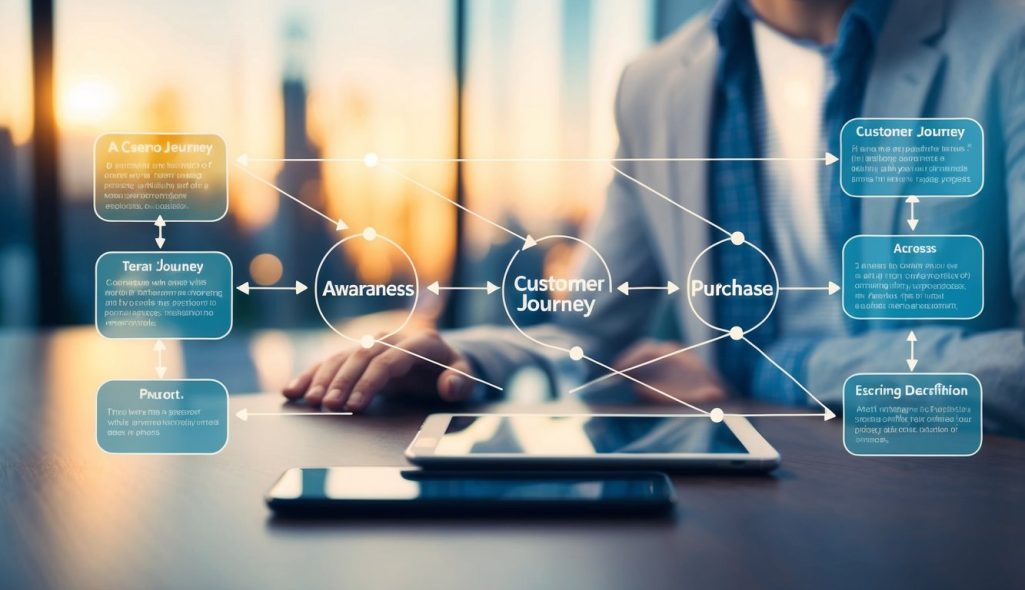
You need to focus on creating a journey that aligns with your target audience’s expectations and needs. Capturing attention and maintaining interest requires a well-thought-out approach that builds trust and provides significant value.
By effectively mapping out the customer journey, you maximize engagement and improve the chances of closing sales.
Successful B2C sales funnels rely on clear communication and strategic optimization of your marketing channels. Knowing how to nurture leads and design user-friendly experiences makes it easier to drive conversions. Evaluating and adjusting your sales funnel continuously helps enhance the customer experience and foster loyalty.
Key Takeaways
- B2C sales funnels guide potential customers from awareness to purchase.
- Understanding your audience and optimizing marketing channels is vital.
- Continuous evaluation enhances customer experience and loyalty.
Understanding the B2C Sales Funnel
In the B2C sales funnel, you guide consumers through stages from awareness to purchase. Unlike B2B funnels, which may involve complex decision-making, B2C funnels focus on quick decisions driven by individual needs.
Stages of the B2C Sales Funnel
The B2C sales funnel consists of several essential stages.
First is the Awareness Stage, where potential customers learn about your product or service. This is crucial for attracting attention and sparking initial interest.
Next, comes the Interest Stage, where consumers begin to consider how your offering fits their needs. Providing detailed information and engaging content is vital here.
Following this, the Consideration Stage involves customers comparing options. This is your chance to emphasize unique benefits and build trust with potential buyers.
Finally, the Purchase Stage is where the decision to buy takes place. Simplifying the buying process and offering incentives, like discounts, can reduce friction at this stage.
Differences Between B2B and B2C Sales Funnels
B2C sales funnels differ significantly from B2B funnels in several ways. The decision-making process in B2C is often faster because it typically involves just one consumer rather than multiple stakeholders.
While B2B sales cycles can be lengthy and complex, the B2C funnel is usually shorter. This is due to consumers making quicker, more emotional purchases.
Additionally, B2C customers often engage with products through different channels like social media and online ads. In contrast, B2B buyers rely more on detailed information, presentations, or consultations. Understanding these differences helps in tailoring strategies for each market effectively.
Building a Target Audience and Increasing Brand Awareness
To effectively market a B2C product, you need to know who your ideal customers are and how to capture their attention. This involves crafting a clear image of who you’re trying to reach and using specific strategies to raise your brand’s profile.
Identifying Your Ideal Customer
Understanding your ideal customer starts with creating detailed buyer personas. These personas are fictional but data-driven profiles of your target audience. Consider their age, interests, buying behavior, and pain points. Tools like surveys and customer feedback can provide valuable insights.
List potential issues your audience might face and tailor your solutions to them. This approach helps in shaping the messaging that resonates deeply, guiding your overall content marketing strategy. Also, keep an eye on market trends and adjust your personas accordingly to ensure they remain relevant.
Content Strategies for Brand Visibility
Once you know your audience, increasing brand awareness relies on using content marketing and SEO strategies.
Quality content is important for establishing authority. Share helpful articles, videos, or infographics that address your audience’s needs.
Optimize all content for search engines by using relevant keywords.
Social media marketing also plays a huge role. Platforms like Instagram or Facebook can amplify your reach. Engage with your audience through regular posts and interactive content. Use these tactics to maintain visibility and emphasize your brand message consistently across different channels.
Optimizing Marketing Channels
Maximizing the effectiveness of your marketing channels involves strategic use of email campaigns and social media platforms. By focusing on engagement and lead generation, you can enhance conversion rates and grow your customer base effectively.
Email Marketing Campaigns for Engagement
Email marketing is a direct way to reach your audience. You can craft personalized content to connect with your customers. Personalized emails improve engagement and build long-term relationships.
Use A/B testing to find messages that resonate with your subscribers. This approach helps refine subject lines, content, and calls to action.
Consider segmenting your email list. Send tailored offers or information to specific groups, enhancing relevance and boosting open rates.
Tracking open and click-through rates helps identify successful strategies and areas needing improvement. Consistent email marketing keeps your brand in mind for potential customers.
Leveraging Social Media for Lead Generation
Social media marketing offers a broad platform to connect with potential customers. Use platforms like Facebook, LinkedIn, and Instagram to engage and generate leads.
Create compelling content that encourages sharing and interaction, expanding reach.
Paid social media ads help target specific demographics, driving efficient lead generation. Utilize interactive content such as polls, quizzes, and live videos to engage users.
Social listening tools can track when your brand is mentioned, allowing you to engage with potential leads actively. Implement consistent posting schedules to maintain visibility and keep your audience engaged.
Lead Generation and Nurturing
In B2C sales, capturing potential customers’ interest and guiding them through the buying process is crucial. This involves attracting qualified leads and nurturing those relationships with effective marketing strategies.
Strategies to Attract Qualified Leads
Attracting the right leads begins with understanding your target audience. Use targeted advertising and social media campaigns to reach individuals most likely interested in your product. Eye-catching headlines and visuals can capture attention quickly.
Offering free trials or discounts can incentivize new customers to try your product, increasing lead engagement.
Leverage search engine optimization (SEO) to enhance visibility. Optimize your website content with relevant keywords to improve search rankings.
Using pop-ups with compelling offers can also guide visitors down the sales funnel, encouraging them to share their contact information for further engagement.
Nurturing Leads with Marketing Materials
Once you’ve attracted leads, the next step is to nurture them effectively. Provide valuable information through newsletters, blog posts, and social media updates. This helps in building trust and keeping your brand top-of-mind.
Create marketing materials that address common questions and pain points to demonstrate your understanding of customer needs.
Segment your leads based on their interests or behaviors. Tailor your communication to align with these segments, ensuring relevant messaging.
Automated email campaigns can help keep interactions consistent and timely. By carefully nurturing leads, you can gradually move them closer to making a purchase decision, ultimately enhancing your sales process.
Designing Customer Journeys for Enhanced User Experience
Creating an effective customer journey is vital for boosting user experience and increasing conversion rates. A well-designed journey can lead to more repeat purchases, as customers find satisfaction in the process.
By focusing on mapping and testing, you can ensure a seamless experience that enhances customer loyalty.
Mapping the Buyer’s Journey
Start with mapping the buyer’s journey. This involves understanding all the touchpoints that potential customers encounter.
Picture your customer’s path from discovering your product to making a purchase. Consider emotions, needs, and possible pain points along this path.
A customer journey map is useful here. It serves as a visual tool that helps you see what your customers experience at each stage. This map reveals areas for improvement and allows you to focus on providing solutions that remove friction in the buying process.
By aligning your business goals with customers’ needs, you create a more engaging user experience. Prioritizing user satisfaction can lead to higher conversion rates as users feel understood and valued throughout their journey.
Improving User Experience through Testing
Testing is crucial for enhancing user experience. Implement A/B testing to compare different versions of your customer journey elements.
This testing can show which version performs better in terms of user engagement and conversion rates.
Focus on key areas such as website layout, design changes, and user interface modifications. Regular testing helps identify what resonates with your audience, leading to better decision-making.
With each test, gather data about user behavior to refine the journey further.
Improving the user experience through testing can increase repeat purchases. As customers find the process smooth and enjoyable, they are more likely to return. A strategic testing approach leads to a customer journey that consistently meets user expectations.
Conversion Rate Optimization Strategies
Boosting the conversion rate of your B2C sales funnel involves optimizing your landing pages and crafting effective calls to action. These strategies help in guiding potential customers through the sales cycle, ultimately influencing their purchase decision.
Creating High-Converting Landing Pages
A landing page is crucial for converting visitors into customers. To make it effective, start by focusing on simplicity and clarity. Your message should be clear and align with your overall sales strategy.
Use compelling headlines that grab attention immediately.
Incorporate visual elements like images or videos to make the page more engaging. Keep forms short and only ask for necessary information to avoid overwhelming the visitor.
Utilize testimonials or reviews as social proof to build trust and credibility.
Another strategy is to perform A/B testing. By testing different versions of your page, you can discover what resonates best with your audience.
Tracking metrics like bounce rate and conversion rate will help you refine your approach over time.
Effective Call-to-Action Techniques
A strong call-to-action (CTA) is vital in leading potential buyers down the conversion funnel. Use action-oriented language that encourages an immediate response.
Phrases like “Get Started Now” or “Claim Your Offer” motivate users to take action.
Place CTAs strategically on your page. They should be prominently visible without disrupting the user experience.
Consider using bold colors and contrasting designs to make them stand out.
CTAs should convey urgency. Words like “limited time” or “exclusive offer” can prompt quicker decisions.
Ensure that the offer is clear, so there’s no confusion about what happens next in the sales cycle.
Combine these strategies to improve your conversion rates and effectively guide potential customers through their purchase journey.
Enhancing Sales Cycles and Closing Sales
Enhancing your B2C sales involves both shortening the time a customer takes to make a purchase and effectively closing the sale. Optimizing these areas can lead to better customer satisfaction and increased sales.
Shortening the Sales Cycle
To reduce the sales cycle length, focus on streamlining the sales process. This can involve creating a clear path for the customer, minimizing any barriers to the purchase decision.
Offer multiple payment options to ensure convenience. Using data to understand customer behavior helps tailor a sales strategy that addresses their specific needs.
Automation tools can be useful in managing tasks like sending follow-up emails or reminders. By doing this, you keep potential customers engaged without spending too much time on manual tasks. This approach not only saves time but also enhances the experience for the customer.
Techniques for Closing Sales
Closing sales might require a strategic approach depending on the purchase process. An effective technique is to highlight the product’s benefits and how it solves a specific problem for the customer.
Ensuring you’re available to answer any questions speeds up the purchase decision.
A limited-time offer or special discount can create urgency and encourage customers to finalize their purchase. Offering excellent post-purchase support can also reassure customers that they are making a smart investment.
Consistent, clear communication ensures that customers feel valued and ready to complete the sale.
Leveraging CRM Systems for Sales Funnel Management
Using CRM systems can significantly enhance the management of sales funnels. These systems offer robust tools for tracking customer interactions and communication, making them essential for improving your sales cycle and customer service.
Integrating CRM for Tracking and Analytics
A CRM system is crucial for monitoring each stage of your sales pipeline. Integrating CRM allows you to track customer behavior, manage leads, and score potential sales. This helps in understanding which stages are effective and where improvements are needed.
By integrating CRM, you can track customer behavior, manage leads, and score potential sales. This helps in understanding which stages are effective and where improvements are needed.
By capturing data from various sources like emails, phone calls, and social media interactions, you get a comprehensive view of the customer journey. An effective CRM solution also provides analytics to help spot trends and forecast future sales. This detailed tracking ensures that you can respond swiftly to customer needs and streamline your sales strategy.
CRM Strategies for Effective Communication
Communication is key in building strong customer relationships. CRM strategies can refine this communication by organizing and automating interactions during the sales cycle. Use CRM to send personalized messages and schedule follow-ups, ensuring timely engagement with customers.
CRM strategies can refine this communication by organizing and automating interactions during the sales cycle. Use CRM to send personalized messages and schedule follow-ups, ensuring timely engagement with customers.
Automated responses and alerts keep your customers informed and engaged without overwhelming your team. It also helps in resolving customer issues more efficiently, thereby enhancing customer service. With the right CRM tools, you can tailor your communication to meet the needs and preferences of each customer, improving both retention and satisfaction.
Building Customer Loyalty and Encouraging Repeat Purchases
Building customer loyalty and encouraging repeat purchases are essential for business success. Implementing effective loyalty programs and using strategic approaches can increase the likelihood of customers returning to shop with you again. This can lead to more sustained growth and improved customer relationships.
Implementing Loyalty Programs
Loyalty programs are a powerful way to build a strong relationship with your customers. By offering rewards, such as discounts, exclusive access, or special offers, you create incentives for repeat purchases. A well-designed program keeps your customers engaged and encourages them to choose your business over competitors.
Loyalty programs are a powerful way to build a strong relationship with your customers. By offering rewards, such as discounts, exclusive access, or special offers, you create incentives for repeat purchases. A well-designed program keeps your customers engaged and encourages them to choose your business over competitors.
Consider setting up a tiered system where customers can earn points for each purchase. This not only rewards them but also gives them a goal to work towards. Another option is offering a referral bonus, which not only gains new customers but also rewards existing ones for bringing in friends.
Additionally, gathering feedback from loyal customers through surveys or customer testimonials can help refine and improve the program. For more insights on loyalty programs, check resources like Loyalty Surf for different strategies.
Strategies for Encouraging Repeat Business
To encourage repeat business, it’s important to create a personalized experience for your customers. Tailoring offers and communication based on their purchasing history can make them feel valued and understood. Personalized emails and product recommendations can significantly enhance their shopping experience.
Implementing exceptional customer service is another key strategy. Quick response times, helpful support, and resolving issues efficiently all contribute to a positive brand perception. Customers are more likely to return when they feel their needs are met swiftly and successfully.
Maintaining an active presence with engaging content and updates keeps your brand in their minds. Offering exclusive discounts or early access to sales as a surprise can create a sense of belonging and motivation to continue shopping. To explore more strategies, visit Forbes’ article.
Evaluating and Enhancing Post-Purchase Experience
To boost customer loyalty, it’s important to focus on gathering feedback and providing detailed product information and support. This can improve the customer journey and lead to better retention.
Gathering and Utilizing Customer Feedback
Obtaining customer feedback is essential for understanding the post-purchase experience. Encourage customers to leave testimonials or reviews, which can offer valuable insights into their satisfaction levels. You can gather feedback through surveys, emails, or direct calls.
Listening to your customers helps identify areas for improvement and lets you make changes that enhance the customer experience. It’s important to act on the feedback you receive. Implement changes or updates based on common suggestions and let customers know how their input has influenced the service.
Providing Comprehensive Product Information and Support
Support doesn’t end after a purchase. Providing thorough product information ensures customers understand how to use a product effectively. Offer guides, FAQs, and video tutorials to assist in product setup and usage. This information can preemptively address common questions or issues.
Efficient customer service is crucial. Make support easy to access through multiple channels like chat, email, or phone. Be sure your team is well-informed and ready to help with any inquiries or problems customers might face. This proactive approach can significantly enhance the overall customer service experience.
Frequently Asked Questions
In this section, explore key differences between B2C and B2B sales funnels, stages of a successful B2C funnel, and effective strategies. Understand content marketing’s role and discover tips for optimizing a B2C funnel for higher conversions.
How does a B2C sales funnel differ from a B2B sales funnel?
A B2C sales funnel typically focuses on individual consumers and often has a shorter decision-making process. B2B sales funnels, on the other hand, involve longer sales cycles since they target businesses and may require approval from multiple decision-makers. The emotional appeal is more prominent in B2C marketing.
What are the key stages of a successful B2C sales funnel?
A successful B2C sales funnel usually consists of three main stages: Awareness, Consideration, and Purchase. In the Awareness stage, potential customers learn about the product. The Consideration stage involves evaluating the product’s benefits. Finally, the Purchase stage aims to convert this interest into a sale.
Can you provide examples of effective B2C sales funnel strategies?
One effective strategy is targeting advertisements, such as those used by companies selling mountain bikes, to specific interest groups on platforms like Facebook. Another strategy is using email marketing campaigns that nurture leads through personalized offers and follow-up messages, encouraging them to proceed through the funnel.
What role does content marketing play in the B2C sales funnel?
Content marketing is crucial in guiding potential customers through the funnel stages. It builds awareness through informative and engaging content that captivates the audience. High-quality content also helps in the Consideration stage by educating prospects and answering their questions, thereby increasing trust and likelihood of purchase.
How can a B2C sales funnel be optimized for higher conversions?
To optimize a B2C sales funnel for better conversions, analyze customer data to understand preferences and behaviors. This can help personalize offers and communication. Streamlining the purchasing process by making it easy and seamless for consumers can also lead to higher conversion rates.
What metrics are important to measure the success of a B2C sales funnel?
Key metrics include conversion rate, which shows the percentage of visitors who become customers, and customer acquisition cost, which indicates the expense involved in gaining a new customer.
You should also monitor the time spent at each funnel stage. This can help identify bottlenecks and areas for improvement.


