

Finding an effective sales funnel template can revolutionize the way you manage your sales process and engage with potential customers. A well-designed funnel guides prospects from the awareness stage to the final purchase decision, optimizing for conversions at every step. By using a free sales funnel template, you can streamline your workflow, forecast revenue, and identify areas that need improvement without any financial investment.
There are many resources offering free and customizable sales funnel templates that suit different business needs. Whether you prefer to work in Excel, Google Sheets, or other digital platforms, these tools can help you stay organized. This makes it easier for your team to collaborate and implement advanced strategies effectively, allowing your business to thrive.
Incorporating a CRM system alongside these templates further enhances your sales success by automating tasks and providing real-time insights. An integrated approach not only improves efficiency but also ensures that you are always one step ahead in understanding and meeting customer needs.
Understanding Sales Funnels
Sales funnels guide potential customers through a journey, turning them from strangers into paying customers. They help streamline the sales process, making it easier to convert leads. Here’s a breakdown of how sales funnels work and why they are essential.
What is a Sales Funnel?
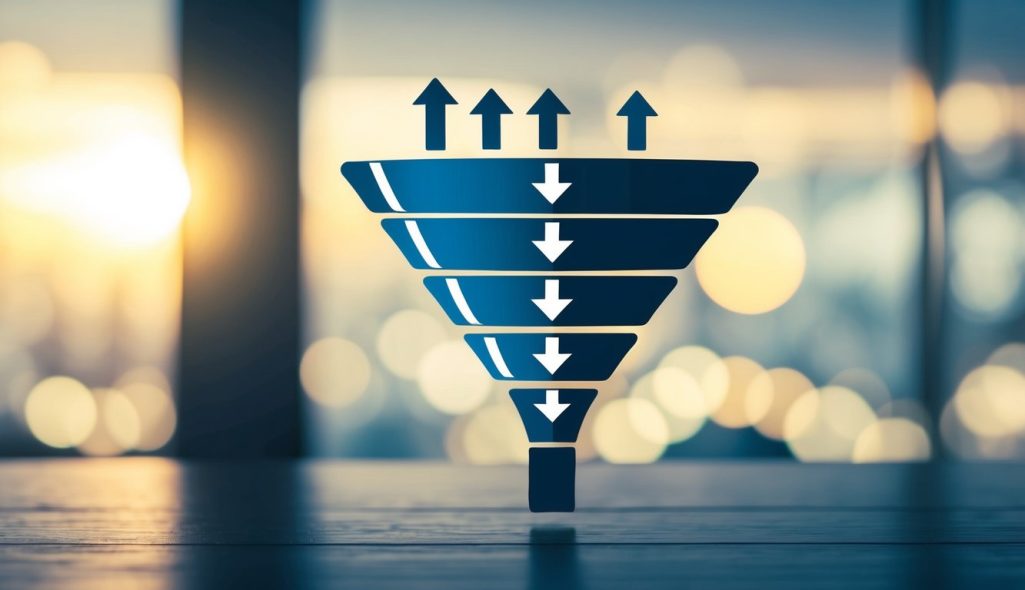
A sales funnel is a model that shows the steps a customer takes before buying a product or service. It’s shaped like a funnel because it starts with many prospects at the top and narrows down to those who make a purchase at the bottom. The simplest way to picture this is through stages like awareness, interest, desire, and action. At the top of the funnel, you attract a wide audience. As they move down, only a fraction will make it through to the bottom. This model helps you focus on maintaining customer interest and providing solutions to their needs.
The Importance of Sales Funnels
Sales funnels are vital because they help you understand where your leads are in the buying process. With a funnel, you can target your marketing efforts to push leads through from stage to stage. By having a clear sales funnel, you can increase conversions, optimize customer interactions, and make your marketing more efficient. This structure helps you pinpoint what works and where to improve. By analyzing each stage, you can tailor your approach to meet the needs of your audience, ensuring that each step is optimized to move them closer to making a purchase.
Sales Funnel Stages
Each sales funnel has different stages, commonly known as the top, middle, and bottom. At the top of the funnel, you create awareness through ads or blog posts to get people interested. The middle of the funnel involves engaging these leads and building their interest. This is often done with content that educates or solves problems. Finally, the bottom of the funnel is where the lead feels the desire and takes action, such as making a purchase or signing up for a demo. Understanding each stage can help you design a funnel that effectively converts and retains customers.
Designing Your Sales Funnel
When designing your sales funnel, focus on capturing leads effectively and guiding them through the customer journey. Utilize strategies like creating compelling landing pages and providing valuable lead magnets to attract potential customers.

Lead Generation Fundamentals
Lead generation is a crucial part of designing your sales funnel. To start, identify your target audience and use platforms such as social media or a blog to reach them. Building a strong customer journey involves creating value through content and advertising that speaks directly to their needs.
You can diversify your methods by employing email campaigns, social media ads, and search engine marketing. These tactics not only boost visibility but also attract the right potential customers to your funnel. Tracking metrics like conversion rates and engagement will help refine your approach and make lead generation a more targeted process.
Creating Effective Landing Pages
Landing pages serve as the entry point for potential customers in your funnel. They should be designed to capture attention and encourage action. Focus on using a clean, simple layout that gets your message across clearly. Key elements include a bold headline, persuasive copy, and a strong call-to-action (CTA).
Use visuals like images or videos to enhance engagement, and ensure your landing pages load quickly on all devices. A/B testing various elements, such as button colors or copy, can also reveal what works best. An optimized landing page will not only boost conversions but also offer a seamless part of your customer journey.
Utilizing Lead Magnets
Lead magnets are essential tools for enticing visitors to engage with your funnel. Offer something valuable like a free eBook, checklist, or access to exclusive content. This approach incentivizes potential customers to provide their contact information.
Your lead magnets should align with your target audience’s needs and be positioned prominently on your site or landing pages. Keep the opt-in process simple to increase sign-ups. By delivering high-quality, relevant content, you will build trust and establish credibility, paving the way for future engagement.
Leveraging CRM for Sales Success
Using CRM tools can transform how you manage customer relations and boost your sales outcomes. By organizing customer data and optimizing your sales pipeline, these systems are essential for enhancing productivity in sales.
Customer Data Management
Customer Relationship Management (CRM) systems are great for handling customer data efficiently. They let you store, access, and update information about your customers easily. Having centralized data means you can track interactions and preferences, leading to more personalized service.
Using custom fields, you can capture specific data that matters to your business. This flexibility helps you meet unique customer needs. Plus, CRMs often integrate with other tools, making it simple to combine data from various sources like emails and social media.
Sales Pipeline Optimization
A CRM is crucial for streamlining your sales pipeline. You can track leads, set reminders, and automate follow-ups. This visibility ensures no leads slip through the cracks. With a CRM, you can identify bottlenecks and make informed decisions to improve the flow of your sales process.
Salesflare is an example of a CRM that provides seamless pipeline management, helping you prioritize leads and focus on high-value opportunities. By monitoring progress and outcomes at each stage, you can adjust strategies quickly, ensuring you meet sales targets efficiently.
Enhancing Productivity with CRM
Boosting productivity is one of the main benefits of using a CRM. These systems automate repetitive tasks, allowing you to focus on building relationships instead. Features like automated emails and reminders mean less manual work and fewer chances of missing key tasks.
Integrating tools like HubSpot CRM can further enhance productivity by connecting with platforms you already use. Real-time collaboration features enable team members to work together effectively, ensuring everyone stays updated with the latest customer information.
Email Marketing in Sales Funnels
Email marketing is a vital part of sales funnels. It helps you reach potential customers, improve conversions, and nurture leads into buyers. By tailoring your email strategies, you can increase your chances of success.
Crafting Targeted Email Campaigns
Creating targeted email campaigns requires a clear focus on your audience’s needs. You should segment your email list based on demographics, behaviors, or interests. This allows you to send personalized messages that resonate with each group. A/B testing is useful here, as it helps you understand which messages work best.
Design emails with attention-grabbing subject lines and engaging content. Use visuals and concise language to make your emails more appealing. Don’t forget a clear call-to-action that guides the reader on what to do next. These elements are crucial in crafting emails that capture attention and drive results.
Improving Conversion Rates Through Emails
To boost your conversion rates, you should ensure that each email has a clear purpose. Highlight the benefits of your products or services, addressing any pain points the readers might have. Including testimonials and reviews can build trust and encourage readers to take action.
Using automation helps you send timely follow-ups, ensuring no unqualified lead slips through the cracks. Schedule emails to be sent after specific actions, like signing up for a newsletter. Also, track metrics such as open rates, click-through rates, and conversions to refine your strategy.
By continuously analyzing these metrics, you can adjust your approach, leading to higher conversion rates.
Nurturing Leads to Sales with Email
Email is a powerful tool for nurturing leads through the sales process. Engage your leads with content that educates them about your products or services. This can include guides, tutorials, or case studies that show real-life benefits.
Use a sequence of emails to guide them from interest to decision. Transition unqualified leads into paying customers by addressing their concerns and providing solutions. The goal is to build trust over time, encouraging leads to make a purchase.
Finally, offer special deals or discounts to entice leads to take the final step. This method helps to create lasting relationships with your customers, fostering loyalty and repeat business.
Free Sales Funnel Templates
Free sales funnel templates can help streamline your sales process. They offer ready-made frameworks to enhance organization, efficiency, and lead conversion. Let’s look at the benefits of using these templates, how you can customize them, and some examples that have high conversion rates.
Benefits of Using Templates
Using sales funnel templates can save you time. With pre-designed structures, you don’t need to start from scratch. This can be particularly helpful if you’re new to funnel building. Templates are often designed based on successful strategies, which can improve your lead conversion rates.
They also help you maintain consistency in your sales approach. Having a set framework allows your team to follow the same steps, making it easier to track results and make adjustments.
With templates, you can quickly make data-driven decisions. Many templates come with built-in metrics that let you see how each stage of your funnel is performing. This data can help you tweak your strategy, boosting efficiency and effectiveness without the guesswork.
Customizing Templates for Your Business
Each business is unique, so customizing your sales funnel templates is essential. You can add or remove stages to better match your sales process. Consider what works best for your industry and target audience. For instance, some companies might need an extra stage for nurturing leads, while others may focus more on closing deals quickly.
Visual elements like colors and graphics can be tailored to fit your brand’s identity. Make sure the language and tone align with your company’s voice. This personalization helps build trust with your audience by maintaining a consistent brand experience.
You can integrate your templates with tools you already use, like Customer Relationship Management (CRM) systems. This can automate parts of your sales process, saving time and reducing the likelihood of human error. Some templates, like those available for Excel and Google Sheets, offer flexibility in customization without needing more complex software.
Examples of High-Converting Sales Funnel Templates
There are many high-converting sales funnel templates available. The Salesflare template allows you to track metrics and customize stages. It’s designed for efficiency, keeping you from losing deals to faulty processes.
ClickFunnels offers over 100 free templates that are pre-designed for optimal conversions. They show which funnels work best for different businesses, easing the decision-making process.
The Dream Digital Marketing templates are built for automation, helping you generate leads around the clock. They come ready to import into ClickFunnels, offering convenient customization and editing options.
Optimizing for Conversion
Improving your sales funnel can lead to higher conversion rates and better sales performance. Focusing on precise testing, meaningful content, and effective strategies will enhance each stage of the buyer’s journey, ultimately influencing the purchase decision.
Testing and Measuring Sales Funnel Performance
To boost your sales funnel’s effectiveness, start by testing and measuring performance. Regularly conduct A/B tests on different funnel stages, such as landing pages or email campaigns. This helps you identify what resonates with your audience.
Utilize analytics tools to track key metrics like conversion rates and time spent on pages. Be sure to analyze these metrics over time to spot trends and areas for improvement.
Adjusting elements like call-to-action buttons or page layouts based on data insights can lead to more informed decisions and better results.
The Role of Content in Conversions
Content plays a critical role in guiding potential customers through your sales funnel. Craft compelling and relevant content that speaks directly to the needs and interests of your audience.
Use engaging content at each stage of the buyer’s journey to nurture leads and build trust. For instance, blog posts and videos in the awareness stage can draw attention, while detailed guides or case studies in the decision stage can help finalize the purchase decision.
Personalized content can enhance engagement, leading to higher conversion rates and a more successful marketing campaign.
Conversion Rate Optimization Strategies
Implementing effective conversion rate optimization (CRO) strategies can significantly improve sales performance. Start with clear and strong calls to action on each page of your funnel.
Simplify your site navigation to reduce friction and make it easier for users to complete desired actions. Build trust with testimonials or customer reviews.
Optimizing load times and ensuring mobile responsiveness are important technical aspects. Consider offering limited-time promotions to create a sense of urgency.
Regularly refining these elements helps maintain an efficient funnel that guides your audience smoothly toward the final purchase decision.
Advanced Sales Funnel Strategies
Advanced sales funnel strategies can enhance your ability to manage and optimize the sales process. By focusing on integrating SaaS solutions, improving forecasting, and fostering team collaboration, you can drive better outcomes and achieve sales success.
Integrating SaaS Sales Funnels
Utilizing a SaaS sales funnel can streamline your sales process. SaaS tools offer features like automated customer tracking, personalized engagement, and efficient lead management.
These tools help you maintain organized and structured funnels, which can lead to enhanced conversion rates.
Consider integrating marketing strategies that utilize data analytics. This approach allows you to tailor your offerings based on customer behavior and preferences.
By analyzing patterns, you can predict buyer needs and adjust accordingly. SaaS solutions also facilitate smoother customer onboarding, making it easier for prospects to transition into paying clients.
Forecasting and Enterprise Sales Funnel Management
Effective forecasting is vital in managing an enterprise sales funnel. Accurate forecasts allow you to anticipate sales trends, adjust strategies, and allocate resources wisely.
Use historical data and predictive analytics to better understand future demands.
Incorporate advanced CRM systems to track metrics like conversion rates and sales cycle lengths. This data helps in refining your funnel stages and improving decision-making.
Managing an enterprise funnel involves aligning teams across departments to ensure unified strategies. Clear communication and shared goals within your team can drive efficient sales processes.
Team Collaboration in the Sales Process
Successful sales strategies depend on strong team collaboration. Involving your marketing, sales, and customer service teams ensures a cohesive approach to managing leads.
Each team member plays a crucial role from the initial lead generation to closing the sale.
Use collaborative tools to encourage constant communication and idea sharing. Regular meetings and updates can help identify potential obstacles early on.
With everyone working toward common objectives, processes become smoother, and sales success increases.
Encourage feedback and suggestions from your team. This open dialogue fosters innovation and improvement, keeping your sales strategies fresh and adaptive. In a collaborative environment, everyone contributes to the growth and effectiveness of the sales funnel.
Frequently Asked Questions
Creating a sales funnel involves several steps and can be made easy using free tools and templates. Below, you’ll find answers to common questions about building and customizing sales funnels without spending money.
How do I create a sales funnel from scratch for free?
To create a sales funnel from scratch, you can use free resources and tools available online. Start by identifying your target audience and defining clear goals.
You can use platforms like UpLead for templates and guidance.
What are the best practices for designing a sales funnel template in Excel?
When designing a sales funnel template in Excel, keep it simple and clear. Use separate sheets for different stages of the funnel, like awareness, interest, and conversion.
Visual aids like charts can help make the data more understandable.
Is it possible to create a professional sales funnel for free using Google Sheets?
Yes, you can create a professional sales funnel using Google Sheets. Use existing templates or build your own by organizing each stage of the funnel in different tabs.
It’s easy to share and collaborate with team members on Google Sheets.
Where can I find a free, editable sales funnel template?
Free, editable sales funnel templates are available on sites like Forbes Advisor and Dream Digital Marketing. These templates are customizable and can be adjusted to suit your specific needs.
How can I customize a free sales funnel template to fit my business needs?
To customize a free sales funnel template, identify specific audience segments and tailor the stages according to your business goals.
Adjust the messaging and offers at each stage to ensure they resonate with your target audience.
Can I use Canva to design my own sales funnel, and if yes, how?
Yes, you can use Canva to design your own sales funnel. Start by selecting a pre-made funnel template or creating one from scratch.
Customize it with your branding colors, logos, and text to make it unique to your business needs.


