

In real estate, converting prospects into clients is a crucial part of success. A real estate sales funnel is your roadmap for guiding potential clients from initial awareness to the final sale. A well-structured sales funnel allows you to effectively attract, engage, and convert leads into happy homeowners. This strategic process not only simplifies your marketing efforts but also maximizes your chance of closing deals.
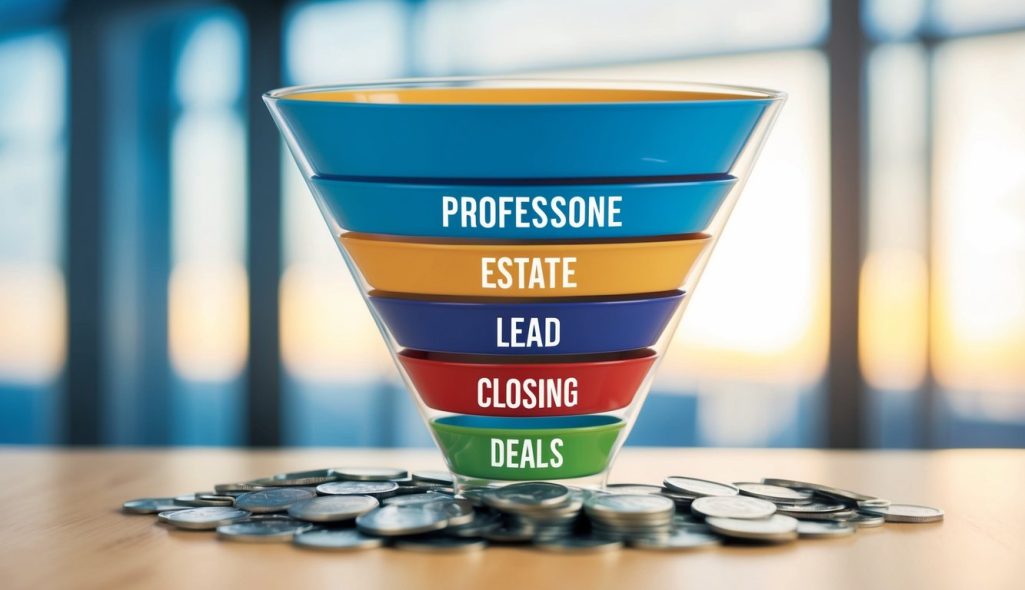
To start, you must create awareness about your real estate offerings. This involves identifying and reaching out to your target audience. You can do this through social media, email campaigns, or open house events.
Once you’ve captured their interest, nurturing these leads becomes essential. This step involves maintaining regular contact and providing useful information that addresses their needs and concerns.

Ultimately, your goal is to convert interest into action. Successful conversion means transforming curious inquiries into signed contracts. To achieve this, guide your prospects through each stage of the sales funnel with personalized attention and tailored solutions. By honing this process, you enhance your ability to close deals effectively and foster long-lasting client relationships.
Key Takeaways
- Real estate sales funnels guide leads from awareness to conversion.
- Engaging prospects requires tailored communication and solutions.
- Conversion success relies on structured and strategic funnel management.
Understanding Real Estate Sales Funnels
Real estate sales funnels are crucial tools that guide potential clients through different stages of the buying journey. They help convert initial interest into completed deals by effectively managing leads and interactions.
Fundamentals of a Sales Funnel
A sales funnel typically consists of several stages: awareness, interest, decision, and action. Each stage plays a vital role in guiding potential clients from initial awareness to becoming a loyal customer.
In the awareness stage, your goal is to capture attention. This can be done through online ads, social media, or engaging content on your website.
Next is the interest stage. Here, you nurture leads by providing valuable information, such as property listings and market insights, to spark curiosity and deeper engagement.

The decision stage is where you present options and negotiate terms. Clients weigh their choices and consider your offers based on the information provided in previous stages.
Finally, the action stage is about closing the deal. Effective communication and addressing any last-minute concerns ensure a smooth transaction.
Importance in Real Estate
Sales funnels are essential in real estate due to the intricate buying process. They systematically manage client interactions, making it easier for agents to track progress and maintain relationships.
A well-defined funnel enhances lead management and increases conversion rates. By knowing where leads are in the funnel, you can tailor your approach to meet their needs.
Real estate funnels also help in remarketing efforts. If a deal doesn’t close immediately, having a structured funnel allows agents to follow up with leads later, maintaining engagement over time. By employing a strategic funnel, you can ensure no potential client slips through the cracks, maximizing your chances of successful transactions.
Creating Awareness in Your Market
Building awareness in your market is essential for attracting potential clients and increasing brand recognition. A strong online presence, engaging social media content, and effective SEO strategies all play key roles in standing out and driving traffic.
Leveraging Online Presence
Your online presence is crucial in setting the stage for your real estate business. Start by creating a professional and user-friendly website. Ensure all information about your services, listings, and contact details is readily accessible.
Incorporate visuals like high-quality images and videos to engage visitors and improve user experience. Regular updates and blogs can keep your site active. Using tools such as Google Analytics helps monitor website traffic and understand visitor behavior, allowing for strategic improvements.
Utilizing Social Media Content
Social media platforms are powerful tools for building brand awareness. Use platforms like Instagram, Facebook, and LinkedIn to connect with your audience. Share content that shows your expertise, such as market trends, tips for homebuyers, and property showcases.
Engage with your followers through interactive posts, polls, and live videos. Collaborate with influencers or local businesses to expand your reach. Consistency is key; maintain a regular posting schedule to keep your audience engaged and informed.
Effective SEO Practices
SEO practices are vital to boosting your site’s visibility in search results. Start by identifying relevant keywords related to your market and incorporating them naturally into your website content.
Optimize your site’s structure, ensuring fast load times and mobile-friendliness. Create informative blog posts that include keywords and address the needs or questions of your target audience. Build backlinks by connecting with reputable sites in your industry to improve your search engine ranking.
Using these strategies can significantly enhance your brand awareness and draw more potential clients.
Attraction and Lead Generation Strategies
To grow your real estate business, attracting potential clients and generating leads is crucial. You can use various methods like content marketing, paid advertising, and high-value lead magnets to capture and convert potential clients efficiently.
Content Marketing
Content marketing is a powerful way to generate leads by providing valuable information to your audience. Create blog posts, videos, or infographics that answer common questions about real estate. By addressing topics such as “how to buy a home” or “real estate market trends,” you can drive organic traffic to your website.
This approach helps you build credibility and trust, positioning you as an expert in your field. Regularly update your content to keep it relevant and engaging. Consider using SEO strategies to ensure your content ranks well in search engine results, attracting more visitors and potential leads.
Paid Advertising Channels
Paid advertising can quickly boost your visibility and attract more leads. Platforms like Google Ads and Facebook Ads allow you to target specific demographics, ensuring your ads reach the right audience.
When creating campaigns, focus on clear, compelling messages and strong visuals to capture attention. Use targeted keywords and tailor your ads to different stages of the buying process. Monitor your campaigns regularly to optimize performance and adjust your budget to get the best return on your investment.
High-Value Lead Magnets
Lead magnets are tools that offer something of value to potential clients in exchange for their contact information. These can be free eBooks, webinars, or exclusive market reports that appeal to your target audience. For example, a detailed guide on navigating the local housing market can attract home buyers.
Incorporate lead generation strategies like high-value offers to quickly grow your contact list. Make sure these lead magnets address specific needs or pain points to increase their effectiveness. Use these tools to nurture relationships and guide leads through your sales funnel.
Engaging and Nurturing Leads
To effectively turn potential clients into qualified leads, you should focus on personalized communication and strategic follow-ups. By using tools like email marketing campaigns and CRM systems, you can build and maintain strong relationships with leads throughout the sales process.
Email Marketing Campaigns
Email marketing campaigns are a powerful tool in nurturing real estate leads. You can use these campaigns to provide valuable content, updates on properties, and market trends. Segment your email list based on factors like interest areas or previous interactions to ensure that your messages are relevant and engaging. This approach helps in maintaining the interest of your leads while moving them closer to making decisions.
Incorporating a mix of informational content and direct calls-to-action can be effective. Consider a format where you highlight new listings, include client testimonials, or offer insights about the real estate market in specific areas. The key is to stay consistent while making each email valuable.
CRM Systems
A Customer Relationship Management (CRM) system is essential for managing and nurturing leads. These systems help you organize contacts, track interactions, and schedule follow-ups. By keeping information in one place, you ensure timely and effective communication with each lead.
CRM systems also allow you to analyze data to identify which strategies are most effective. This analysis can lead to improved engagement methods. Automating routine tasks within a CRM can free up your time to focus on more personalized and meaningful interactions with potential clients.
Personalized Follow-Ups
Personalized follow-ups are crucial in engaging leads effectively. After initial contact, tailor your communication based on their specific interests and needs. Whether through phone calls, emails, or text messages, maintaining a personal touch makes a big difference.
Clients appreciate when you remember details about previous conversations or when you suggest properties that truly match their criteria.
This personal approach can involve sending customized property suggestions or updates on market changes that match their interests. Utilizing CRM data can help you make each interaction more meaningful and targeted, increasing the chances of building strong client relationships.
Converting Interests into Actions
To turn potential customers into actual clients, focus on creating effective landing pages, utilizing squeeze page funnels, and implementing lead scoring. These strategies help in moving interested prospects closer to making a purchase.
Creating Effective Landing Pages
A well-designed landing page is essential to capture and convert visitors. Focus on clear headlines that convey your unique value. Use compelling images that resonate with your audience.
Include a strong call to action (CTA) that guides visitors on what to do next. For example, “Schedule a Viewing” or “Get a Free Consultation.”
Testimonials and reviews can boost credibility. Highlight any special offers or limited-time deals to create urgency.
Utilize bullet points to make information easily digestible. Ensure the page is mobile-friendly to accommodate users on different devices.
Utilizing Squeeze Page Funnels
A squeeze page funnel is designed to capture lead information by offering something in return. Common items include free e-books or reports.
Start with an impactful headline that grabs attention. The offer should be valuable enough for visitors to share their contact details.
Use minimal distractions; limit navigation options to keep focus on the offer. Highlight the benefits of filling out the form.
Make sure the form is short and straightforward. Too many fields can lead to drop-offs. Once you capture the lead, direct them to a thank you page that provides more information or next steps.
Lead Scoring and Prioritization
Lead scoring helps you evaluate the potential of each prospect by assigning them a score based on specific criteria. Set up a system where actions like visiting certain pages or downloading content add to their score.
This helps in prioritizing high-interest leads. Focus efforts on those who show genuine interest or are ready to make a decision.
Create a tiered system that categorizes leads as hot, warm, or cold based on their scores. This method ensures that your time and resources are used wisely.
Implement automated tools to track and update these scores efficiently. This approach not only streamlines your follow-up process but also boosts your conversion rates.
Closing the Deal
In real estate, closing the deal requires strong negotiation skills, effective sales forecasting, and a solid sales pitch. These elements ensure successful transactions that can turn potential leads into clients.
Negotiation Skills for Real Estate Agents
Negotiation is key when closing deals in real estate. As an agent, you need to prepare by knowing the property details and market trends. This helps in presenting strong arguments in negotiations.
Understanding client needs is essential. Listen actively to grasp their priorities. This will guide your negotiation strategy, helping you counter objections and offer solutions that align with their interests.
Building rapport with the other party fosters trust. A positive relationship makes it easier to reach agreements. Use techniques such as mirroring body language and maintaining eye contact to strengthen this connection.
Sales Forecasting Techniques
Accurate sales forecasting is crucial for planning and closing deals. Start by analyzing past sales data and market conditions. Identifying patterns helps you predict future sales more reliably.
Use quantitative methods like trend analysis and moving averages to enhance your forecasts. These techniques offer a mathematical approach to understanding potential sales outcomes.
Incorporate technology to improve accuracy. Tools like CRM systems offer data-driven insights, allowing for better forecasting. Staying informed about market changes ensures your projections remain relevant and timely.
Strengthening Sales Pitch
A strong sales pitch is vital for closing deals. Start by identifying your client’s needs and how the property meets those needs. Tailoring your pitch to highlight these benefits can make your offer more compelling.
Focus on the property’s unique selling points. Use data and visuals, such as photos or graphs, to support your claims. Demonstrating value through evidence strengthens your position.
Practice your delivery to ensure clarity and confidence. Being well-prepared helps you address client concerns effectively. Adjusting your pitch based on feedback during the conversation shows that you are attentive and adaptable.
Post-Close Strategies and Retention
To ensure ongoing success in real estate, focus on maintaining and strengthening relationships with past clients. This involves building trust and loyalty through consistent communication and offering valuable incentives for referrals.
Cultivating Client Relationships
Use a reliable customer relationship management (CRM) tool to keep in touch with past clients. This helps you organize and plan personalized communication efforts, which is crucial for maintaining strong connections.
By sending customized messages on important dates, like birthdays and anniversaries, you show clients they are remembered and valued.
Engage with clients on social media to keep the conversation going. Sharing updates, articles, or tips related to real estate can help keep you in their mind. This approach works especially well with first-time homebuyers who may need extra information about owning a home.
Referral Systems
Creating an effective referral program can be a great way to grow your business. Offer previous clients incentives for referring new buyers to you, such as gift cards or small discounts on future services. This makes them more likely to recommend your services to friends and family.
Make referrals easy by providing clients with business cards or digital referral links. Thank them promptly after they make a referral to reinforce positive behavior. A structured referral system ensures a steady flow of new clients without needing costly marketing efforts.
Post-Sale Communication
After a sale, keep the lines of communication open with your clients. Send regular newsletters or updates about market trends and tips for maintaining and enhancing their property’s value.
Organize annual check-ins to see how they are doing and offer any assistance they might need. Post-sale communication makes clients feel cared for, turning them into repeat customers and leading to possible referrals.
When clients see your dedication and the value you provide, they are more likely to reach out for future real estate needs. Personalized communication strengthens these ties, positioning you as their go-to expert for real estate advice and services.
Use Cases: Applying Sales Funnels in Various Real Estate Scenarios
Sales funnels can be a powerful tool in real estate, helping guide different types of clients through their buying journey. Whether targeting first-time buyers or experienced investors, a well-constructed funnel addresses unique needs and motivations at each stage.
Dealing with First-Time Buyers
When working with first-time buyers, patience and education are critical. These clients often need guidance to make informed decisions.
Your funnel should start with general information about the home-buying process.
Offer downloadable resources like checklists or guides. Hosting webinars or workshops can also provide value.
As trust builds, introduce specific property listings that match their budget and needs. Conclude with one-on-one consultations to address any final questions and make them feel confident about their purchase.
Marketing to Real Estate Investors
Real estate investors focus on numbers and potential returns. Your sales funnel should highlight data and analytics that prove the value of an investment.
Begin with market reports or case studies showing profitable trends in real estate.
Create engaging content like video walkthroughs of properties with high ROI potential. Offer webinars focused on investment strategies or financing options.
The final steps should include CTAs that prompt investors to schedule a consultation or access exclusive listings.
Targeting Upmarket Property Listings
For high-end properties, the focus is on exclusivity and personalization. The sales funnel starts with showcasing a property’s unique features through virtual tours or high-quality photography.
Provide potential buyers with an elegant brochure that outlines the luxury aspects of the home. Invite them to private viewings or events to experience the ambiance firsthand.
Maintain exclusivity by offering personalized consultations to discuss tailored buying options based on their specific desires.
Analyzing Performance and Improving Conversion
To enhance your real estate sales funnel, focus on testing different strategies and using data to improve how well you convert leads. Key tactics include A/B testing for fine-tuning, analyzing metrics to track success, and employing techniques to boost conversion rates.
A/B Testing for Optimization
A/B testing helps you find out which marketing strategies work best. By comparing two versions of a webpage or marketing email, you can see which one performs better in turning leads into clients.
Change one element at a time, like the call-to-action button or image.
Start with these steps:
- Identify the element to test.
- Split your audience randomly.
- Run the test for a set period.
Use A/B testing regularly to keep improving your funnel’s effectiveness. This practice helps you make informed decisions that can lead to better conversion rates and more efficient lead conversion efforts.
Analytics and Metrics for Real Estate
To truly optimize your sales funnel, use analytics to measure success. Key metrics include lead conversion rates, the time spent in each stage, and drop-off points where potential clients leave the funnel.
Implementing analytics tools can help track these metrics.
Key points to track:
- Source of leads
- Time in each funnel stage
- Conversion rates
Analyzing this data allows you to identify underperforming areas and refine your approach.
Conversion Rate Enhancement
Improving conversion rates involves making strategic changes to your funnel. Focus on personalizing communication to better engage leads.
Ideas to boost conversion:
- Personalize emails with client names.
- Use targeted content based on lead interests.
- Offer clear calls to action.
By continuously refining these strategies, you ensure potential clients smoothly transition through each stage, ultimately leading to successful transactions. As you refine your approach, monitor and analyze results for ongoing improvement.
Technological Tools for Modern Real Estate Sales
In today’s real estate market, technology plays a crucial role. Virtual tours and automation tools have become essential, offering efficiency and improved customer experiences. Advanced marketing platforms streamline communication and targeting.
Virtual Tours and Digital Showcases
Virtual tours are transforming property viewing. They allow potential buyers to explore homes from anywhere. This technology involves creating interactive, 360-degree views of properties.
Platforms like Matterport offer detailed virtual tours, enhancing the buyer’s experience.
These tools are especially useful for international clients who can’t physically visit a property. Digital showcases expand your audience reach and help you stand out in a crowded market. They save time for both agents and clients, leading to quicker sales decisions.
Automation Tools and CRMs
Automation tools, such as autoresponders, streamline communication. They send instant replies to inquiries, ensuring that you don’t miss potential leads. This quick response builds trust and keeps prospects engaged.
A customer relationship management (CRM) system is equally important. It helps you track interactions with clients and manage your sales funnel.
Solutions like Salesforce or HubSpot can help. With these, you can automate tasks, set reminders, and personalize communication, enhancing the overall customer experience.
Advanced Marketing Platforms
Advanced marketing platforms integrate multiple tools to enhance your strategy.
Using tools like ClickFunnels, you can create effective sales funnels that guide prospects through the buying process.
These platforms allow precise targeting through analytics and data-driven marketing. Email marketing tools further help by segmenting your audience and creating personalized campaigns. This level of detail ensures you reach the right audience with the right message, optimizing your conversion rates and boosting sales.
Frequently Asked Questions
In the world of real estate sales funnels, it is crucial to know how to build effective funnels, recognize their components, and understand the strategies for optimization. Content marketing plays a significant role, and evaluating the right metrics can enhance success.
How can I effectively create a real estate sales funnel?
To create an effective real estate sales funnel, focus on clearly defining your target audience.
Develop a step-by-step plan that includes generating leads, nurturing them, and eventually converting them into clients. Regularly refine your funnel based on performance analysis and client feedback for optimal results.
What are the key components of a successful real estate sales funnel?
A successful real estate sales funnel includes several key components: lead generation, lead nurturing, conversion strategies, and follow-up processes.
Each step should be structured to align with the buyer’s journey. Using these components strategically will establish a smooth path from initial interest to closing deals.
Can you provide examples of high-converting real estate funnel templates?
Examples of high-converting funnel templates often include clear call-to-actions, engaging content, and personalized follow-ups. These templates guide potential clients through the process efficiently.
Explore real-life examples for ideas on how successful funnels have converted leads into clients.
What strategies should be used to optimize a real estate sales funnel for better conversion?
Use data-driven insights to tweak your funnel. Test different approaches, like varying your lead magnet offers or adjusting email sequences to see what works best.
Implementing feedback from prospects can also refine your approach, leading to better conversion rates.
How important is content marketing in developing a real estate sales funnel?
Content marketing is crucial in developing a real estate sales funnel as it helps establish trust and authority.
By providing valuable information and answering frequently asked questions, you position yourself as a knowledgeable professional. This can attract leads and guide them through the funnel effectively.
What metrics are most critical for evaluating the performance of real estate sales funnels?
Key metrics include lead conversion rates, the average time it takes to convert a lead, the cost per lead, and return on investment. Monitoring these metrics provides a clear picture of your funnel’s effectiveness and areas that may need improvement.


