

Understanding affiliate marketing sales funnels is crucial if you want to maximize your online earnings. These funnels are designed to guide potential customers through the buying process from start to finish.
A well-constructed affiliate marketing sales funnel not only boosts conversions but also builds trust with your audience by nurturing leads until they are ready to purchase.
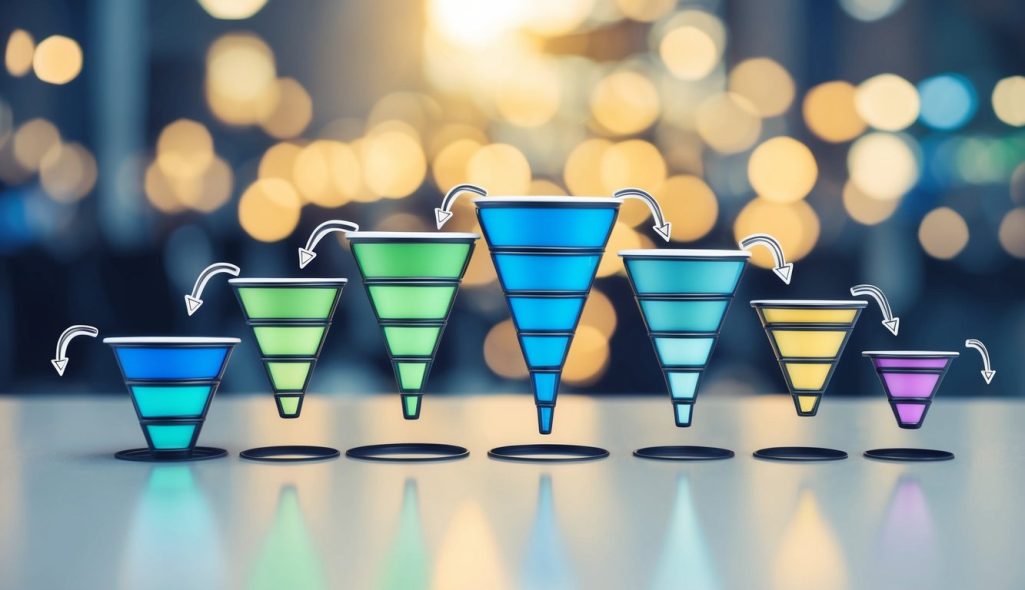
By using an effective funnel, you can communicate with your audience at each stage of their buying journey. This includes creating awareness, engaging prospects, and converting them into loyal customers.
You’ll also learn how to optimize each step to ensure a smooth and rewarding experience for both you and your audience.
In this post, we will explore how to set up an affiliate marketing sales funnel, the key components involved, and strategies for improving conversion rates. Whether you are a seasoned marketer or just starting, mastering these steps can significantly impact your revenue.
Key Takeaways
- Sales funnels guide customers from awareness to purchase.
- Optimize funnel steps to boost conversions and trust.
- Effective funnels impact revenue and audience satisfaction.
The Fundamentals of Affiliate Marketing
Affiliate marketing involves promoting products or services online and earning a commission on sales. You join an affiliate program, choose affiliate products to promote, and guide potential customers through your unique links.
Understanding Affiliate Marketing
Affiliate marketing is a performance-based approach. You partner with companies to promote their products, earning a commission for each sale or lead generated through your efforts. This form of marketing is popular because it allows you to earn passive income and scale your efforts.
To get started, join an affiliate program. Many companies offer these programs, making it easy to find products or services that align with your interests. Once you join, you’ll receive unique links to share with your audience.

How Affiliate Marketing Works
In affiliate marketing, you promote products through blogs, social media, or other platforms. When someone clicks your link and makes a purchase, you earn a commission.
This process involves several key steps:
- Join an Affiliate Program: Sign up for programs that match your niche.
- Choose Products: Select affiliate products relevant to your audience.
- Promote Links: Share your affiliate links online through content, reviews, or ads.
- Earn Commissions: Track sales or leads and receive payments based on performance.
The Role of An Affiliate
As an affiliate, your primary job is to attract and convert potential customers. You must know your audience well, matching their needs with the right products.
Creating high-quality content is essential. Whether through blog posts, videos, or newsletters, your content should effectively communicate the benefits of the products.
Engaging your audience with valuable information can increase trust, leading to higher conversion rates.
Tracking your efforts with analytics helps you refine your approach. Monitor which strategies are most effective and adjust your tactics to maximize your earnings.
Balancing creativity with data-driven strategies will make you a successful affiliate in the competitive landscape.
Components of an Affiliate Marketing Sales Funnel
To optimize your affiliate marketing sales funnel, focus on crafting effective landing pages, sales pages, and follow-up strategies. Key components include capturing leads with compelling offers and ensuring a seamless flow from initial contact to conversion.
Landing Pages and Their Importance
The landing page is your first contact with potential customers. It should be clear, focused, and designed to grab attention.
Your landing page needs to convey the benefits of your product or service effectively. A strong headline and concise message are crucial here.
Use visuals to enhance your message, but avoid clutter. Navigation should be simple to prevent users from getting distracted.
Include a call-to-action (CTA) that encourages visitors to proceed to the next step in your funnel.
The landing page’s goal is to convert visitors into leads or customers right from the start. By focusing on these aspects, you maximize your chances of moving prospects further down your sales funnel.
Effective Sales Pages
Sales pages are where you make your direct sales pitch. These pages need to present your product’s features and benefits in a compelling manner.
Highlight the unique value of what you are offering and address the pain points of your audience.
Use testimonials, reviews, and case studies to build trust. Break down information into short paragraphs and use bullet points to make it easier to digest.
Ensure your sales page has a prominent CTA to guide visitors toward making a purchase.
Consistent messaging from the initial interaction on the landing page to the sales page is vital. This continuity ensures your potential customer remains engaged and informed.
Creating a Compelling Lead Magnet
A lead magnet is something you offer for free to get contact details like an email address. It should be valuable enough for someone to want to exchange their information for it. Examples include ebooks, checklists, or exclusive guides.
Identify what your target audience finds valuable. Make sure your lead magnet solves a problem or provides immediate benefit.
Present your offer clearly on the landing page, ensuring that the CTA to download or receive the lead magnet is easy to follow.
Once you have their contact information, you can further engage with potential customers through your sales funnel and work towards conversion.
Thank You Pages and Follow-Up
Once a visitor converts on your landing page, take them to a thank you page. This page confirms that their action was successful and can provide further instructions or next steps.
The thank you page can also include links to related content or additional offers. This keeps engagement high and introduces them to other products or services you offer.
Follow-ups are crucial in maintaining the connection you’ve established. Use emails to provide value, foster trust, and encourage continued interaction.
A well-planned follow-up sequence can nurture leads and guide them towards becoming long-term customers.
The Buyer’s Journey in Affiliate Marketing
In affiliate marketing, guiding potential customers through their journey is crucial. Each stage requires specific strategies to effectively engage and convert the audience.
Awareness Stage
At the awareness stage, your goal is to capture the attention of your target audience. This is where they first learn about the product or service in question.
Use informative content to highlight the product’s strengths and benefits.
Blog posts, social media content, and banner ads can all be effective ways to raise awareness. It’s important to focus on creating memorable first impressions. By focusing on audience needs and problems, you increase the chance they’ll seek more information later.
Interest and Desire Stages
Once your audience is aware of the product, the next steps are nurturing their interest and sparking desire. Your role here is to provide value and make the product appealing.
Use engaging emails, detailed product descriptions, and demonstration videos to showcase features.
Highlight how the product meets their needs or solves their problems. Well-crafted storytelling can effectively build interest and desire by helping potential customers envision themselves with the product.
Action Stage
The action stage is where the potential customer is ready to make a purchase. It’s crucial to provide a smooth and seamless experience.
Encourage them by offering clear calls to action, easy-to-navigate landing pages, and irresistible offers or discounts.
Transparency and simplicity are key. Ensure all relevant information is accessible, and minimize steps needed to purchase.
Small details like these can significantly boost conversion rates.
Retention and Advocacy
After a purchase, focus shifts to retaining customers and turning them into advocates.
Keep them engaged with follow-up emails, exclusive offers, or loyalty programs.
Satisfied customers are more likely to recommend the product to others. Encourage reviews and testimonials, as these can further build trust with new audiences.
Building strong relationships can result in repeat business and enthusiastic recommendations, expanding your reach.
Optimizing for Higher Conversion Rates
Increasing conversion rates is crucial in affiliate marketing sales funnels. You can achieve this by focusing on conversion rate optimization techniques, conducting tests, using testimonials, and creating effective call-to-action elements.
Conversion Rate Optimization
Conversion Rate Optimization involves improving your website or landing page to turn more visitors into customers.
By closely analyzing user data, you can identify which areas need improvement. This might include enhancing page load speeds, simplifying navigation, or refining your content to make it more engaging and relevant.
Using analytics tools can help track visitor behavior. These insights allow you to make informed adjustments that cater to your audience’s preferences.
Additionally, ensuring your site is mobile-friendly is essential since many users browse and make purchases on their phones.
A/B and Split Testing
A/B and Split Testing are essential techniques for understanding what works best for your audience.
A/B testing involves comparing two versions of a webpage or element to see which performs better. For example, you might test different headlines, images, or buttons.
Split testing, while similar, often involves testing entirely different versions of a webpage. This technique is useful when you want to compare significant changes.
By continuously testing and tweaking elements, you can discover which versions lead to higher conversions.
Impact of Testimonials and Social Proof
Testimonials and social proof play a vital role in building trust with your audience. When potential customers see others endorsing your product or service, they are more likely to make a purchase.
Highlight positive customer reviews and ratings on your landing pages to leverage this effect.
Including real stories and detailed feedback from satisfied customers can further strengthen credibility.
Social proof can also include displaying follower counts or engagement metrics from social media platforms, reinforcing the popularity and reliability of your offerings.
Call-to-Action Elements
Call-to-action (CTA) elements are crucial for guiding users toward making a purchase.
An effective CTA is clear, compelling, and placed strategically on your page. Use action-oriented language, such as “Buy Now” or “Get Started,” to prompt immediate action.
Design also matters; make your CTA button stand out with contrasting colors and large fonts.
Consider placing multiple CTAs throughout the page but ensure they don’t overwhelm the user.
Testing different CTA variations can reveal what resonates best with your audience, leading to improved conversion rates.
Leveraging Various Marketing Efforts
To maximize your affiliate marketing success, you need to integrate different marketing strategies. By effectively using content, email, social media, and paid traffic, you can connect with your audience and enhance your results.
Content Marketing Strategies
Content marketing involves creating valuable materials to engage your audience.
Start by identifying topics that resonate with your target market. This can include informative blog posts, how-to guides, or product reviews.
These materials should aim to solve problems or answer questions, establishing trust and authority.
Consistency is key in content marketing. Regularly updating your content library keeps your audience engaged and returning for more.
Optimize your content for search engines by using relevant keywords to improve visibility and reach. By doing so, you’ll attract more organic traffic and increase potential conversions.
Email Marketing and List Building
Building an email list is essential for maintaining direct communication with your audience.
Use lead magnets like e-books or exclusive offers to encourage sign-ups. As your list grows, segment it based on interests or behaviors for personalized communication.
Crafting compelling email campaigns requires understanding your audience’s preferences.
Send newsletters with valuable content, promotions, or updates to keep subscribers engaged.
Monitor open and click-through rates to refine your strategies and improve results. An effective email strategy can significantly boost your conversions.
Social Media Marketing
Social media marketing enables direct interaction with your audience.
Choose platforms where your target demographic is most active, whether it’s Instagram, Facebook, or Twitter.
Share content that aligns with your brand and engages users, such as behind-the-scenes looks, user-generated content, or live Q&A sessions.
Use hashtags and tagging to expand your reach and gain new followers.
Engage with your audience by responding to comments and messages quickly. This builds community and trust.
Regularly track your metrics to understand which types of content perform best and adjust your strategy accordingly.
Paid Traffic Acquisition
Investing in paid traffic through platforms like Google Ads or Facebook Ads can quickly boost your reach. Start by setting a clear goal for your campaigns, such as increasing website visits or conversion rates. Then, design clear, engaging ads that capture attention and drive action.
To ensure budget efficiency, use targeting options to reach specific demographics, interests, or behaviors that align with your audience.
Regularly monitor your ads’ performance and tweak your strategies based on data. Testing different approaches helps optimize your results and maximize return on investment.
Tools and Platforms for Affiliates
To succeed in affiliate marketing, having the right tools and platforms is crucial.
Affiliate Networks and Programs
Affiliate networks help connect you with various affiliate programs. These networks streamline the process of finding partnerships and tracking commissions.
Popular affiliate networks include Amazon Associates, ShareASale, and ClickBank, each offering a range of products and services.
Amazon Associates provides a wide variety of products you can promote on your site or social media platforms. Meanwhile, ShareASale is known for its user-friendly interface and diverse merchant options. Lastly, ClickBank focuses on digital products, making it ideal for promoting e-books and online courses.
Funnel Building Software
Sales funnels are essential for guiding your audience through the buying process. Tools like ClickFunnels and Builderall allow you to create customized funnels that boost conversions.
ClickFunnels offers drag-and-drop funnel building capabilities, which makes it easy to design landing and sales pages. Its integrations with email marketing and payment systems enhance functionality.
On the other hand, Builderall is praised for being an all-in-one platform, featuring not only funnel-building tools but also email marketing and website creation.
Analytics and Tracking Platforms
Analyzing data is critical for refining your marketing efforts. Tools like Scaleo offer advanced tracking features that help you monitor traffic, conversions, and ROI.
With platforms like Google Analytics, you can track website visitor behavior, discover which sources drive the most traffic, and improve your marketing strategies.
In addition, platforms like Unbounce and Convertri help you test landing pages and track conversions, ensuring that you make data-driven decisions for your campaigns.
Scaling and Advancing Your Affiliate Funnel
To elevate your affiliate sales funnel, focus on strategies for increasing revenue and ensuring customer loyalty.
Mastering Upsells and Backend Offers
Upsells can significantly boost your revenue. Encourage customers to purchase additional products or services related to their initial purchase. For example, if you’re promoting online courses, offer advanced modules or exclusive content as an upsell. This strategy maximizes the value of each sale.
Backend offers also play an essential role. These are complementary products introduced after the initial sale. They help increase lifetime value, keeping customers engaged longer and increasing profits. Use targeted email campaigns to present these offers.
Strategies for Repeat Customers
Retaining customers is cheaper than acquiring new ones. Build strong relationships by providing excellent customer service and responding promptly to queries. Consistency in communication helps keep your brand in their minds.
Incorporate loyalty programs that provide incentives for repeat purchases. Discounts or early access to new products work well.
You can also use personalized offers based on previous purchases to make customers feel valued and more likely to return. Engaging content through newsletters or social media keeps them interested.
Growing the Customer Base with Quality Content
To expand your customer base, focus on generating high-quality content. Start by understanding your audience’s needs. Producing relevant and helpful material attracts more visitors and potential leads.
Optimize your content for search engines to drive more organic traffic. This means using targeted keywords strategically and creating informative blog posts or videos.
Utilize platforms such as social media to reach a wider audience.
Best Practices and Ethical Considerations
Focusing on ethical considerations in affiliate marketing is key to building long-term success. Being transparent and following industry standards can enhance your authority and brand trust, ensuring your audience feels confident in your offerings.
Building Brand Trust
To foster brand trust, prioritize transparency and honesty. Always disclose affiliate relationships clearly. This transparency helps maintain credibility.
Use clear, straightforward language to explain how affiliate links work and how you might earn a commission. Being open builds trust with your audience.
Engage with your audience genuinely. Provide value beyond simply promoting products. Share knowledge, provide useful information, and ensure the products you recommend are relevant to your audience’s needs. This approach solidifies your role as a trusted advisor.
Compliance with Marketing Industry Standards
Compliance with industry standards ensures ethical practices. Adhering to guidelines is crucial for maintaining credibility.
Follow advertising rules and regulations, like clearly labelling sponsored content or using appropriate disclosures.
Align your practices with established marketing frameworks. This might include using ethical promotion techniques and respecting data privacy laws.
Keeping informed about regulatory changes and consistently applying them will reinforce your reputation and authority in the field.
Case Studies and Success Stories
Examining case studies can reveal effective strategies and highlight successful ethical practices. These stories offer real-world examples of how transparency and compliance lead to success.
They demonstrate how others have built authority and trust within their markets.
Use success stories to guide your own strategy. Study how reputable brands handle affiliate marketing. Let these examples inspire you to refine and improve your approach.
Monetization and Making Passive Income
To make passive income through affiliate marketing, it is essential to understand several strategies. You’ll explore different products, create sustainable recurring commissions, and diversify your income streams to maximize earnings effectively.
Exploring Different Affiliate Products
Choosing the right affiliate products is crucial for generating sales and maximizing your earnings. Focus on high-demand products that match your audience’s interests.
Popular categories include health, finance, and digital tools. Look for products with high customer satisfaction and positive reviews.
It’s important to check the commission structure. Some programs offer higher upfront commissions, while others provide ongoing payments. Consider both when selecting products to promote.
For instance, digital products or services often have higher commission rates compared to physical goods.
Staying informed about trending products or seasonal shifts can boost your sales. By continuously researching and testing, you can find profitable opportunities in affiliate marketing.
Creating Sustainable Recurring Commissions
To build a steady income stream, recurring commissions are vital. This involves promoting subscription-based products or services.
Choose programs that offer reliable and consistent recurring commissions. For example, software as a service (SaaS) and membership sites are excellent choices.
They often reward affiliates with ongoing payments, creating a more predictable income stream.
Make content that highlights the long-term value and benefits of these services. Work on building strong relationships with your audience by providing helpful content and support. This increases trust and the likelihood of conversions.
Diversifying Affiliate Income Streams
Diversification is key to sustaining and increasing your passive income. Relying on a single product or platform is risky.
Instead, work with multiple affiliate programs to expand your reach and buffer against market changes.
Variety also allows you to cater to different audience segments. Consider promoting a mix of digital products, physical goods, and services.
This approach can help maintain consistent sales and reduce dependency on any one source.
Utilize multiple channels for promotion, such as blogs, social media, and email marketing. Each channel offers unique opportunities and expands your audience base.
Diversifying not only enhances your earning potential but also adds stability to your passive income efforts.
Specialized Affiliate Funnel Types
When working with affiliate marketing, specialized funnels can help you effectively target and engage your audience. These funnels are crafted for specific purposes, like selling courses or capturing leads, to maximize conversions.
Course and Webinar Funnels
Course funnels and webinar funnels are powerful tools for presenting educational content.
If you’re promoting a course, you’ll likely use a funnel to showcase course benefits and content. This can include a series of emails or landing pages that outline the course structure, highlight key features, and offer pricing details.
Webinar funnels operate similarly. They aim to draw in attendees for live or recorded sessions that dive deeper into the course content.
You might offer mini-sessions, Q&A segments, or previews of lessons. These elements are designed to engage your audience, increase interest, and boost enrollments.
Book Funnels
Book funnels are ideal if you’re promoting written content, such as eBooks or guides.
They often start with a landing page that details the book’s main topics and benefits. It’s a good way to build credibility and audience trust.
Within the funnel, you can offer a free chapter or an attractive discount to encourage purchases.
The goal of a book funnel is to make potential buyers interested enough to take the next step—buying your book. You can also gather email addresses for further promotion.
Lead Magnet Funnels
Lead magnet funnels are focused on collecting contact information by offering something of value for free.
This could be an eBook, checklist, video tutorial, or any other resource that aligns with your audience’s interests.
The process starts with an opt-in page where visitors exchange their email information for your lead magnet.
Once you have their information, you can nurture these leads with targeted email campaigns. This approach helps you build your email list while providing useful content to your potential customers.
Building and Nurturing an Email Sequence
To create an effective email sequence, start by understanding your audience’s needs. Knowing their pain points helps tailor content that resonates.
Types of Sequences
- Nurture Sequences: Engage potential customers gradually over time.
- Sales Funnel Sequences: Guide prospects towards making a purchase decision, step by step.
Begin with a clear goal for your email sequence. Whether it’s onboarding or guiding users through a sales funnel, clarity ensures consistency.
Structure
- Linear Progression: Each email builds on the previous one, creating a cohesive journey.
- Flexible Timing: Emails can be triggered by user actions, enhancing personalization.
Key Components
- Subject Line: Craft irresistible, attention-grabbing subject lines.
- Opening Line: Hook readers with impactful opening statements.
- Content: Share relevant and valuable information that addresses the recipient’s needs.
Utilize personalization to make each email feel unique. Addressing recipients by name and using tailored content boosts engagement.
Leverage automation tools for consistent delivery and tracking. Email generators help maintain this process efficiently.
Always remember to include clear calls to action. Guide recipients towards what you want them to do next, like visiting a website or making a purchase.
Lastly, re-evaluate and refine your process regularly. Analyzing performance metrics lets you improve your strategy.
Traffic Sources and Their Impact
Traffic sources play a critical role in the success of your affiliate marketing sales funnel. They can be categorized as organic and paid, each impacting how effectively you reach your audience and turn prospects into customers. Understanding these can help you optimize your funnel for better performance.
Using Organic Traffic to Your Advantage
Organic traffic comes from unpaid sources like search engines and social media. It is sustainable and cost-effective, allowing you to grow your audience without significant financial investment.
Focusing on search engine optimization (SEO) can increase the visibility of your content, drawing more visitors to your site.
Social media engagement is another powerful way to attract organic traffic. Platforms like Instagram and Twitter can drive targeted visitors to your affiliate offers by sharing valuable content and engaging with your audience.
By creating a community around your brand, you can generate interest and foster trust, which often leads to higher conversion rates.
Navigating Paid Advertising and Squeeze Pages
Paid advertising involves directing traffic to your sales funnel through platforms like Google Ads or Facebook Ads. This approach requires a financial investment but can produce fast results by reaching a targeted audience.
With paid ads, you can experiment with different demographics to see what works best for your offers.
Squeeze pages are crucial in this context, capturing potential leads by offering them something valuable in exchange for their contact information. These pages should be clear and enticing, reducing friction in your funnel and improving conversion rates.
By leveraging both paid ads and effective squeeze pages, you can create a robust strategy that maximizes your investment and increases sales.
Performance Metrics and Continuous Improvement
To optimize your affiliate marketing funnel, focus on the right performance metrics. Paying attention to analytics and key performance indicators (KPIs) helps refine your approach. Tracking lead conversion metrics allows adjustments to ensure better results.
Understanding Analytics and KPIs
Analytics provide insights into how well your strategies perform. You gain a clear picture of user engagement by examining data such as click-through rates, bounce rates, and time on page. KPIs, like conversion rates and cost per acquisition, are vital. They help measure success and drive improvements.
You should rely on analytics to spot trends and problem areas. Tools like Google Analytics offer detailed reports, showing which aspects of your funnel need tweaks. A proactive approach based on these insights can significantly enhance your funnel’s effectiveness.
To keep things practical, select KPIs that align with your goals. Measure what counts and adjust your strategies to address any shortfalls. Tracking these metrics regularly helps maintain focus and open up opportunities for growth.
Implementing Lead Conversion Metrics
Lead conversion metrics are crucial for understanding how prospective customers move through your funnel stages. These metrics include metrics like conversion rate, which shows the percentage of visitors who complete a desired action, and lead-to-sale ratios that measure how many leads turn into sales.
You must monitor detailed conversion paths within your funnel. This can uncover stages where potential conversions drop off. By identifying these points, you can fine-tune your funnel design and messaging to improve retention and conversion rates.
Utilize performance metrics to pinpoint effective strategies and areas that need work. Specifically tailor any improvements to the behavior and preferences of your target audience. Regular assessment and adjustment based on these insights are key to continuous improvement in lead conversion.
Adapting to Changes in the Affiliate Marketing Landscape
In the digital marketplace, affiliate marketing is always changing. To remain ahead, you need to adapt to new trends and tools. Focus on embracing online marketing strategies that highlight personalization and efficiency.
Lead generation is crucial. By knowing your audience and applying the AIDA model (Attention, Interest, Desire, Action), you can create campaigns that guide potential customers through your affiliate sales funnels effectively.
- Attention: Capture interest with engaging content.
- Interest: Provide valuable information.
- Desire: Highlight benefits to create a want.
- Action: Include clear calls to action.
Innovative technology, like AI and blockchain, can improve tracking and transparency in your strategies. These tools help you make informed decisions and better understand your audience.
Regularly assess the effectiveness of your affiliate sales funnels, and be prepared to adjust tactics. Flexibility ensures you stay competitive and ready to face challenges in the dynamic world of affiliate marketing.
Frequently Asked Questions
Creating a sales funnel for affiliate marketing can guide prospects from awareness to purchase, enhancing your commissions. Using tools and strategies helps improve conversion rates and integrate affiliate products effectively.
How can I effectively design a sales funnel for affiliate marketing?
To design an effective sales funnel, start by targeting your audience clearly. Understand their needs and interests. Use compelling content at each stage of the funnel to keep them engaged. Focus on building a strong landing page that highlights the benefits of the products you are promoting.
What are examples of successful affiliate marketing sales funnels?
Successful funnels often use lead magnets, such as free ebooks, to capture emails. Once you have their contact info, nurture prospects with helpful email sequences. Highlighting testimonials and case studies on your product pages can also boost trust and conversions.
Are there any free tools available for creating affiliate marketing sales funnels?
Yes, there are free tools like Mailchimp for email marketing, and Google Analytics for tracking funnel performance. You can also use platforms like ClickBank which offer built-in tools to create and manage sales funnels effectively.
What strategies should be used to optimize affiliate marketing sales funnels for higher conversions?
To optimize your funnel, constantly test and refine your approach. Use A/B testing to compare different versions of your pages and emails. Optimize the funnel by analyzing conversion data to find out what’s working and what needs improvement. Keep the customer’s journey as smooth and straightforward as possible.
How do sales funnels contribute to the success of an affiliate marketing campaign?
Sales funnels play a crucial role in turning leads into buyers. By guiding prospects step-by-step, they help build trust and address any objections along the way. This systematic journey increases the likelihood of sales, directly impacting your earnings as an affiliate.
What are the best practices for integrating products from the Amazon Affiliate Program into my sales funnel?
Use Amazon Affiliate links strategically within your funnel to recommend products naturally. Create content that aligns with your product offerings, like tutorials or reviews.
Always disclose your affiliate partnerships to maintain transparency with your audience and follow Amazon’s affiliate agreement guidelines.


